

Gynecomastia Correction
Gynecomastia correction eases the complex and creates a firm male chest line.
Procedure information
From surgery time to recovery, see the gynecomastia surgery schedule at a glance.

Surgery time
30 minutes to 1 hour
Anesthesia
Sedation

Hospitalization
Not required

Stitch removal
Not required

Follow-up visits
1-2 visits

Recovery period
After 1-2 weeks
Ruby Gynecomastia Correction
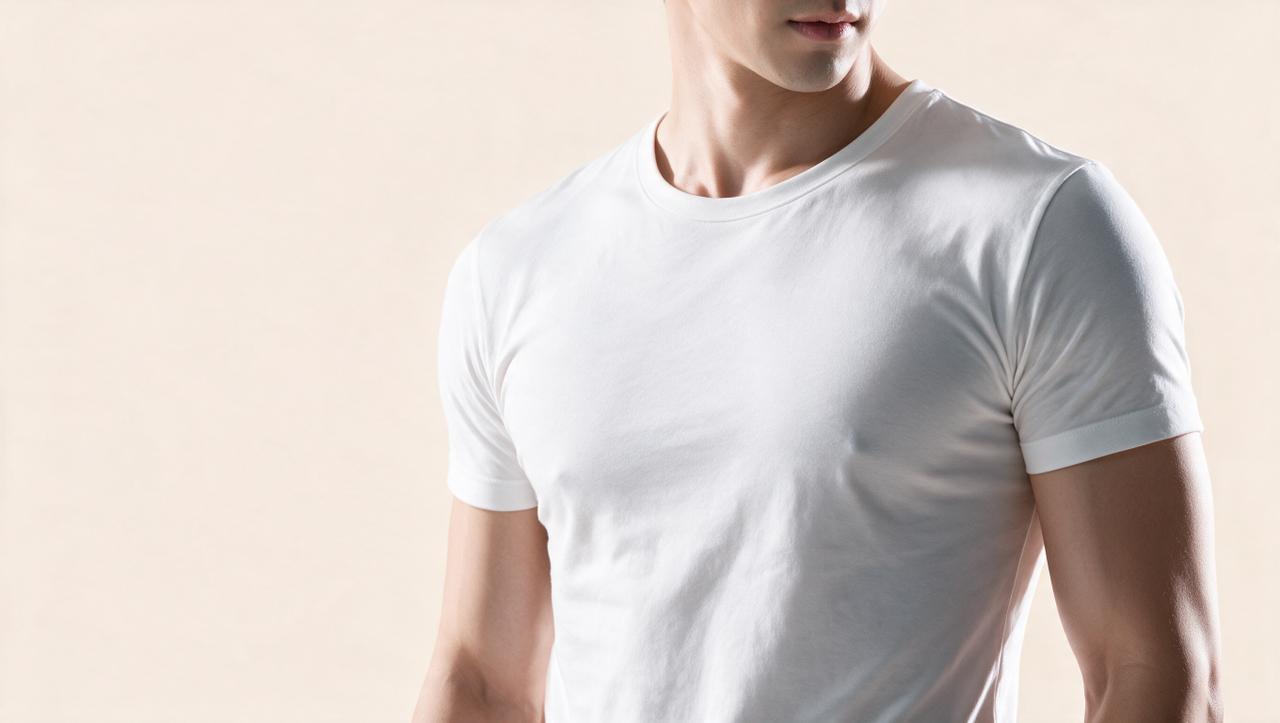
We surgically correct a man's chest that has enlarged like a woman's breast due to glandular tissue growth or fat buildup.
Glands and fat
Sensitive glandular tissue and excess chest fat are the usual causes.

Other causes
Hormone or endocrine abnormalities and metabolic diseases can also be causes.

Looks and stress
It can cause cosmetic problems and severe mental stress.
Gynecomastia surgery at Ruby Plastic Surgery
From a self-conscious chest to a firm, masculine chest~
POINT 01
A firm, masculine chest
Instead of simply removing glandular tissue, we provide a firm male chest through a surgical method suited to each person.

POINT 02
Surgery performed directly by an experienced medical team
More accurate and finer surgery than conventional surgery is possible, which raises satisfaction.

POINT 03
Minimized surgical scars and swelling
With minimal micro-incisions, scars are hard to notice.

Why should I have gynecomastia correction?
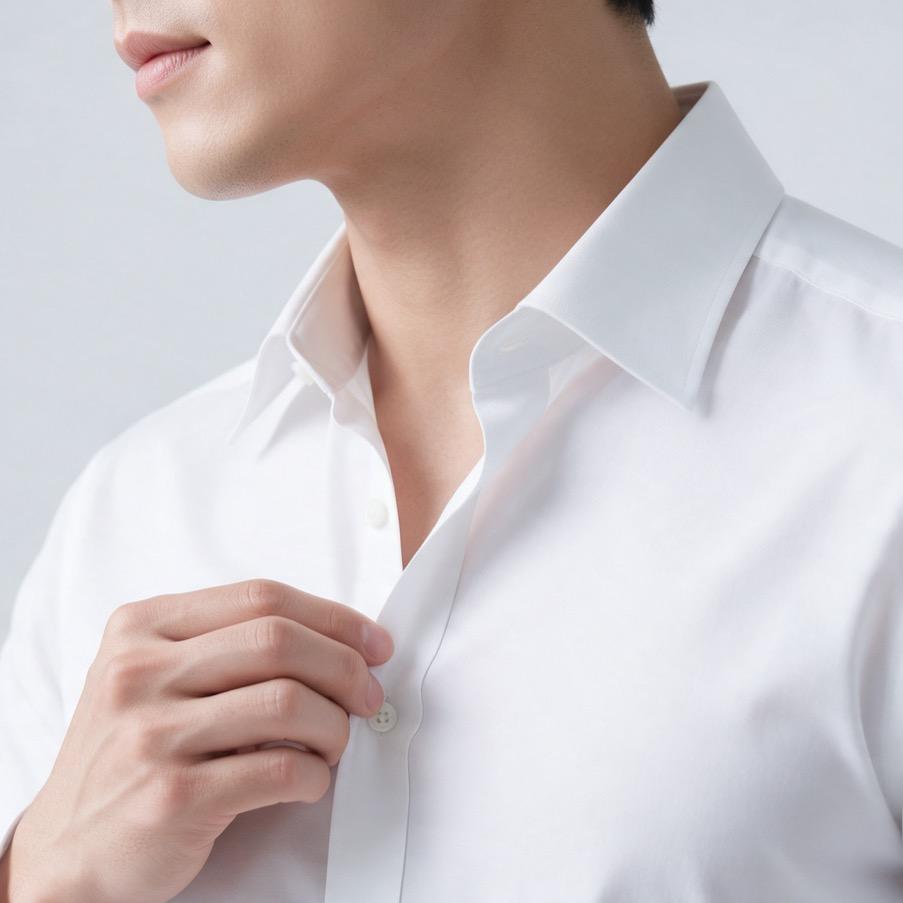
Even if left alone, gynecomastia does not necessarily cause health problems, but it can cause severe psychological stress because of cosmetic concerns, so correction is recommended.
For gynecoid breasts, the surgical method differs depending on how much glandular tissue has developed in each person, so it is important to have surgery after sufficient consultation with a specialist. At Ruby, we do not simply remove glandular tissue; we provide a firm male chest through a surgical method suited to each person.
Gynecomastia self-check
Check the list below to see whether you might have gynecomastia.
A round chest you can grasp
When the chest protrudes enough to be grasped by hand and forms a generally round shape
Large nipple and areola
When the nipple and areola are larger than normal (nipple 6 mm or more, areola 30 mm or more)
Nipple that sinks when pressed
When the nipple feels like it sinks in when pressed
Pointed, protruding nipple
When the nipple area protrudes in a pointed way
Puffy areola area
When the areola and surrounding area feel strongly rounded overall
What causes gynecomastia?
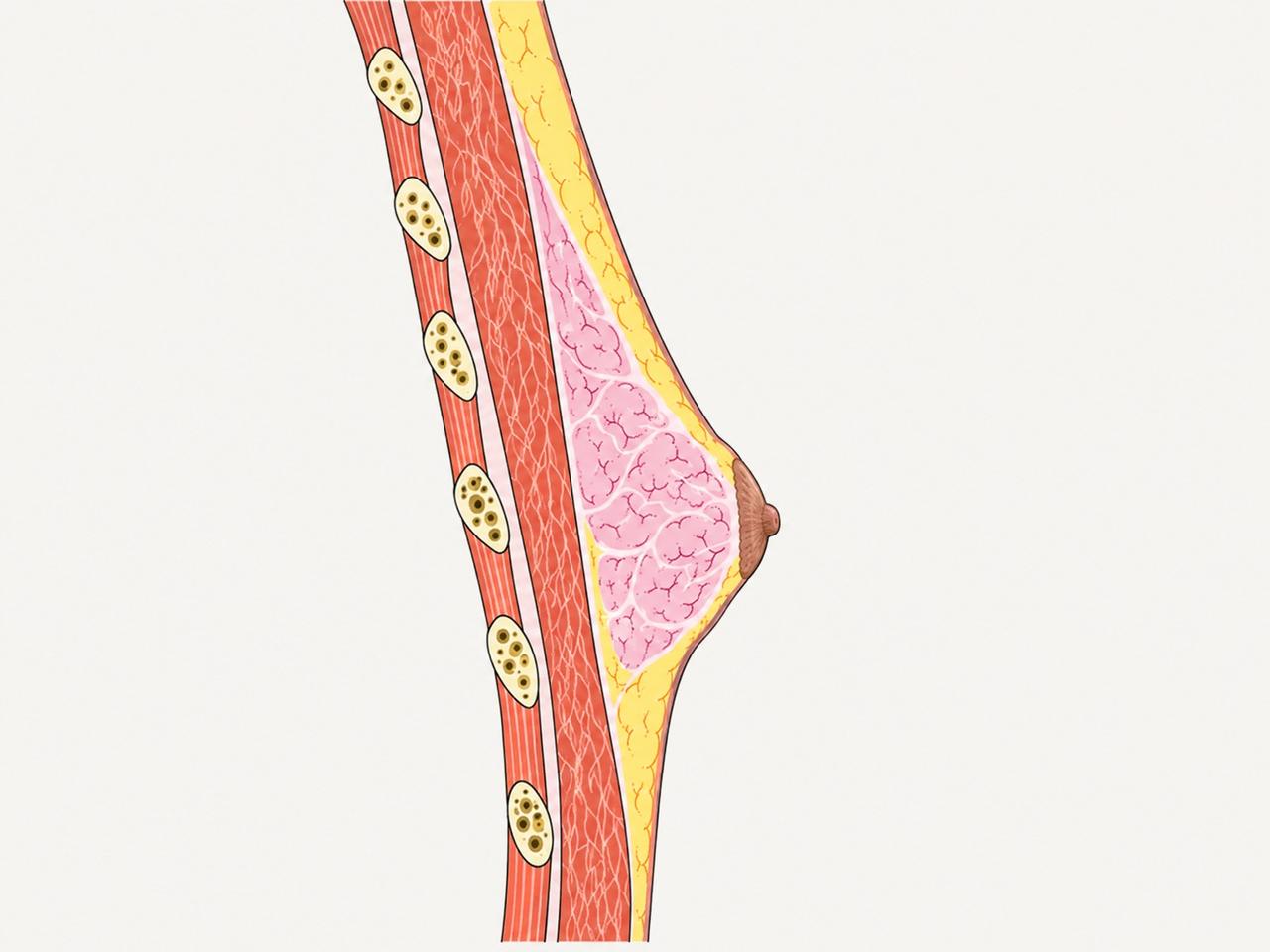
Illustrations adapted from Servier Medical Art (CC BY 4.0).
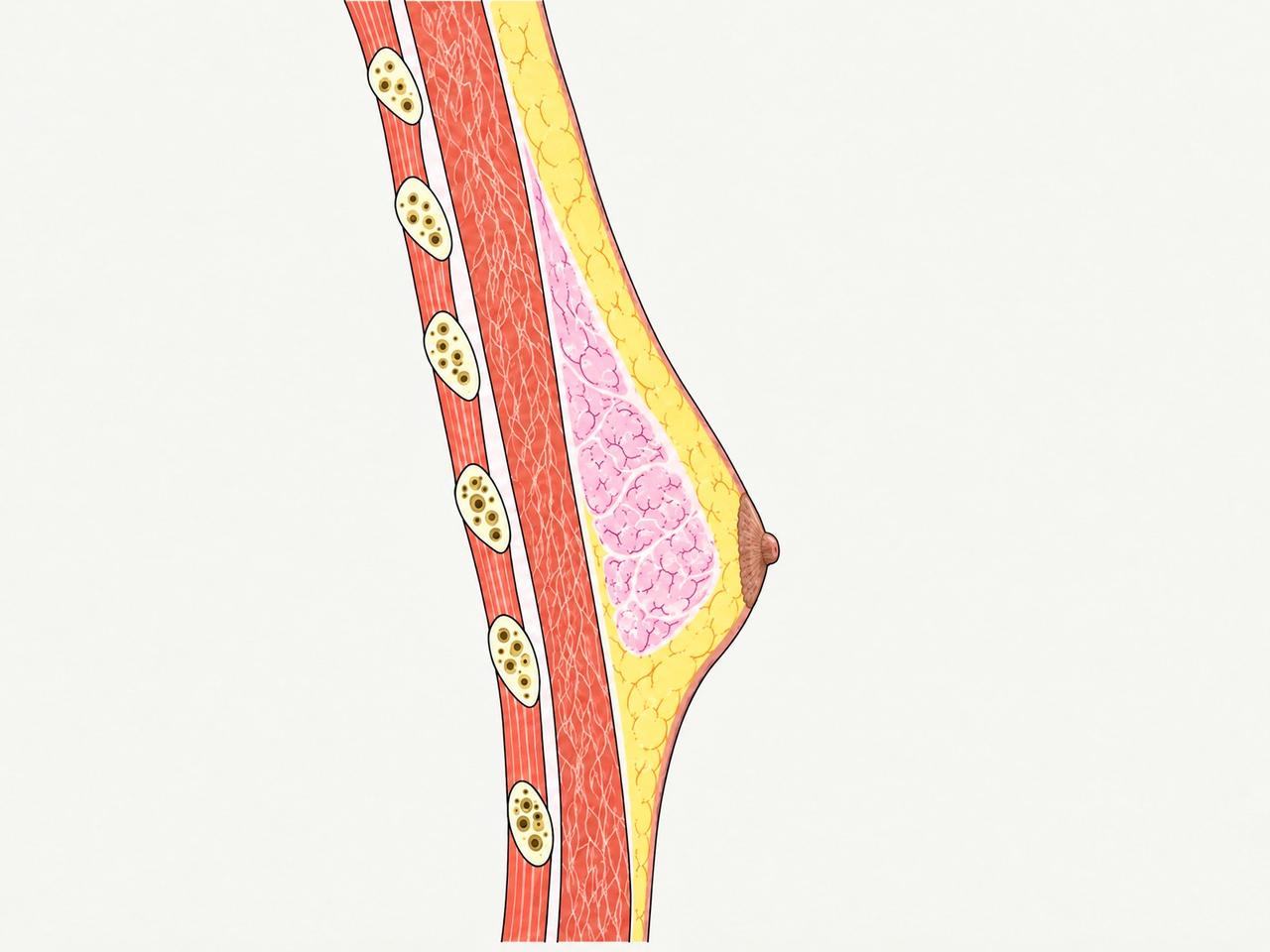
Increased female hormones
Gynecomastia, in which a man develops breasts like a woman, occurs mainly in puberty when female hormones increase because of an imbalance of hormones such as estrogen and androgen.
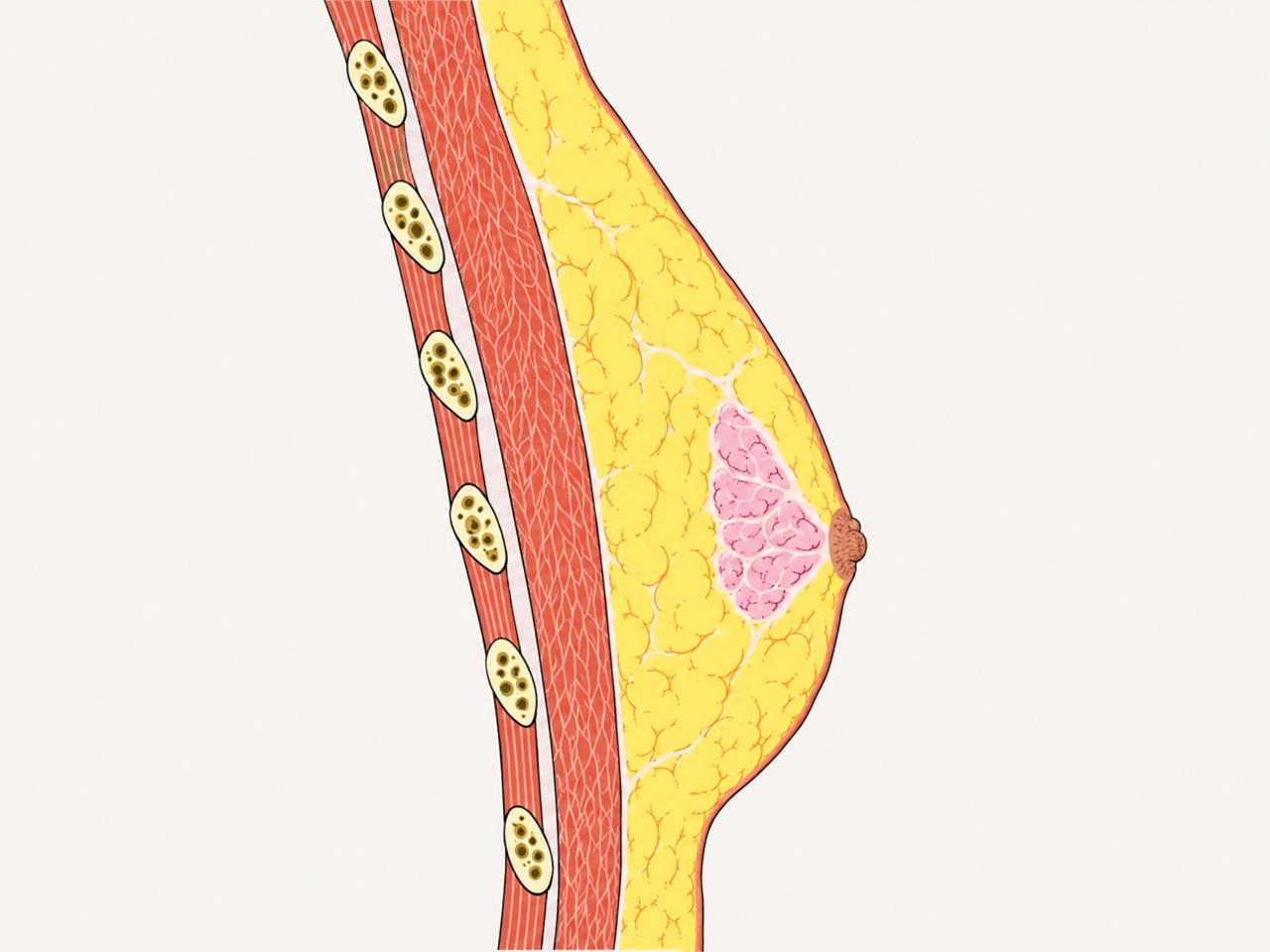
Aging
With age, skin elasticity naturally declines and the chest sags downward. Some people had no gynecomastia when young but develop chest volume as they age and gain weight and the skin sags, so obesity and aging can cause gynecomastia.
Overweight
In obese men, fat accumulates in areas such as the abdomen and chest, which can create volume in the chest.
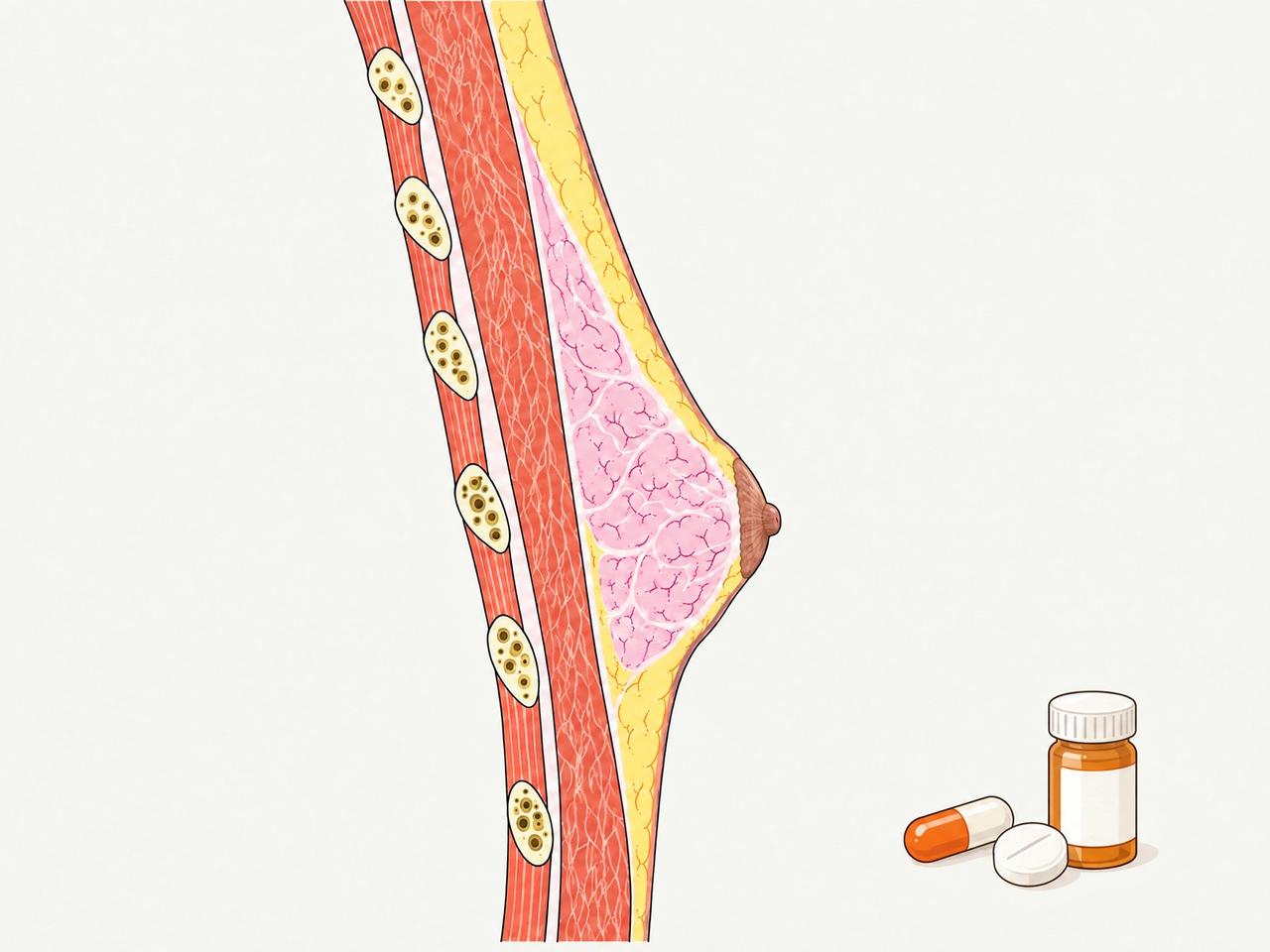
Other conditions
Medication use (peptic ulcer drugs, sedatives, antihypertensives, etc.), liver disease, and testicular and adrenal tumors can also be causes.
Gynecomastia surgery process
Fat is suctioned with a thin cannula through an incision of about 0.5cm (5mm) in the armpit or under the breast. If glandular tissue is well developed, gland removal is done as well. The incision site and size may vary with each patient's condition and the surgical method.
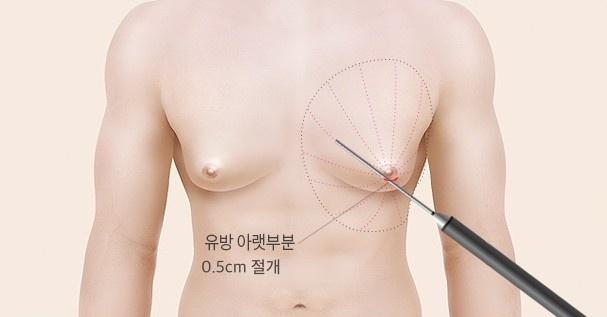
Fat tissue suction
After making an incision of about 0.5cm (5mm) in the armpit or under the breast, tumescent solution is injected, the fat layer is separated with a dual laser, and the fat tissue is suctioned.
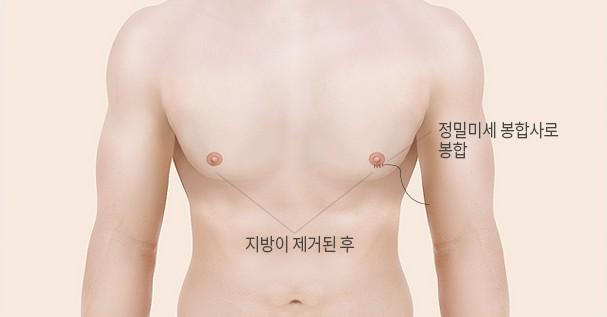
Suturing
The incision is sutured with precision fine suture material. Using precision fine suture material for the incision reduces the burden of scarring after surgery (varies from person to person).
Want to resolve gynecomastia?
Firm chest line, resolving complexes Clothes that fit better
Who gynecomastia correction suits
At consultation we review chest protrusion, gland tissue, areola size and body type.

Protruding chest
When the chest protrudes enough to be grasped by hand

Pointed nipple, large areola
When the nipple is pointed and the areola is larger than normal

Rounded areola area
When the area around the areola is rounded overall

Firm gland tissue
When firm glandular tissue can be felt when touching around the nipple

Obesity-related sagging
When the breasts are round and sagging on an obese body
Unchanged by exercise
When the chest has not turned into muscle no matter how much you exercise
Four promises we keep
Beyond beauty, we practice medicine that adds value to your life.
Honest consultation, principled surgery
We consult without exaggeration and operate by principle.
Safety from the basics
Accidents can start from small details, so we follow every safety rule carefully.

One dedicated specialist
Your specialist handles consultation, surgery and aftercare. No shadow doctors.
Results that suit you
We find the beauty that fits your features and personality.
Frequently Asked Questions
Frequently asked questions about causes and surgical methods.
How is the cause of gynecomastia confirmed?
The main causes are the development of glandular tissue and fat accumulation. Other causes are possible, so your condition is checked at your consultation.
Is it treated with liposuction alone?
Liposuction and glandular tissue removal are distinguished according to tissue condition. The methods needed and the risks are explained at your consultation.
Post-Surgery Precautions
Side effect information: Complications that can generally occur after surgery, such as bleeding, infection and inflammation, may vary in degree from person to person, so caution is needed.
Related Breast Surgery
Explore breast surgery care by area and method.




Get started with an easy inquiry or booking
Reach us by phone, messenger or online. Our chatbot is available 24 hours a day.