

Hair Implant
A hair implant creates fuller hair and a clean hairline for a more confident look.
Procedure information
From procedure time to recovery, see the hair implant schedule at a glance.

Procedure time
About 3-4 hours
Anesthesia
Sedation

Hospitalization
Not required

Stitch removal
7 days

Follow-up visits
1-4 visits

Recovery period
After 1 week
Ruby Hair Implant
Follicles harvested from the back of the head are grafted to areas of hair loss or the hairline, where hair grows over time.


Incisional or not
It is incisional or non-incisional, depending on condition and extent.

Hairline correction
It is effective for hairline correction as well as hair loss.
Time to grow
Grafted hair sheds once, and regrowth takes time.
Hair implant at Ruby Plastic Surgery
Fuller hair and a natural hairline correction!
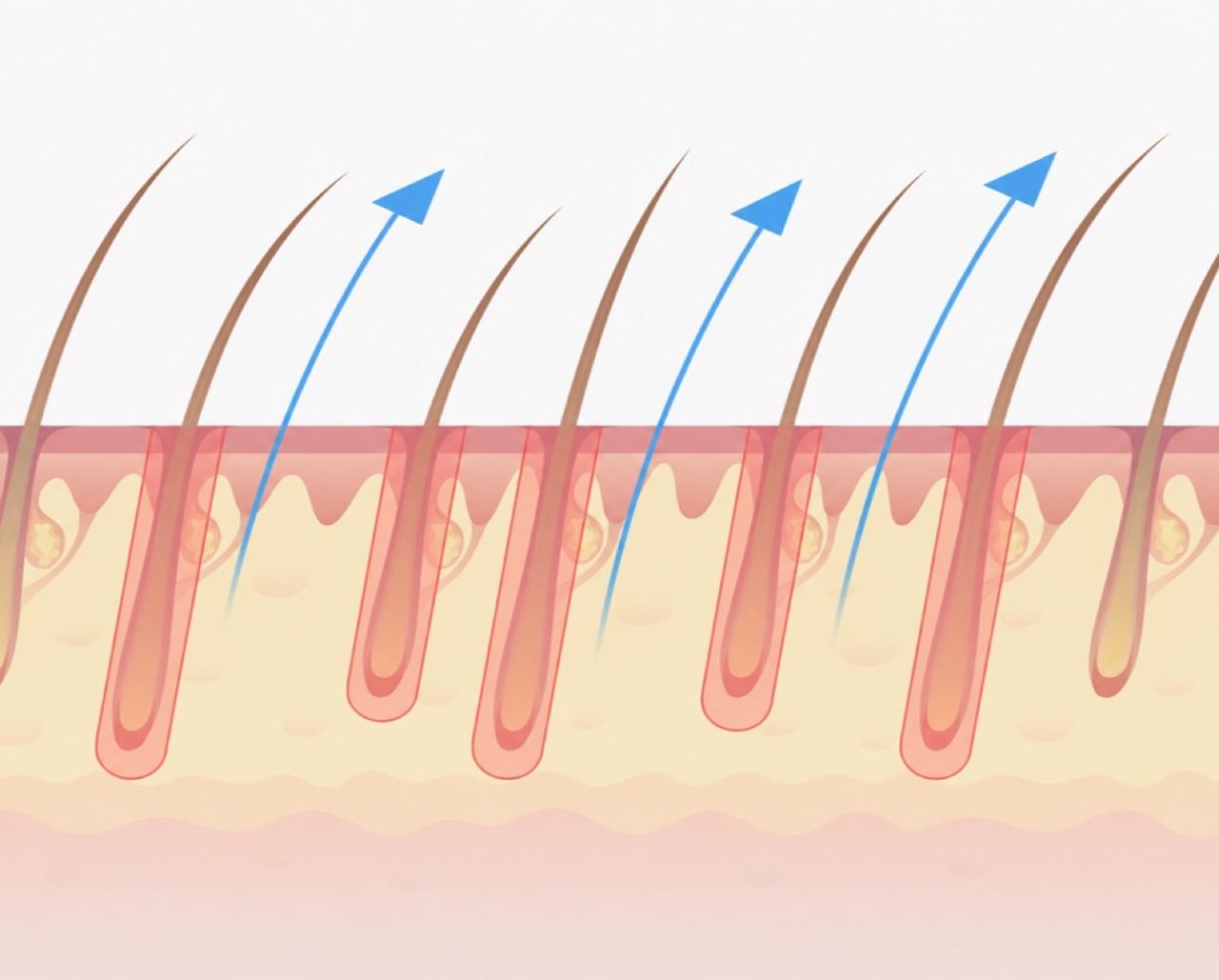
Harvest and graft by hair direction and angle
By harvesting and grafting precisely according to the angle and direction in which the hair extends, you can improve toward fuller hair.
Grafting at the exact depth for each person's scalp thickness
Grafting to suit each person's scalp thickness and depth can improve hair graft survival.
Grafting the exact number of hairs as agreed
By grafting accurately according to the agreed number of grafted hairs, the hair can look fuller and more natural.
Analysis by hair loss type
A good result can be achieved only when surgery follows analysis of the type of hair loss.
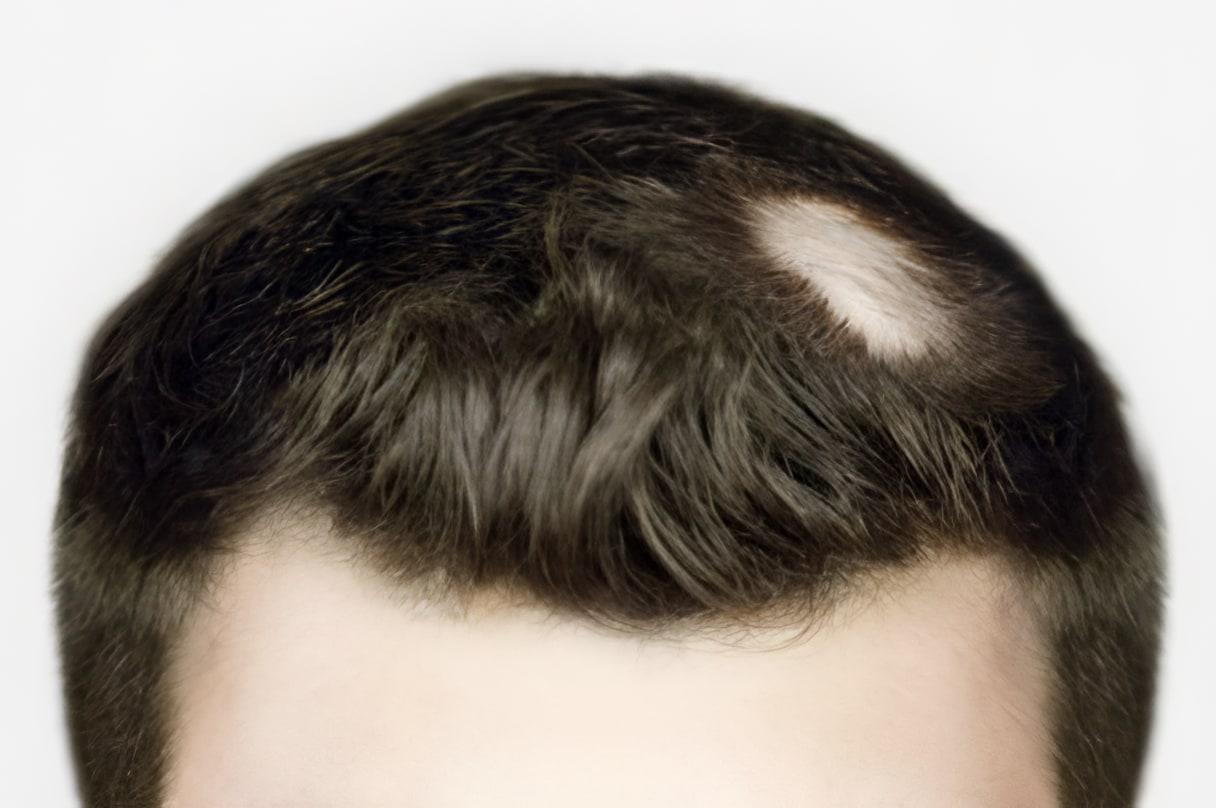
Alopecia areata
Hair loss in round patches, occurring singly, in multiple spots or across the whole scalp.
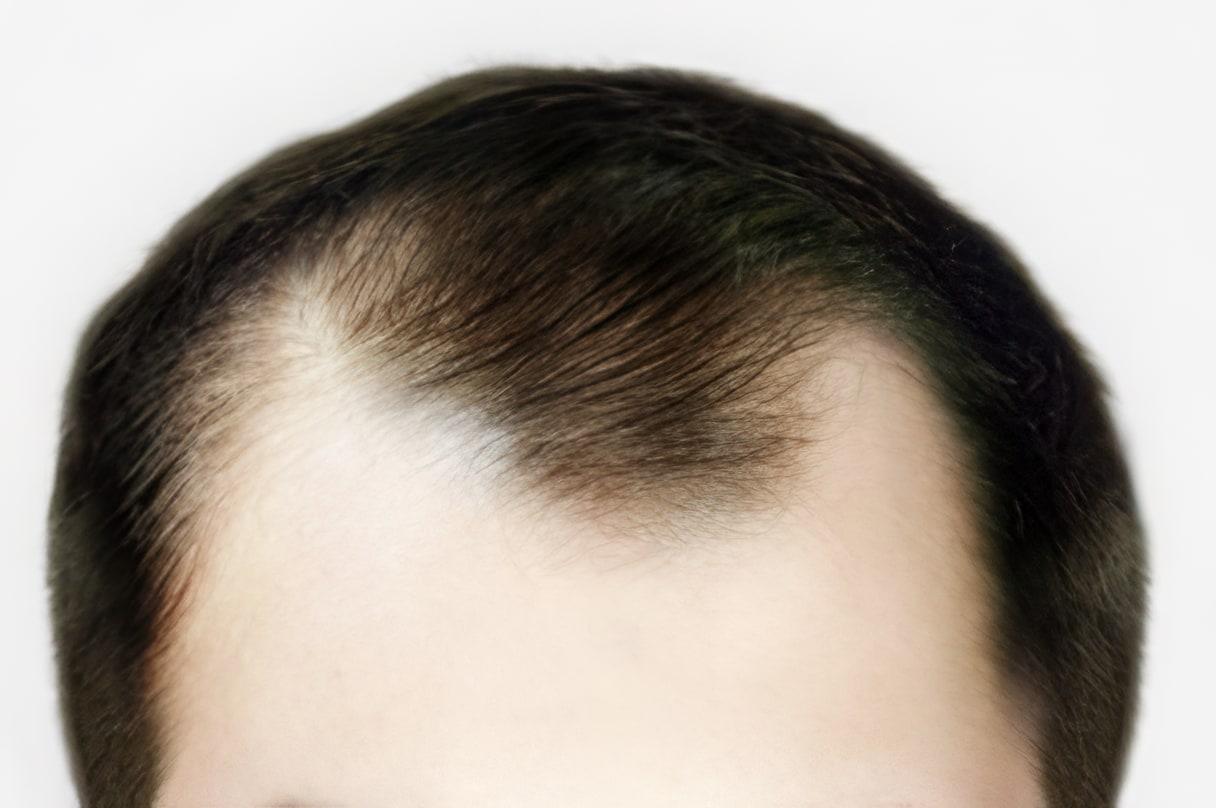
M-shaped hair loss
It does not spread to the temple area, but the hairline often gradually rises and enlarges in an M shape.
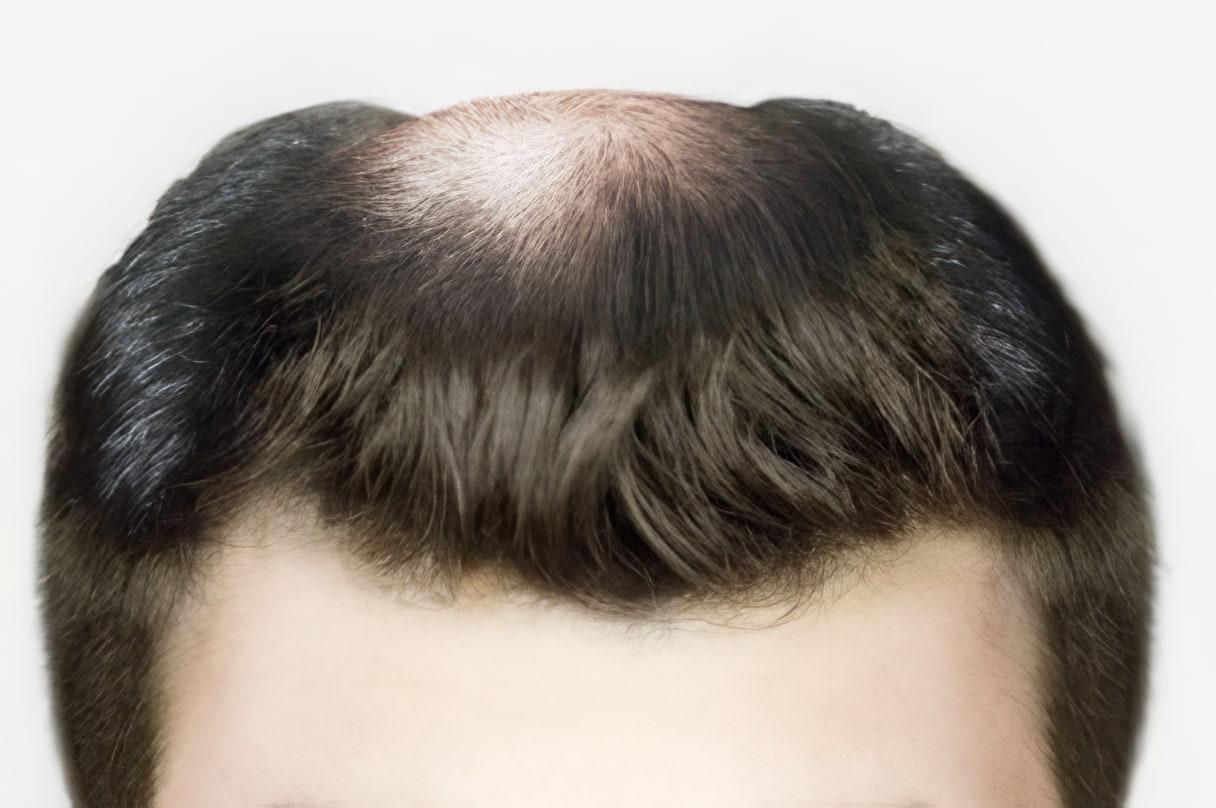
Crown hair loss
It is common in both men and women, and hair loss occurs as the hair at the crown becomes thinner.
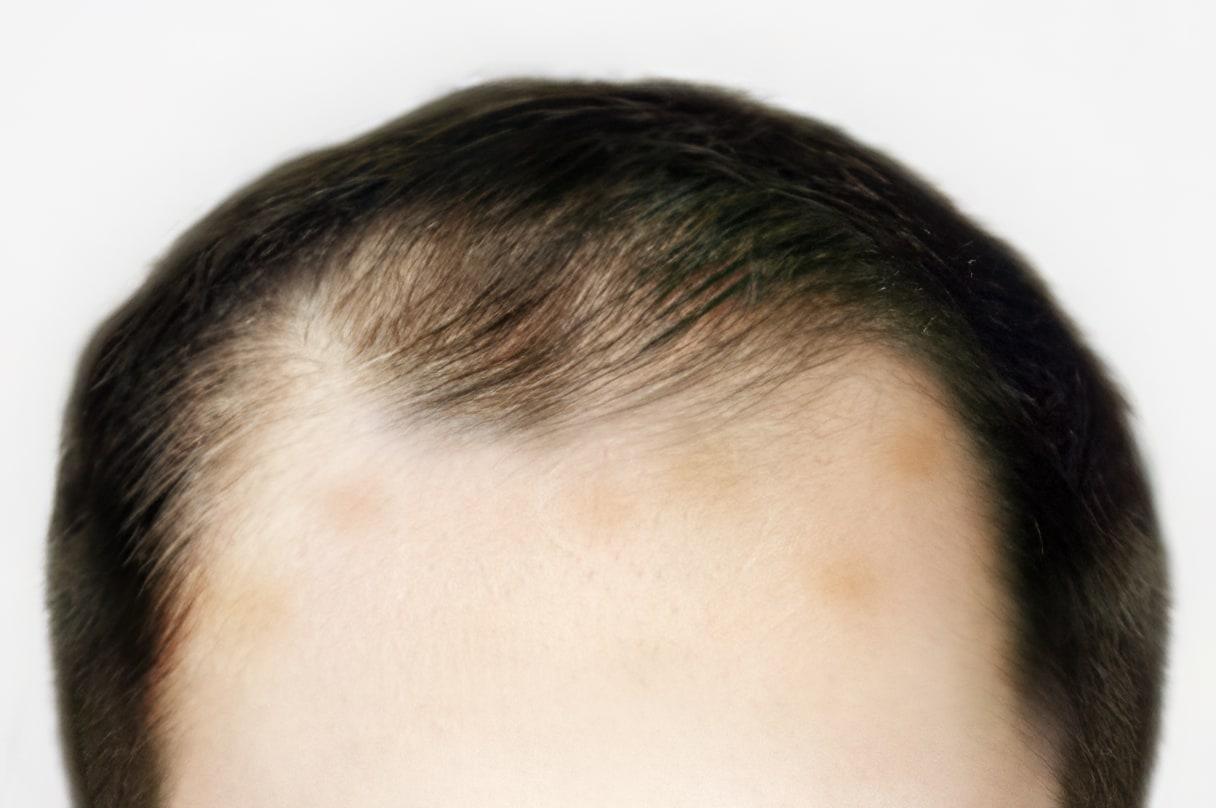
Seborrheic hair loss
This is hair loss that begins from seborrheic scalp inflammation, in which scalp health worsens, with a lot of flakes and dandruff accompanied by itching.
Could it be hair loss? Check with a self-assessment
Check whether you need a hair implant, and hair loss can be improved through treatment suited to each person.
Heavy hair shedding
If a lot of hair is left on your pillow or falls out when you wash or comb it, caution is needed.
A forehead that keeps widening
As hair loss progresses, the hairline deepens into an M shape. Care can slow it but is not a fundamental solution.
Thin, limp hair
If combing gets easier or hair lies flat with just water, it may be a sign of thinning hair.
How non-incisional and incisional hair implant differ
It is best to understand the difference between non-incisional and incisional hair implant and then choose the method that suits you.
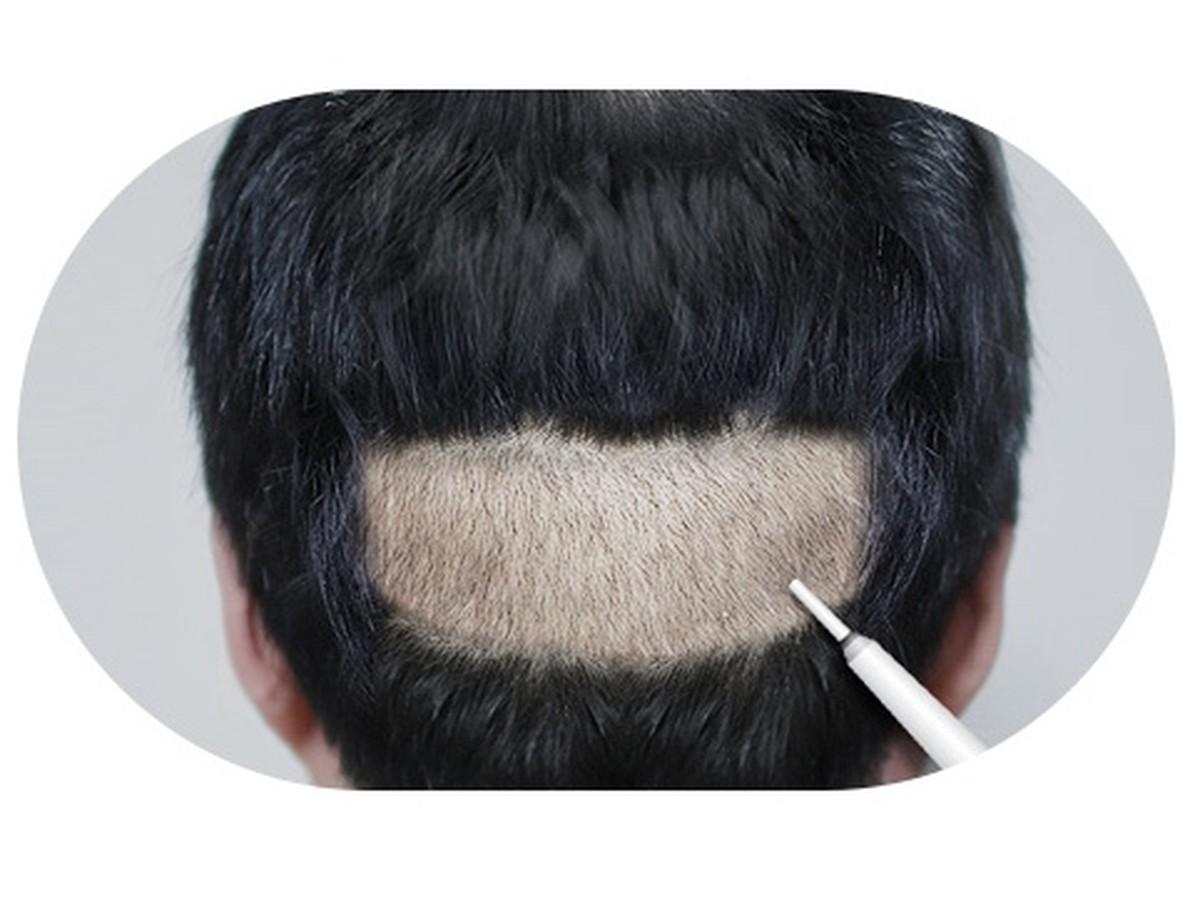
Non-incisional hair implant
Naturalness Some parts may look less natural in reproducing hair direction and hair texture.
Shaving Partial shaving is needed before surgery for precise follicle harvesting.
Suturing No incision, so no suturing is needed, but it takes time for hair to grow back.
Time and cost Takes longer than the incisional method, and costs somewhat more.
Daily life Shampooing and showering are possible from the day after surgery, and recovery of daily life is quick.
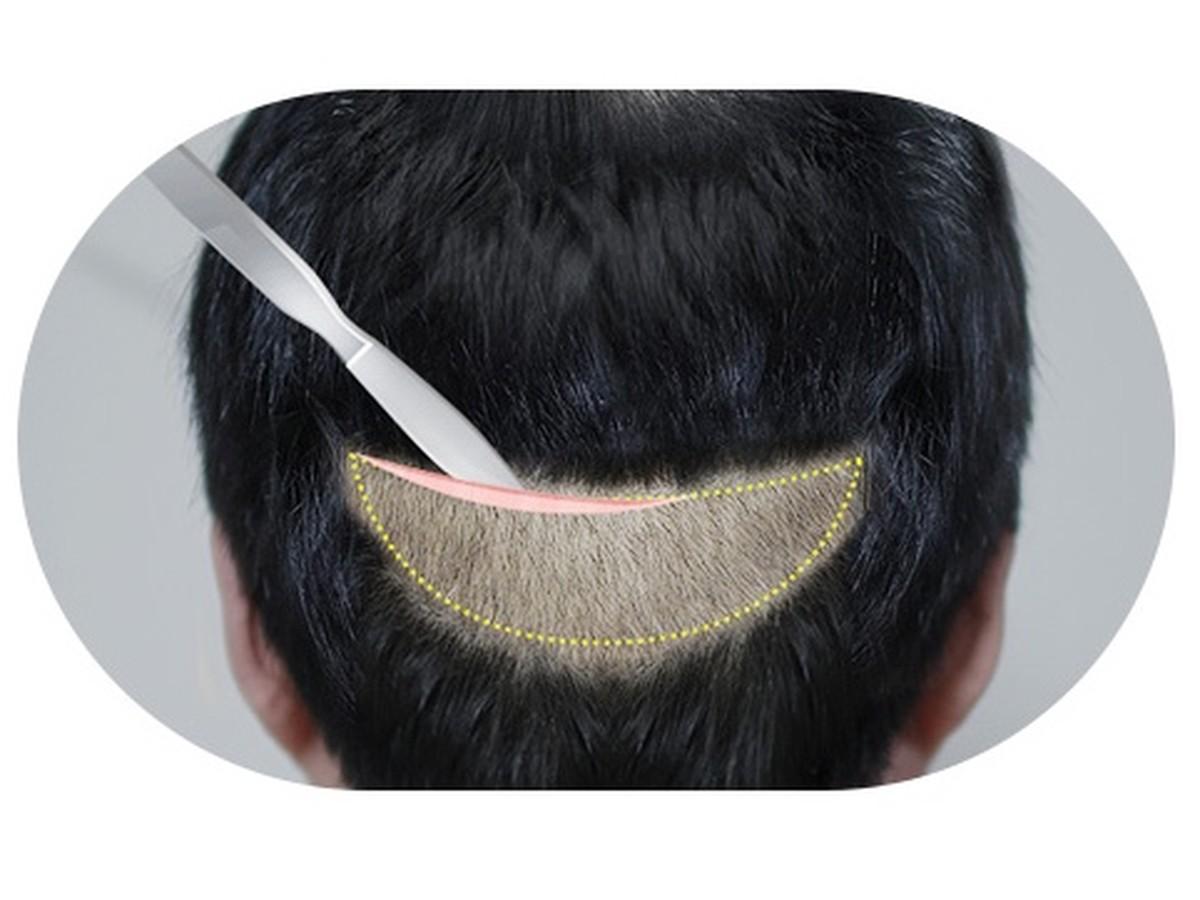
Incisional hair implant
Naturalness Because hair is grafted as it is, the hair texture and direction look natural.
Shaving Your current hairstyle can be kept, with no partial shaving needed.
Suturing The incision is sutured so that hair can grow back at the incision site as well.
Time and cost Surgery time is shorter than the non-incisional method, and the cost is somewhat lower.
Daily life Shampooing and showering are possible about 14 days after surgery, and recovery of daily life is relatively slower than non-incisional.
Hair transplant process
After analyzing face shape, proportions, forehead shape, hairline and hair loss, we choose the matching surgical method and perform a three-dimensional, delicate hair implant to help you find a beautiful youthful face.
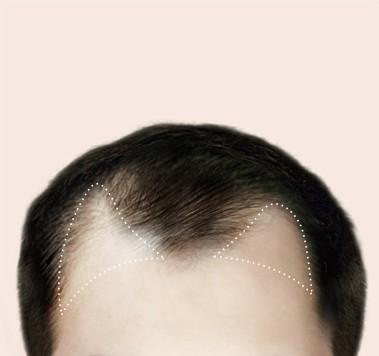
Consultation and precision analysis
Through consultation, the hair implant method is chosen and the graft area is designed.
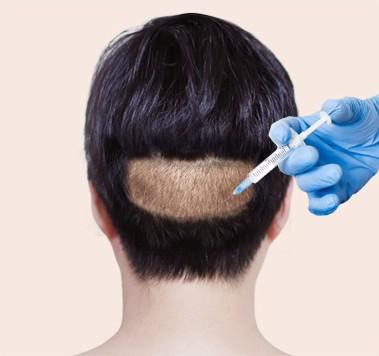
Local or sedation anesthesia
Local or sedation anesthesia is given for follicle harvesting.
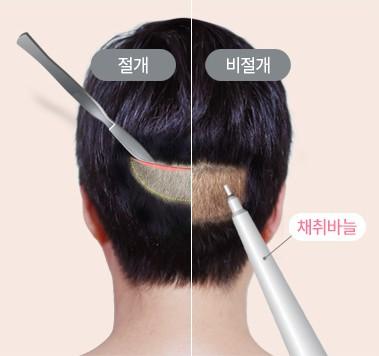
Follicle harvesting
The needed follicles are harvested according to the harvesting method.
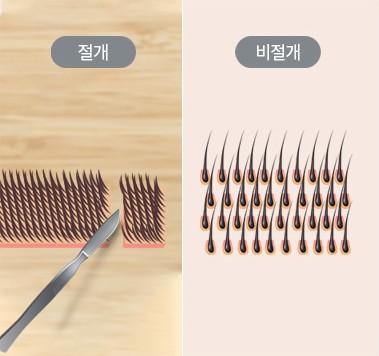
Follicle separation and tissue preparation
The harvested follicles are separated and the tissue is prepared.
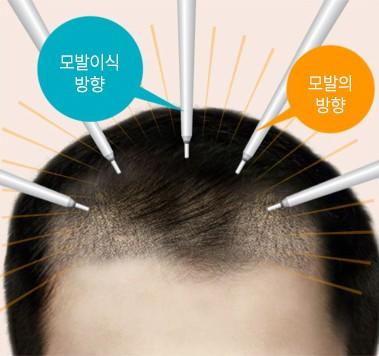
Follicle grafting
The separated follicles are grafted into the needed areas.
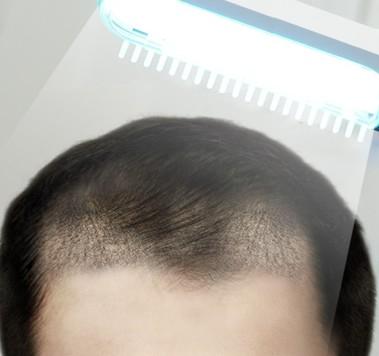
Post-surgery care
We provide care to improve the survival of the grafted follicles and support quick recovery.

Want full, natural hair and a natural hairline?
Fuller-looking hair, hairline correction effect Restored confidence, a smaller-looking youthful face
Who hair implant suits
At consultation we review hair-loss pattern, density, hairline and desired shape.

Natural-looking hair
When you want to improve toward natural, full hair

Reduced hair density
When hair density is low overall

Hereditary hair loss
When you have hair loss due to genetic influence

M-shaped hair loss
When M-shaped hair loss makes you look older

Hairline correction
When hairline correction is needed

Crown hair loss
When the hair at the crown has become thinner and sparser
Four promises we keep
Beyond beauty, we practice medicine that adds value to your life.

Honest consultation, principled surgery
We consult without exaggeration and operate by principle.
Safety from the basics
Accidents can start from small details, so we follow every safety rule carefully.
One dedicated specialist
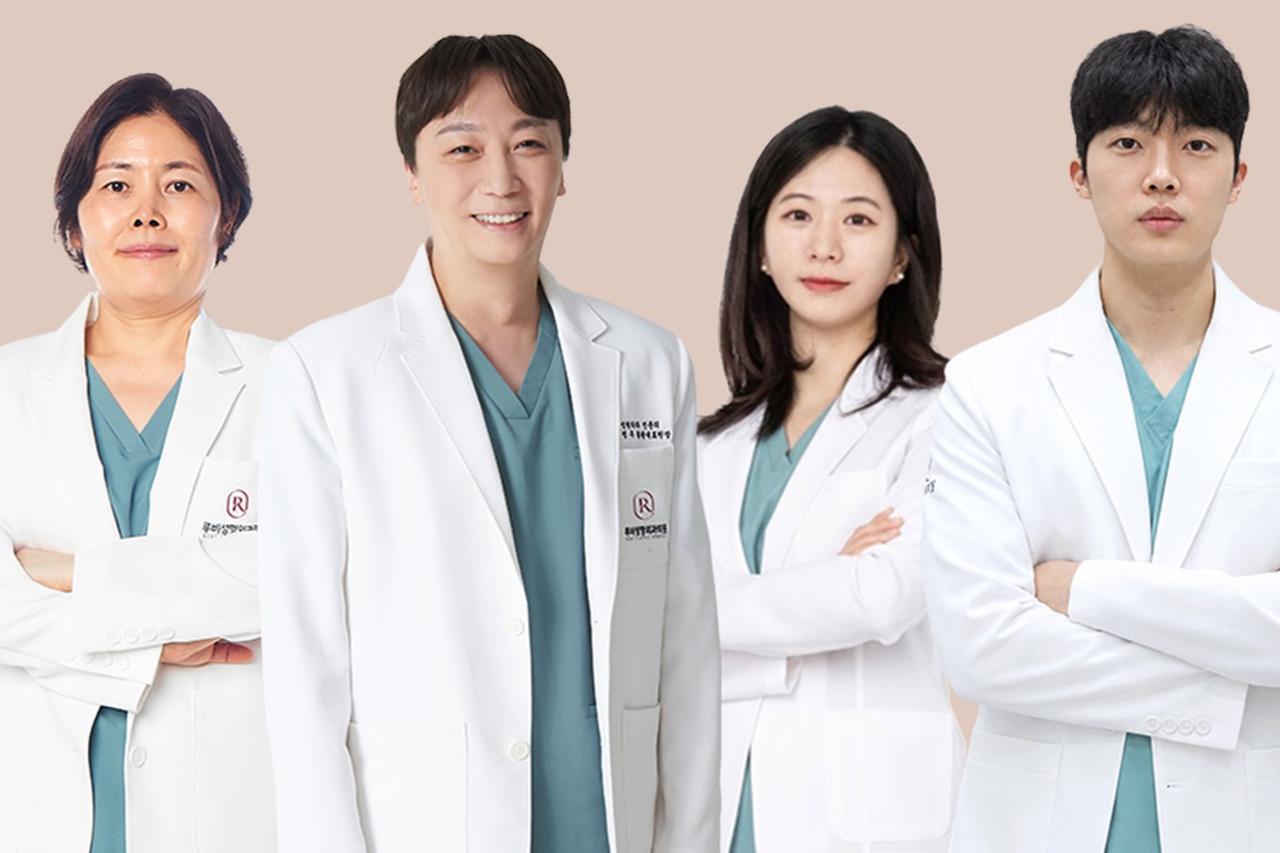
Your specialist handles consultation, surgery and aftercare. No shadow doctors.

Results that suit you
We find the beauty that fits your features and personality.
Transplant Method and Recovery Process
Frequently asked questions about the difference between incisional and non-incisional methods and hair changes after transplant.
How do incisional and non-incisional methods differ?
They are divided into incisional and non-incisional according to the method of harvesting follicles from the back of the head. We discuss the suitable method after looking at your scalp condition and the graft area.
Does the hair grow right after transplant?
Grafted hair sheds once and needs time before it grows back. Each person's course is confirmed at your consultation.
Post-Surgery Precautions
Side effect information: Complications that can generally occur after surgery, such as bleeding, infection and inflammation, may vary in degree from person to person, so caution is needed.
Related Lifting Procedures
Explore lifting and face lift care by area and method.







Get started with an easy inquiry or booking
Reach us by phone, messenger or online. Our chatbot is available 24 hours a day.