
Zygoma Reduction Aftercare: Precautions by Stage and Recovery Time
For anyone who has had or is planning zygoma reduction: warning signs right after surgery, how long to avoid hard foods, exercise, and certain sleep positions, and when swelling goes down.
Aftercare following zygoma reduction comes down to two words: patience and caution. A short stretch of care is rarely enough for a full recovery—consistent care for at least a year is what allows your results to properly settle. If you have had or are planning zygoma reduction, here is everything in one place about how long and how carefully to manage hard foods, swelling, exercise, and sleep position.
Zygoma reduction does more than refine your facial contours—it can also affect your confidence. That is exactly why poor aftercare raises the risk of complications and can keep you from the results you want. Below, we walk through warning signs right after surgery, the recovery process, and frequently asked questions.
What signs should you not miss in the first 2–3 days?
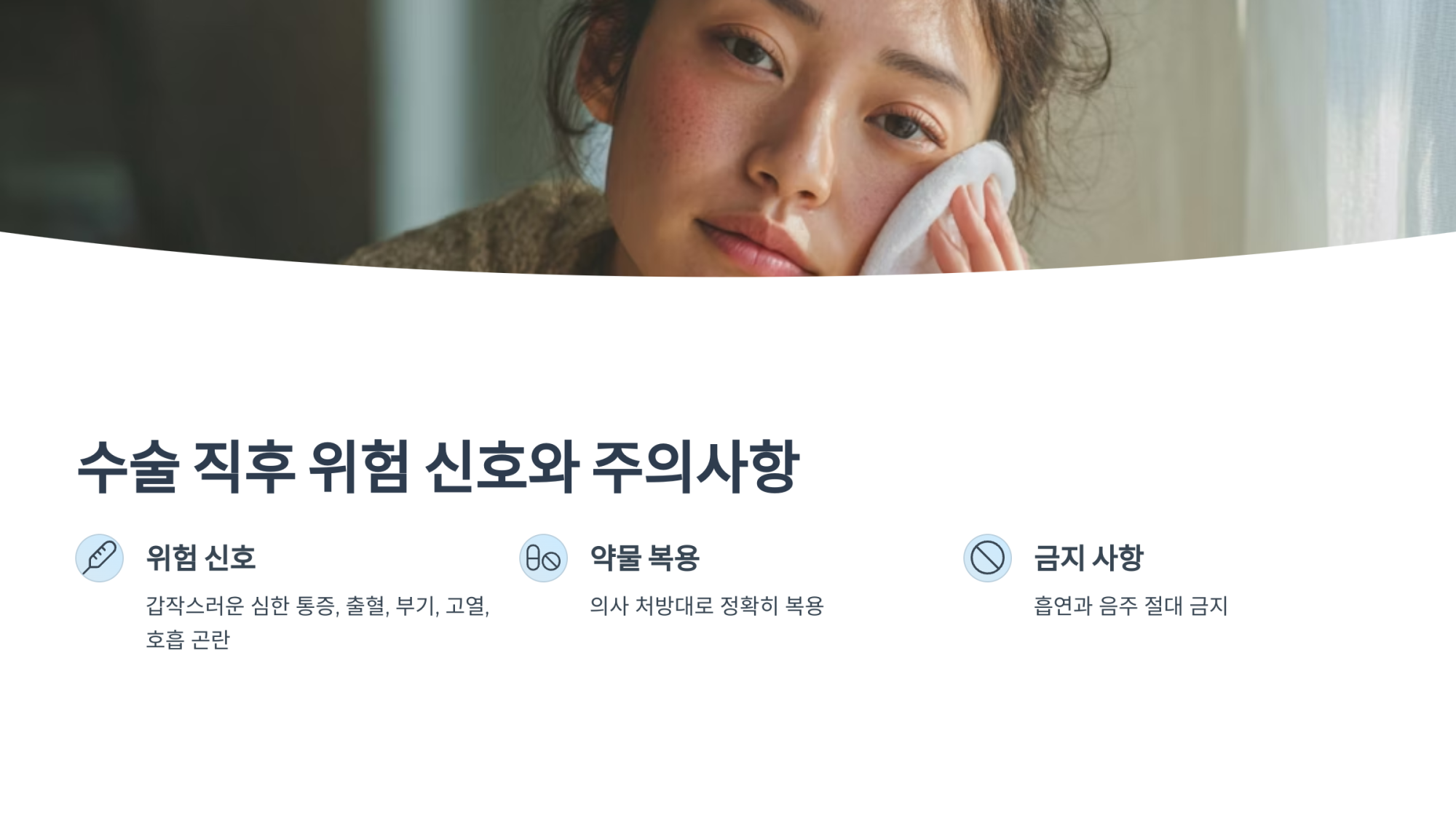
The most critical period of recovery is the first 2–3 days after surgery. During this time, focus on minimizing the risk of bleeding, swelling, and infection. Some pain and swelling at the surgical site is a normal response, but if you notice any of the following symptoms, contact your clinic right away and have the medical team examine you.
- Pain that suddenly gets worse
- Bleeding
- Severe swelling
- High fever
- Difficulty breathing
Take your prescribed medications exactly as directed, and follow your medical team's instructions carefully. Smoking and drinking can slow healing and lead to complications, so you must stop both.
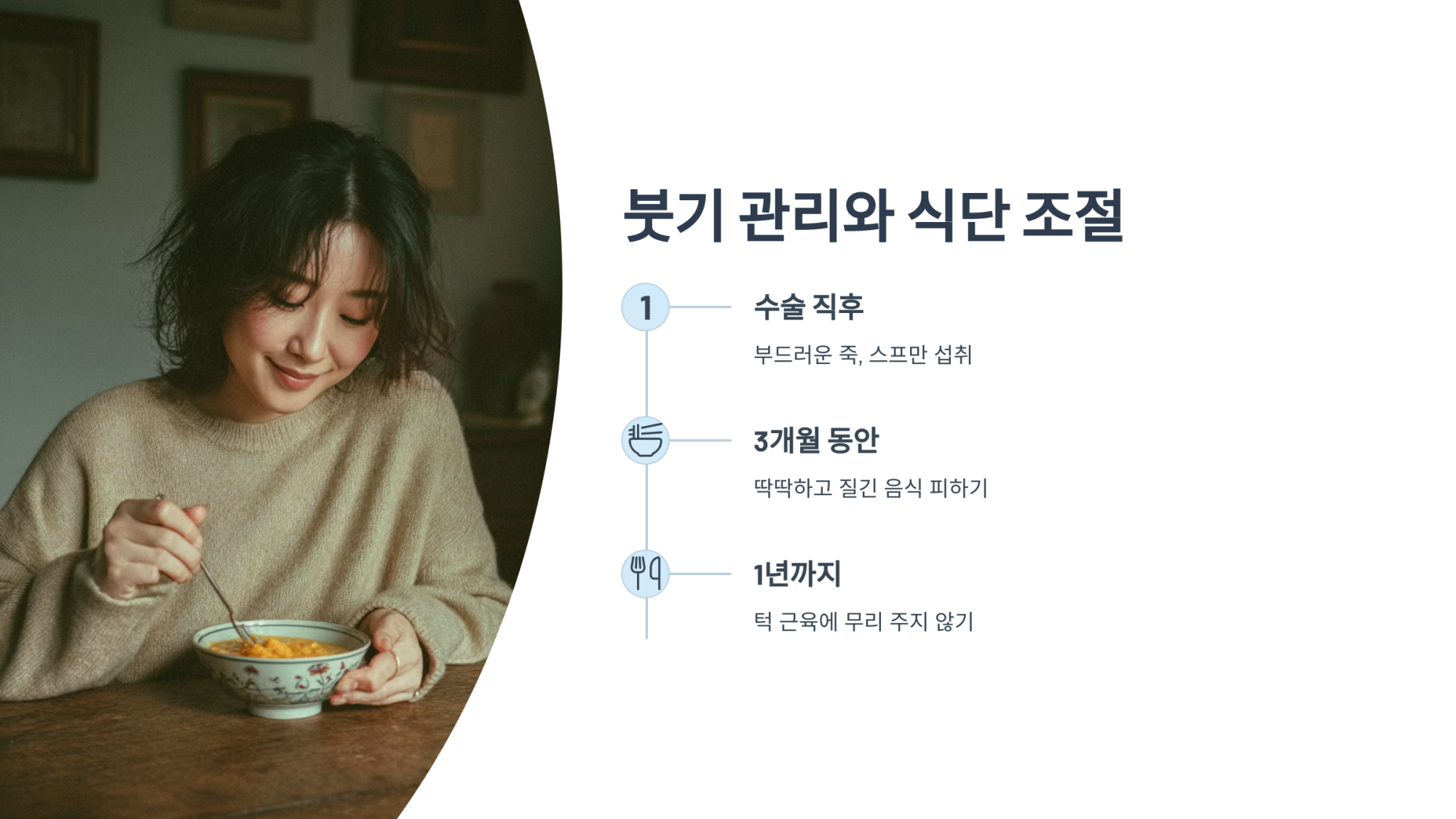
Swelling care and diet: avoid hard foods for 3 months
Swelling subsides on its own over time, but how long it lasts and how severe it is can vary greatly depending on how well you manage it. Zygoma reduction is especially affected by hard foods, so managing your diet is important.
Overusing your jaw muscles before the bone has fully fixed in place can lead to nonunion, meaning the bone does not heal together properly. To prevent this, it is important to limit jaw muscle use until then. Of course, everyone is different, so please treat this as a general guide only.

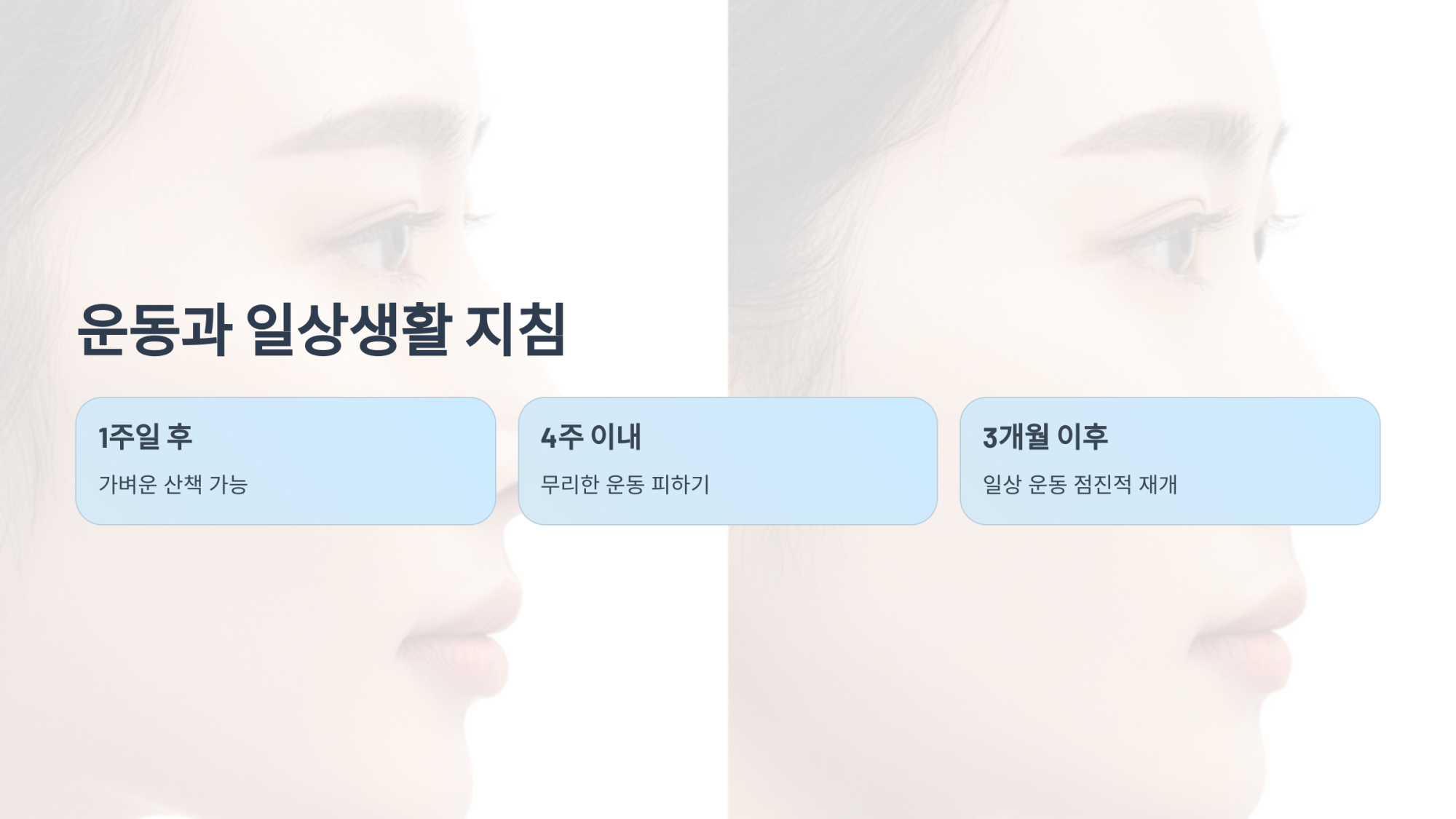
Exercise and sleep position
From about one week after surgery, light walks are fine and may even help reduce swelling. However, avoid strenuous exercise for 4 weeks—especially exercise that works the facial muscles. Putting stress on the surgical area can keep the bone from healing properly.
When sleeping, using a pillow slightly higher than usual helps manage swelling. Lying on your side can press on and strain the surgical area, so it is best to sleep on your back whenever possible.
When do bruising and swelling go away, and when will I see results?
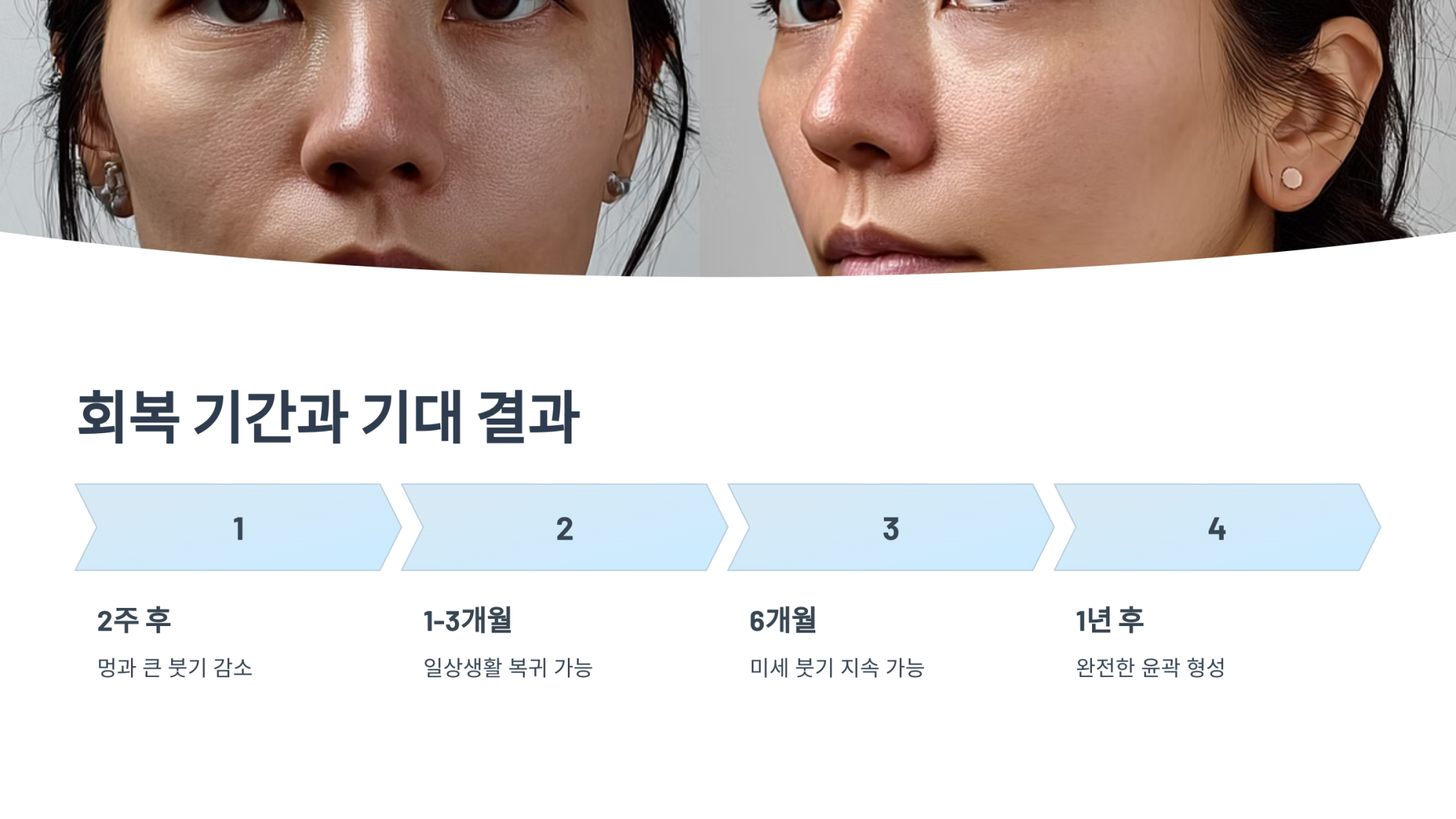
Bruising usually disappears within 2 weeks, and most of the major swelling also subsides within 2 weeks. However, subtle swelling can linger for up to a year, so it is best to wait about a year to see the full effect of surgery. This can vary from person to person, so please take it as a general reference.
If any questions come up during recovery, check with the clinic where you had surgery, and keep up with regular follow-up visits so your progress can be monitored closely.
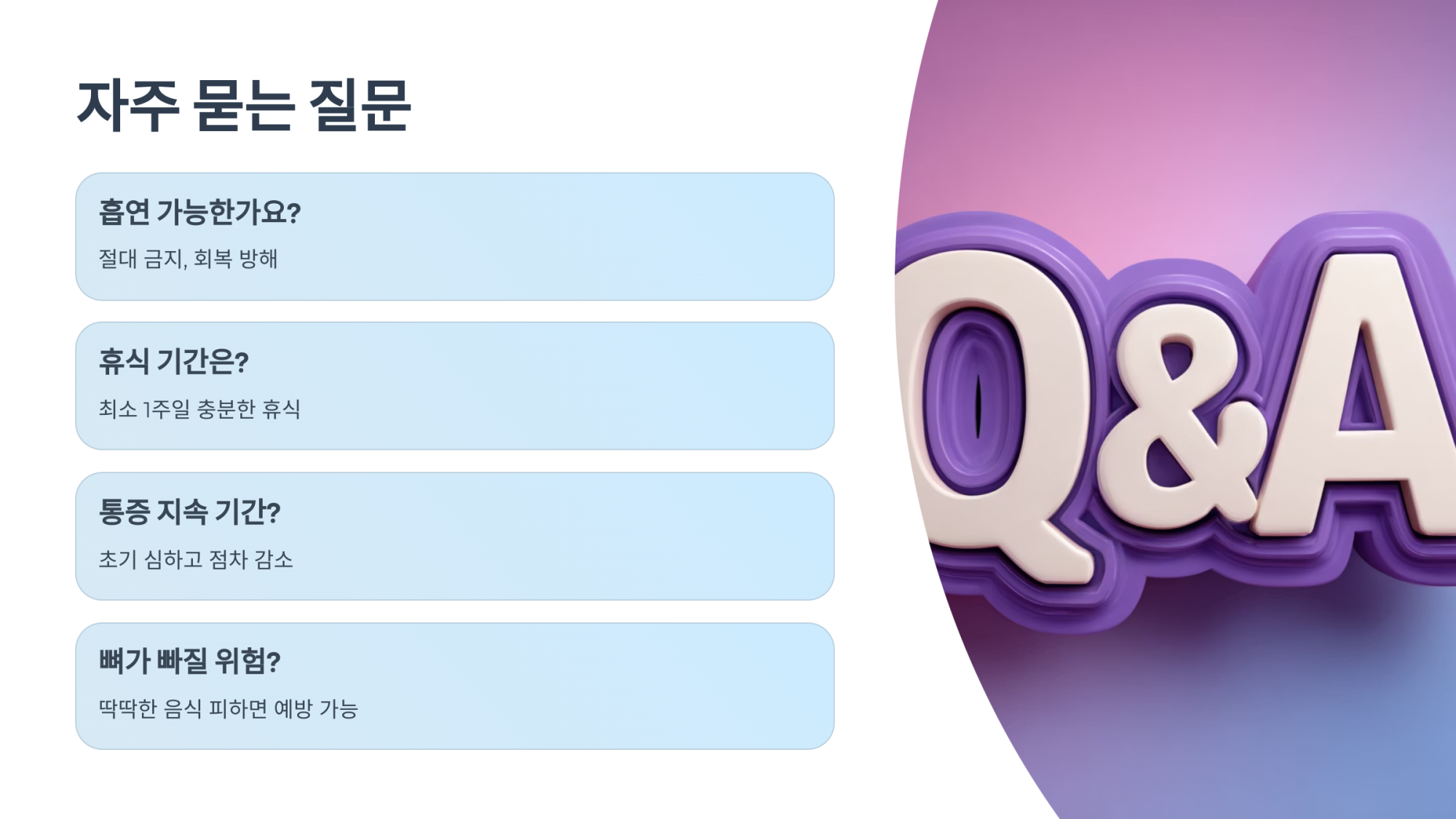
Zygoma Reduction Aftercare Q&A
When is it okay to smoke again? You should avoid smoking completely during recovery. Smoking slows healing and increases the risk of complications.
How much rest do I need after surgery? It is best to rest well for about a week, and avoid strenuous exercise for 4 weeks.
Is there anything that helps reduce swelling? Ice packs, a higher pillow, and light walks can help. Pumpkin juice is also said to help.
How long does the pain last? There may be some pain right after surgery, but it can be controlled to a degree with pain medication, and it naturally eases over time.
Is there a risk of the bone shifting out of place? Yes, it is possible. That is why you should avoid hard foods for at least 3 months and take care not to strain your jaw muscles.


Three keys to recovery
- In the first 2–3 days, watch for warning signs such as sudden severe pain, bleeding, high fever, or difficulty breathing, and avoid smoking and alcohol.
- Avoid hard, chewy foods for at least 3 months, and avoid straining your jaw muscles for up to 1 year.
- Major swelling and bruising last about 2 weeks, while subtle swelling can last up to 1 year, so final results are assessed after a year.
Last reviewed : 2026-10-07
This article provides general medical information. Individual diagnosis and treatment plans are determined through an in-person consultation.
Ruby News and Columns
We provide the publication dates and original posts confirmed on the official blog.





Get started with an easy inquiry or booking
Reach us by phone, messenger or online. Our chatbot is available 24 hours a day.