
Salivary Gland Botox vs. Jaw Botox: Sinsa Station, Gangnam
Still have fullness below your ears after jaw Botox? Learn about salivary gland enlargement, how salivary gland Botox works, how long it lasts, and what to watch for.
Salivary gland Botox is a treatment that shrinks enlarged salivary glands rather than the jaw muscle. If you have lost weight and even had jaw Botox, yet the area below your ears or under your jaw still looks full, what is filling that space may not be fat but your salivary glands.
Salivary gland enlargement is what many people overlook when they ask a plastic surgery clinic near Sinsa Station in Gangnam about salivary gland Botox. Below, we walk through how jaw Botox and salivary gland Botox differ, how long results last, and what to keep in mind when choosing a clinic.



Why Jaw Botox Alone May Not Change Your Jawline
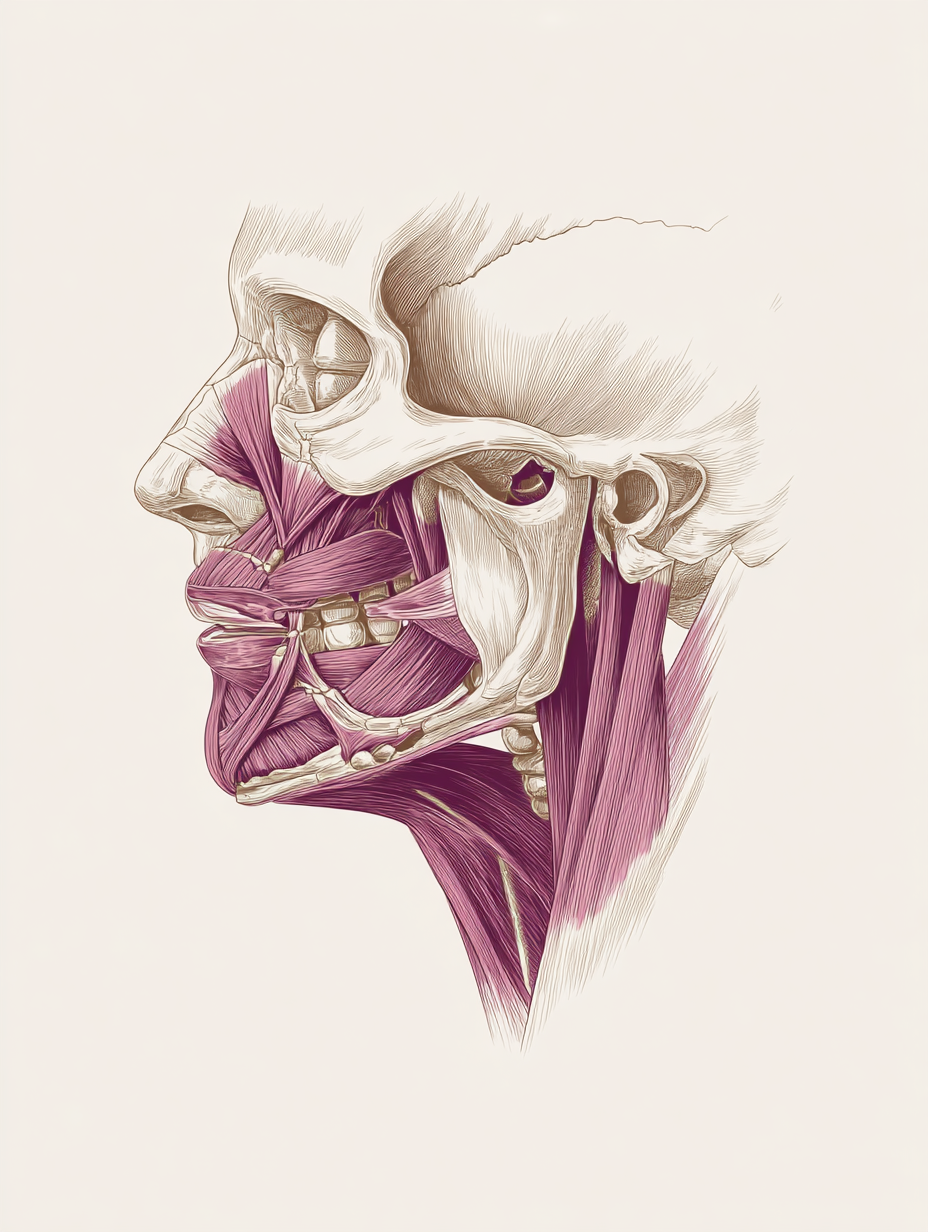
When a face looks wide, most people first think of the masseter, the jaw muscle. But if the parotid gland below the ear or the submandibular gland under the jaw is overdeveloped, a standard square-jaw treatment that reduces the masseter often won't make much difference to the contour.
Among the patients we see in clinic, some have enlarged salivary glands rather than a muscular jaw. This is where salivary gland Botox comes in. It acts directly on the enlarged glands to reduce their size, smoothing out the leftover fullness below the ears and under the jaw.
Jaw Botox vs. Salivary Gland Botox

When Results Appear and How Long They Last
Results from salivary gland Botox begin to show about 2–4 weeks after treatment and last around 4–6 months. Cost varies depending on the equipment a clinic uses and whether the toxin is domestic or imported, so the most accurate way to find out is to ask during your consultation.


What to Look for When Choosing Salivary Gland Botox
Facial nerves and blood vessels run densely around the salivary glands. Because this is a sensitive area, look first at how experienced the medical team is rather than choosing on price alone.
Things to check during your consultation:
- Whether the full, proper dose of the product is used
- Whether the injection points on the parotid and submandibular glands are precisely targeted
- Whether a one-on-one consultation distinguishes between a muscular jaw and salivary gland enlargement
What to Prepare Before Treatment
There are also some preparations and checks you can do yourself before and after your consultation.
- Adjust your diet: Spicy and salty foods are considered a cause of salivary gland enlargement, so it helps to cut back on them in daily life.
- Ultrasound exam: Ask whether the size of your parotid and submandibular glands can be checked by ultrasound before treatment. It also helps determine whether your jaw is muscular or gland-related.
- Product verification: See whether the clinic will show you, in front of you, that a genuine product is being used at the proper dose.
Sinsa Station has a high concentration of plastic surgery clinics, which means plenty of options. The more options you have, the more carefully you should compare them using the criteria above.


Summary
- If the area below your ears or under your jaw looks full, the cause may be salivary gland enlargement rather than the masseter.
- Salivary gland Botox reduces the parotid and submandibular glands; results appear after 2–4 weeks and last about 4–6 months.
- Because nerves and blood vessels are close by, using the proper dose and injecting at the precise location are essential.
A smooth facial contour starts with noticing a small difference: that the cause is your salivary glands, not your muscle.

Last reviewed : 2026-10-08 This article provides general medical information. Individual diagnosis and treatment plans are determined through an in-person consultation.
Ruby News and Columns
We provide the publication dates and original posts confirmed on the official blog.





Get started with an easy inquiry or booking
Reach us by phone, messenger or online. Our chatbot is available 24 hours a day.