
Implant-Free Nose Surgery at Sinsa Station: Candidates, Pros & Cons
Worried about artificial implants and considering implant-free nose surgery? We cover the types of autologous tissue, an implant comparison, recovery time, and a pre-surgery checklist.
Implant-free nose surgery isn't a surgery that everyone can have just because they want it. Because it shapes the nose using only your own tissue, the result depends heavily on your nasal structure and how much cartilage can be harvested.
More and more people are looking into implant-free nose surgery at plastic surgery clinics near Sinsa Station because they are wary of artificial implants or worried about side effects. We've put together this guide so you can gauge whether you may be a candidate and learn the pros, cons, and precautions before your consultation.

Shaping the Nose with Your Own Tissue
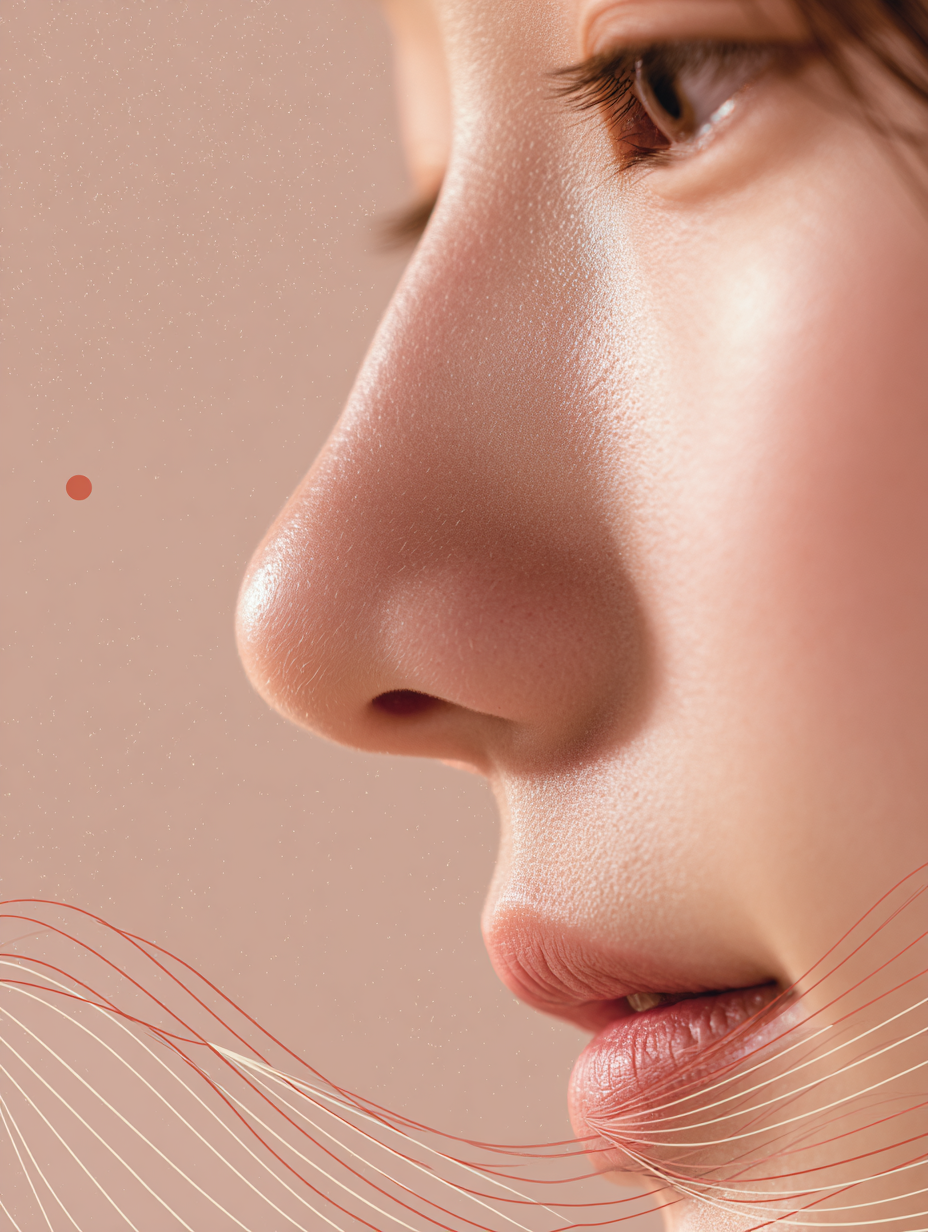
Implant-free nose surgery refines the bridge and tip of the nose using the patient's own tissue, without inserting artificial materials such as silicone. Its biggest appeal is a naturally flowing line, but if your nasal structure can't support it, the desired shape is hard to achieve. That's why candidacy is assessed individually.
Good candidates are noses that already have a reasonably high bridge but a round, bulbous tip, or noses with a hump on the bridge. Because the tissue comes from your own body, there is less of a foreign-body feel, and the likelihood of inflammation or contracture is relatively low compared with implants. On the other hand, if your goal is to raise a flat bridge noticeably, your own tissue alone may not provide as much height as you want.
In short, implant-free nose surgery is better suited to people who want a safe, subtle change than to those who put height above everything else.


Cartilage and Dermis as Building Materials
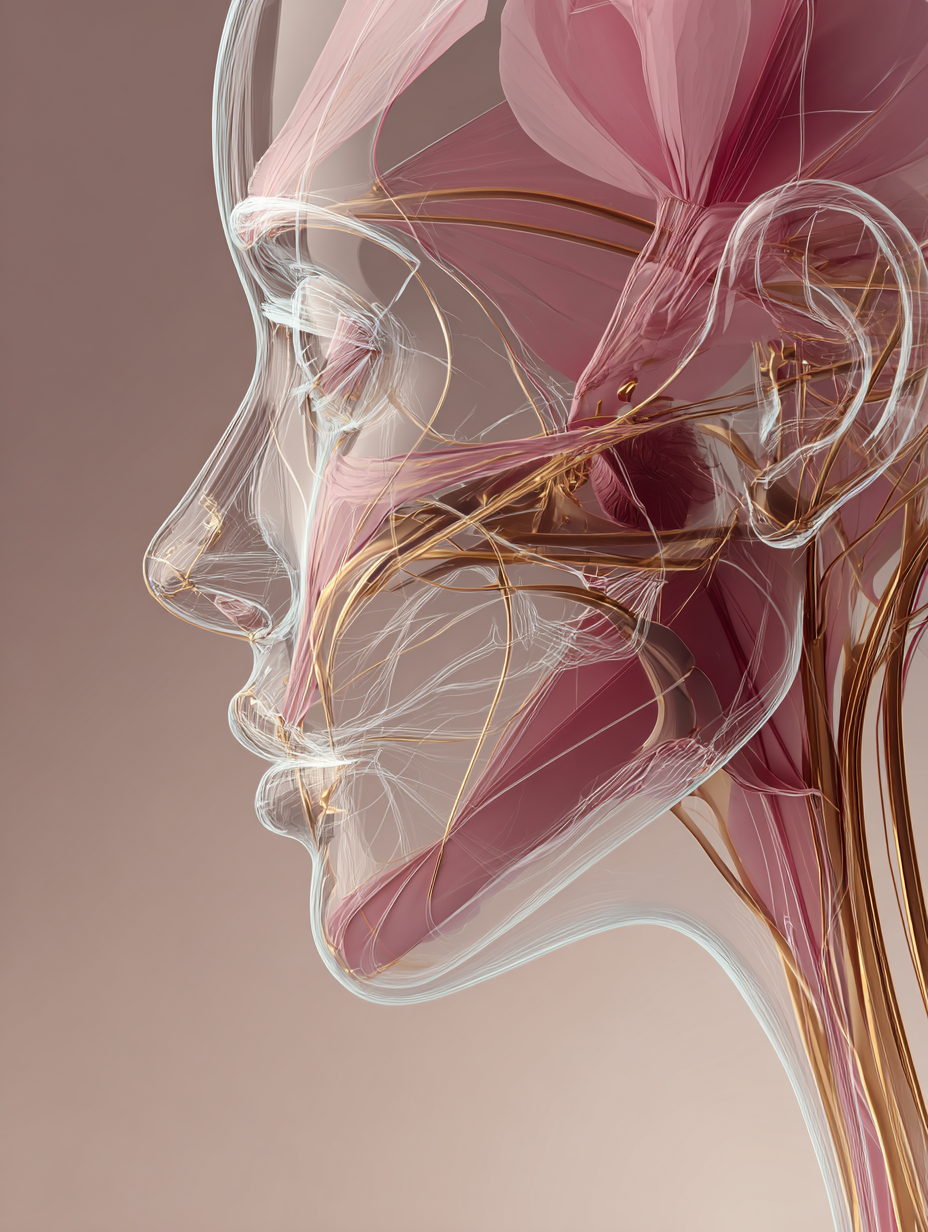
Three types of autologous tissue are commonly used in implant-free nose surgery.
- Septal cartilage
- Ear cartilage
- Autologous dermis
Which materials to use, and how much, is decided based on the diagnosis. That's why, when planning implant-free nose surgery at a clinic near Sinsa Station, the first step is a precise evaluation of how much space there is inside the nose and how much cartilage can be harvested.
Implant vs. Implant-Free at a Glance


As the table shows, implant-free nose surgery leans toward stability and a natural look. Conversely, if your bridge is very low and you want to raise it by 5 mm or more, silicone may be the better fit. Which approach suits you should be decided after an in-depth consultation with a specialist.
Humpectomy and Recovery Time
A hooked nose can also be corrected with implant-free nose surgery, and it is one of the cases where the before-and-after change is clearly visible. The surgeon refines the protruding bone and then supports the tip with your own cartilage, which makes implant-free nose surgery at clinics near Sinsa Station an efficient option for humpectomy.
Recovery is easiest to understand in two stages.
Another feature of implant-free nose surgery is that autologous tissue tends to adapt more quickly than inserted artificial materials.
Pre-Surgery Precautions Checklist
Be sure to confirm these three things during your consultation.
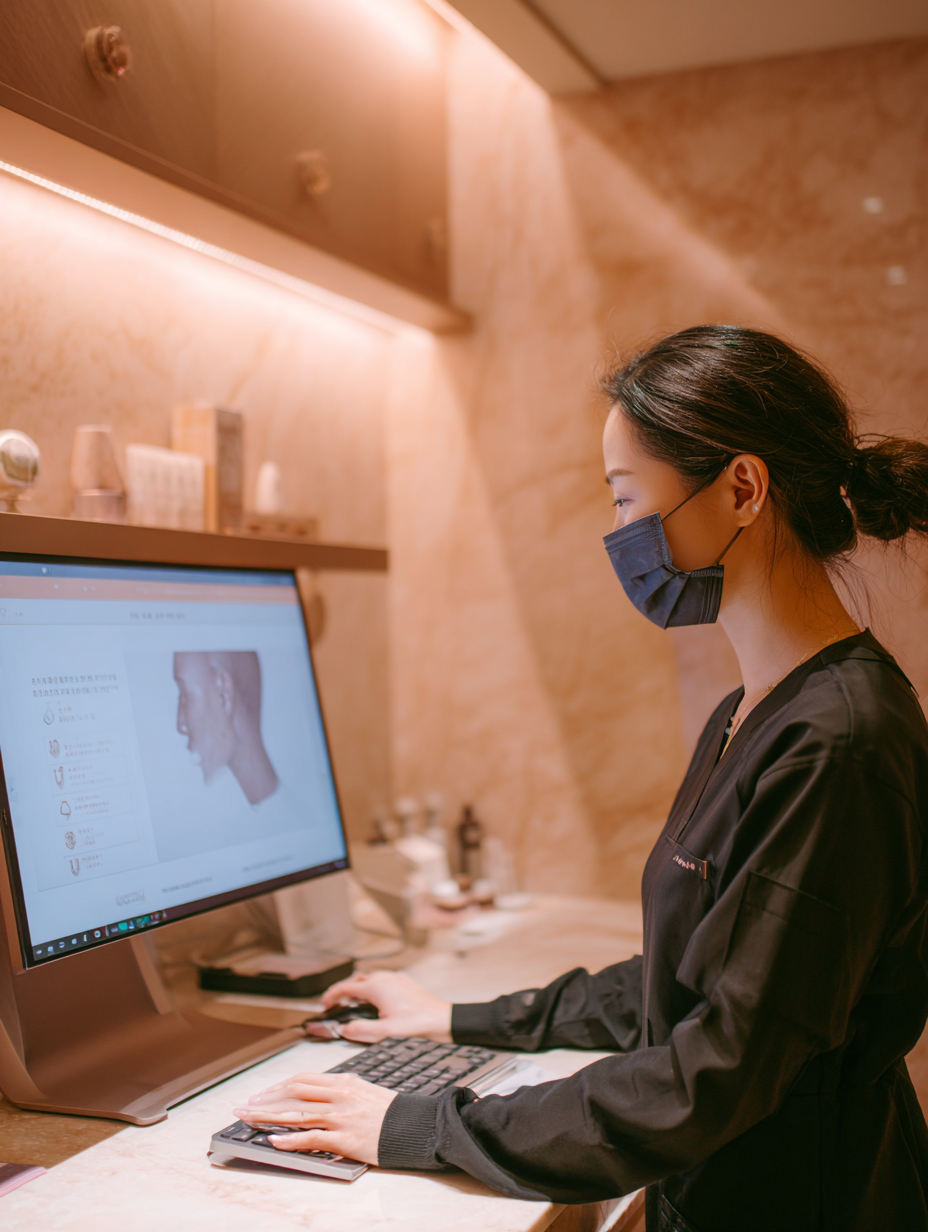
- Was a 3D CT scan used to confirm that enough septal cartilage remains?
- Does the surgeon have sufficient clinical experience with nose surgery using autologous tissue?
- Were you given an explanation of the resorption that can occur after implant-free nose surgery?



A Natural Look That Still Feels Like Your Own Nose Years Later
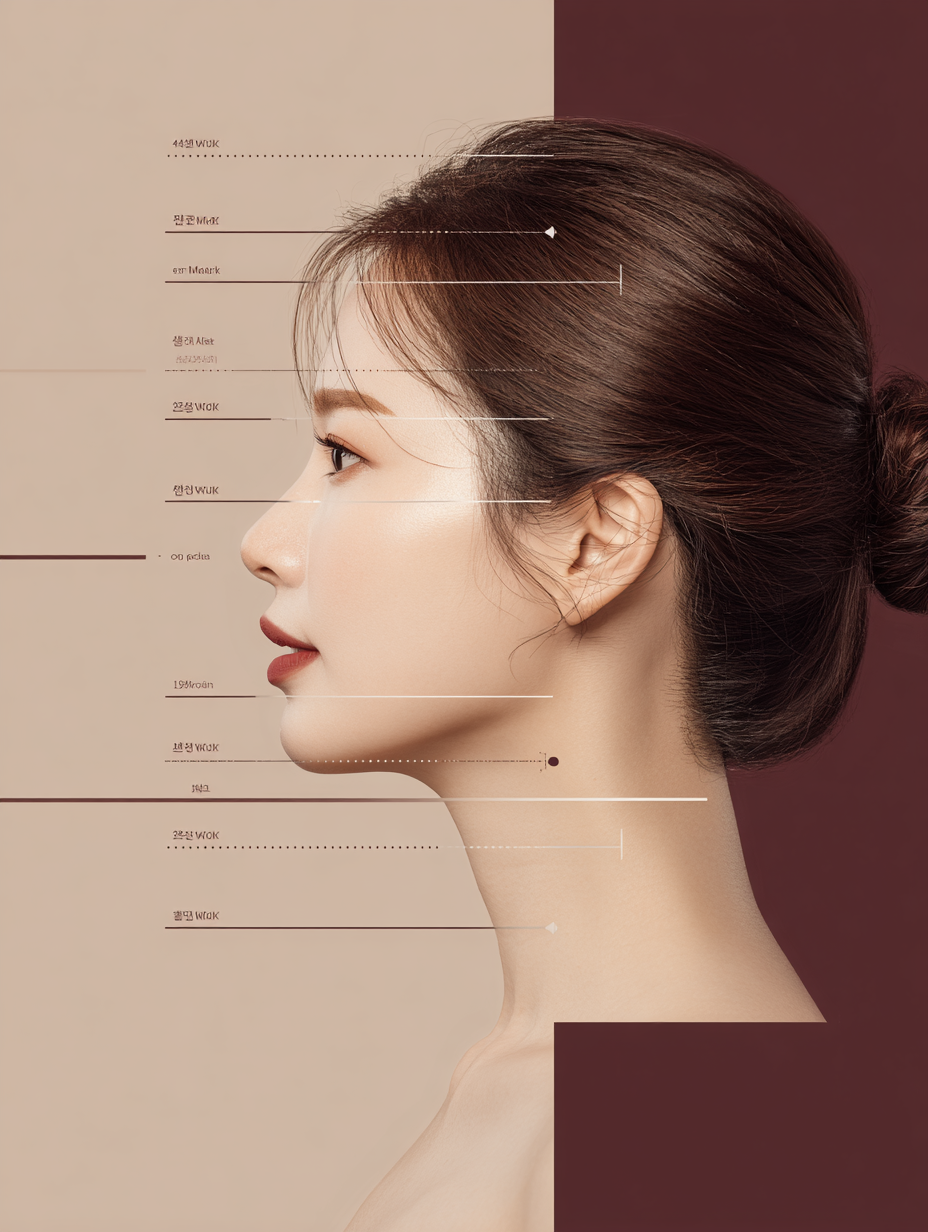
Quite a few people bring photos of a celebrity's nose to their consultation and ask for the same shape. But for those who choose implant-free nose surgery near Sinsa Station, what ultimately matters is whether the nose still looks like their own years later. The strength of this approach is that it doesn't look out of place over time, because the line is shaped around harmony with your face rather than the trend of the moment.
Key Takeaways
- Noses with an adequate bridge but a bulbous tip or a hump are good candidates for implant-free nose surgery.
- Implant-free nose surgery shapes the nose with septal cartilage, ear cartilage, and autologous dermis; candidacy is determined by nasal structure and the amount of cartilage available.
- It carries less of a foreign-body feel and a relatively low chance of inflammation or contracture, but silicone may be a better fit if you want to raise the bridge significantly, by 5 mm or more.
- Before surgery, be sure to check three precautions: a 3D CT scan, the surgeon's experience, and an explanation of resorption.
※ This content is provided for informational purposes. Surgical results may vary by individual, and side effects such as inflammation and bleeding may occur. It is written in compliance with Korea's Medical Service Act and is not intended to solicit patients for any particular clinic.

Last reviewed : 2026-10-08 This article provides general medical information. Individual diagnosis and treatment plans are determined through an in-person consultation.
Ruby News and Columns
We provide the publication dates and original posts confirmed on the official blog.





Get started with an easy inquiry or booking
Reach us by phone, messenger or online. Our chatbot is available 24 hours a day.