
Humpectomy Checklist: Causes, Techniques, and Recovery
For anyone considering humpectomy: what causes a dorsal hump, how surgical techniques are combined, a pre-surgery checklist, the recovery timeline, and FAQs.
A hooked nose is a nose shape in which the area where the nasal bone meets the cartilage protrudes, making the bridge look bumpy. In profile, the bridge may look raised or dipped, and even with a high bridge the nose can give a strong or harsh impression—which is why many people consider corrective surgery. But humpectomy isn't simply a matter of raising or shaving down the nose, so there are things you should check before surgery. Drawing on our clinical experience, Ruby Plastic Surgery has put together an overview of the causes, surgical methods, and recovery process.

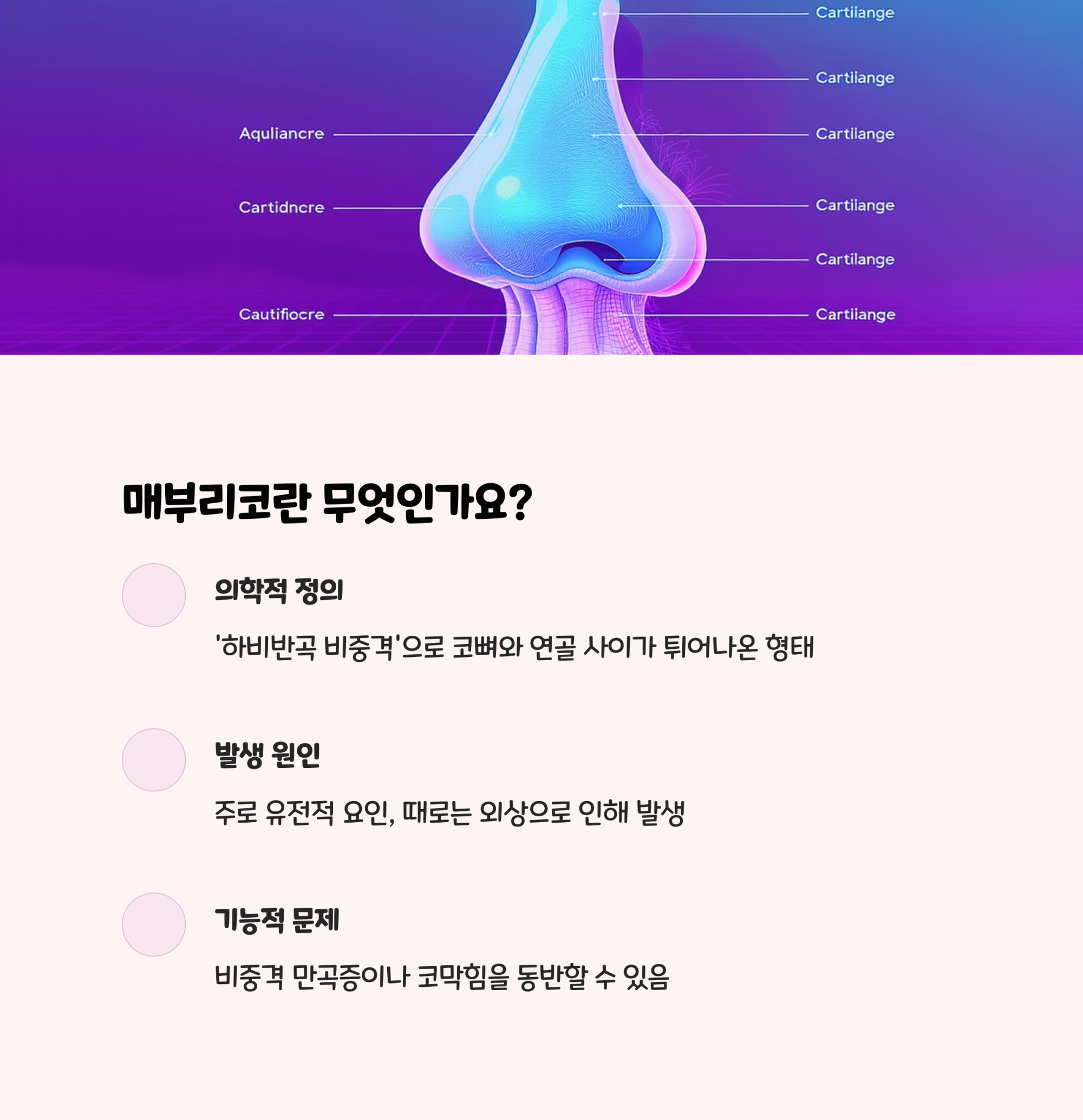
What Causes a Hooked Nose?
A hooked nose is mostly hereditary, but in quite a few cases it develops when the nasal bone heals incorrectly after an injury. Even among hooked noses, what needs attention in the surgical plan can differ depending on whether the shape is natural or the result of trauma. It often goes beyond a cosmetic concern and comes with functional problems such as a deviated septum or nasal congestion, so treatment is sometimes needed.

Is Shaving Down the Bump Enough?
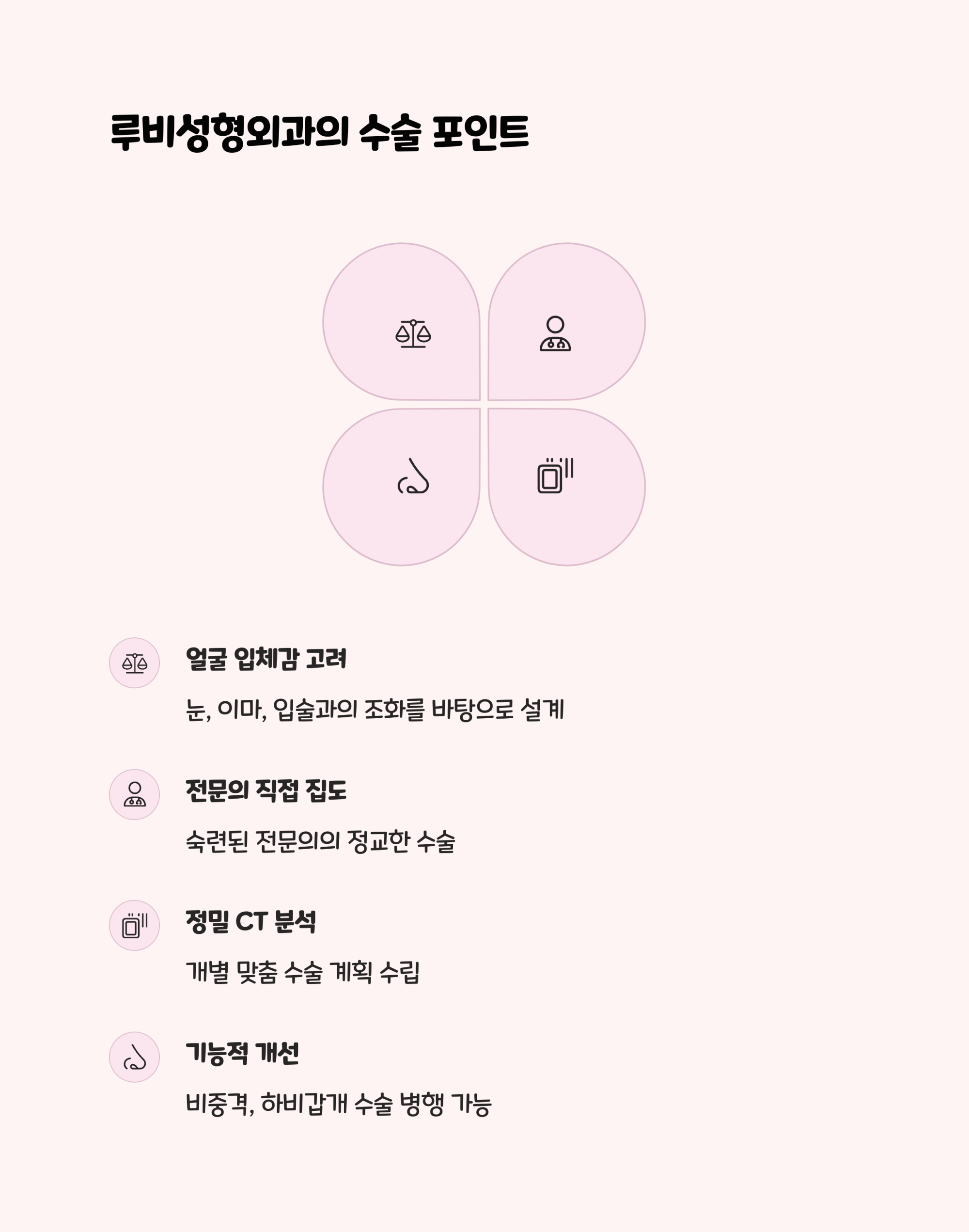
Humpectomy doesn't end with shaving down the protruding area. At Ruby Plastic Surgery, we consider the line and balance of the entire nose and combine the following methods:
- Removing the protruding nasal bone and cartilage
- Correcting the septum at the same time, if needed
- Placing an implant along the bridge in some cases
- Refining the tip to balance the overall line
Not all four are done every time; we choose and combine what's needed based on how prominent the hump is, the shape of the tip, and whether there are functional issues. If the overall proportions are overlooked, the bridge may come down while the tip ends up looking bulbous or droopy. That's why design by an experienced board-certified plastic surgeon matters.

A Self-Check Before Surgery
- Is the bridge the only issue? The tip position, nose length, and overall facial proportions should be analyzed together.
- Are there any functional problems? If you have a deviated septum, rhinitis, or nasal congestion, it's important to address function in the same surgery.
- Do you have a clear image of the nose you want? Rather than vaguely hoping for a "sharp nose," the design should be based on harmony with your face shape.
- Are your expectations realistic? At your consultation, make sure you understand the range of change surgery can achieve and set realistic expectations.
Recovery and Precautions
Humpectomy often includes an osteotomy (cutting the nasal bone), so recovery can take a little longer.
Ruby Plastic Surgery's Approach to Humpectomy
In humpectomy, Ruby Plastic Surgery prioritizes a design that considers facial dimension over simple correction. We aim for a natural, softer nasal line in harmony with your eyes, forehead, and lips, and if you have functional discomfort, we also review septal or inferior turbinate surgery. An experienced specialist personally performs every surgery, and each surgical plan is built on a detailed CT scan and consultation.

Humpectomy FAQ
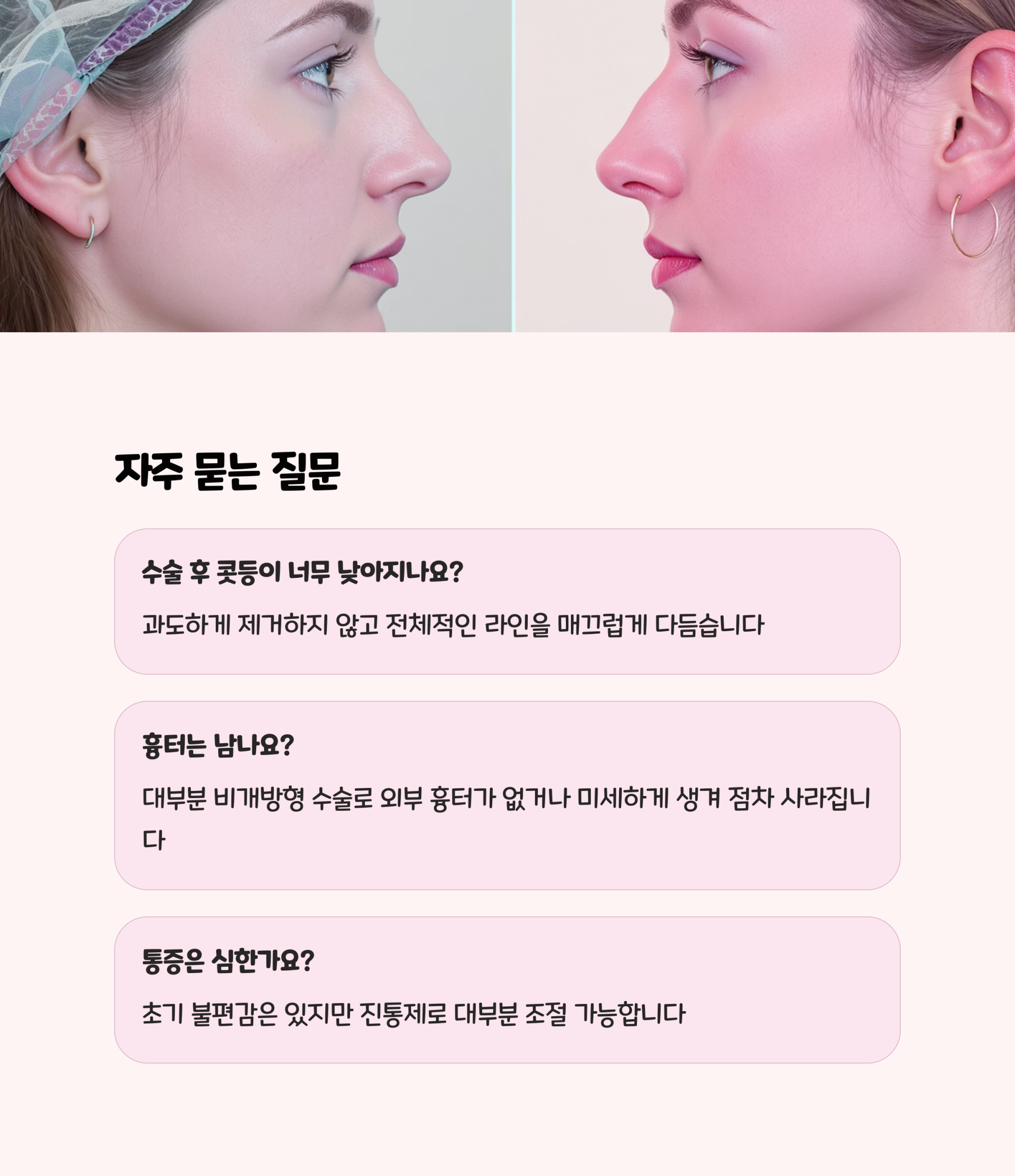
Will my bridge end up too low? We avoid removing too much, and we smooth the overall line with an implant and tip shaping.
Will there be a scar? Most cases are done with a closed approach, so no scar is visible from the outside. Even with an open approach, a very fine scar under the columella fades over time.
Is it very painful? Because the surgery involves bone, there's some discomfort early on, but in most cases it's managed with prescribed pain medication.
Can functional problems be fixed at the same time? If you have functional issues such as nasal congestion or a deviated septum, they can be addressed in the same surgery.
How much does it cost? It varies with your individual condition and whether functional surgery is included, so please get an exact quote at your consultation.

Summary
Humpectomy isn't just about refining the bridge—it's a significant decision that changes both your look and how your nose functions. Because appearance, functional improvement, and overall facial harmony all need to be considered, a thorough pre-surgical diagnosis and careful surgical plan lead to a satisfying result.
Last reviewed: 2026-10-07
This article provides general medical information. Individual diagnosis and treatment plans are determined through an in-person consultation.
Ruby News and Columns
We provide the publication dates and original posts confirmed on the official blog.





Get started with an easy inquiry or booking
Reach us by phone, messenger or online. Our chatbot is available 24 hours a day.