
Nose Revision in Gangnam: Why Surgery Fails and When to Redo
Unhappy with your first nose surgery? Learn the causes behind each type of failed result, the 6–12 month golden window for revision, and why it costs more.
If you sigh every time you look in the mirror after your first nose surgery, you need to be far more careful about the next one. Deciding on nose revision takes many times more courage than the first surgery, and it often comes with disappointment over unexpected results or distress from side effects. In the Sinsa Station area, packed with clinics, finding a specialist who will get it right this time is even harder. Ruby Plastic Surgery near Sinsa Station in Gangnam explains, step by step, the root causes of failed nose surgery, the right timing for revision, and why the cost is higher.
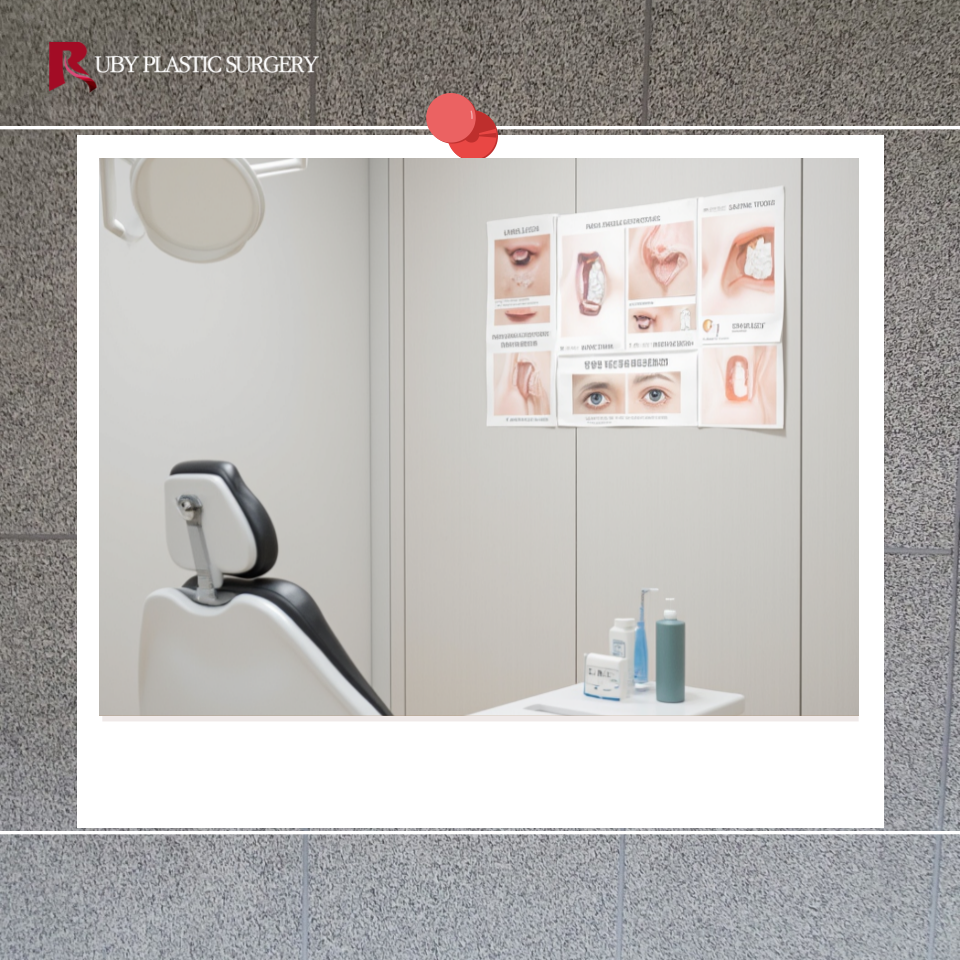
Start by Identifying Why the First Surgery Failed
Knowing the answer to "Why did my nose end up like this?" is the starting point for a successful nose revision. In most cases, a failed first surgery isn't bad luck — there's a clear cause. The typical types of failure and their causes are as follows.
What needs to be corrected in nose revision depends on whether the cause is the implant, the tip support structure, or contracture.
Why You Shouldn't Rush Nose Revision
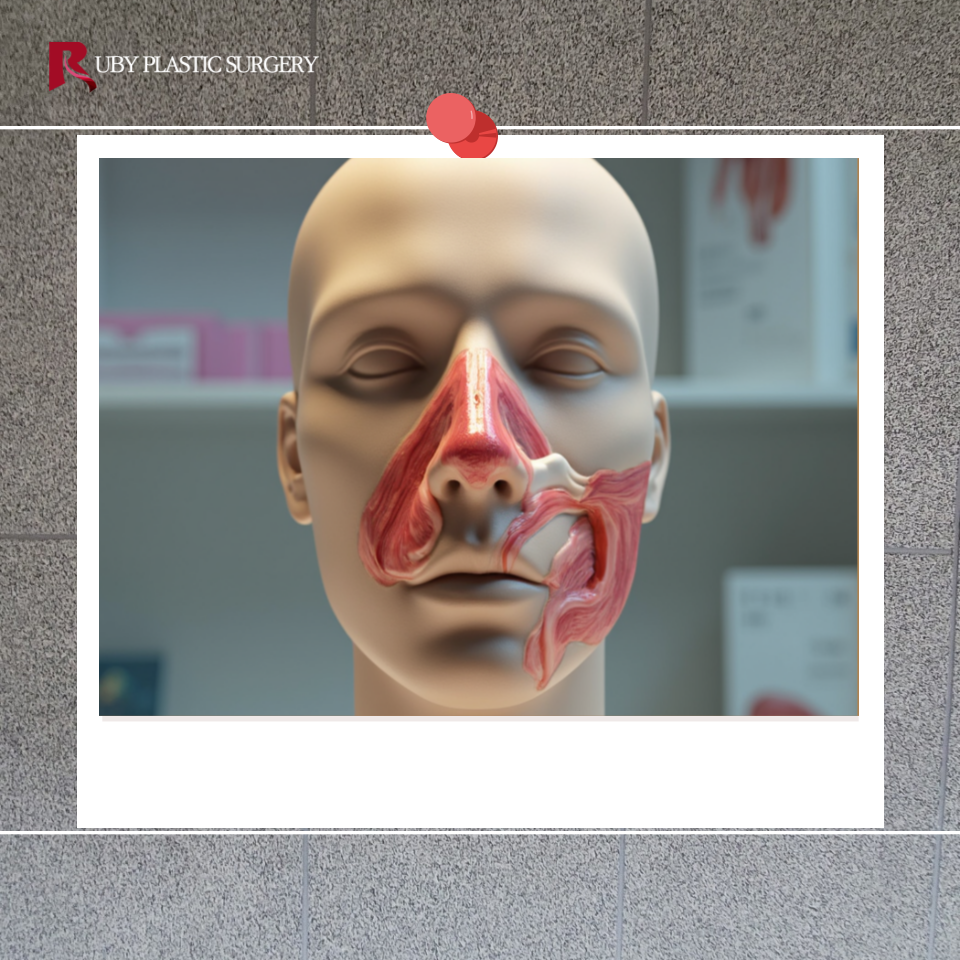
Being unhappy with the result doesn't mean you can have revision surgery right away. Rushing into it can actually make things worse. The golden window for revision is generally considered to be at least 6 months to 1 year after the first surgery, when the tissues have softened and scars have fully matured. Operating during this window allows for precise correction while minimizing damage to internal tissues.
Why Revision Costs More Than the First Surgery
Many people are surprised when they hear the cost during a revision consultation. Nose revision costs more than the first surgery not simply because it's a second operation, but because the difficulty, complexity, and materials used are entirely different. That's why nose revision is considered closer to reconstructive surgery than to simple cosmetic surgery.

A Recap to Avoid Repeating the Same Failure
- First, get an accurate diagnosis of where the failure began: the implant, the tip, or contracture.
- Wait at least 6 months to 1 year after the first surgery, until the tissues have softened.
- Approach nose revision as treatment rather than cosmetic surgery, and entrust it to an experienced specialist.
Last reviewed: 2026-10-07
This article provides general medical information. Individual diagnosis and treatment plans are determined through an in-person consultation.
Ruby News and Columns
We provide the publication dates and original posts confirmed on the official blog.





Get started with an easy inquiry or booking
Reach us by phone, messenger or online. Our chatbot is available 24 hours a day.