
Nose Surgery Infection Near Sinsa Station: Causes, Signs & Treatment
For anyone worried about infection after nose surgery: the four main causes, the signs that set it apart from normal swelling, and how it's prevented and treated, answered question by question.
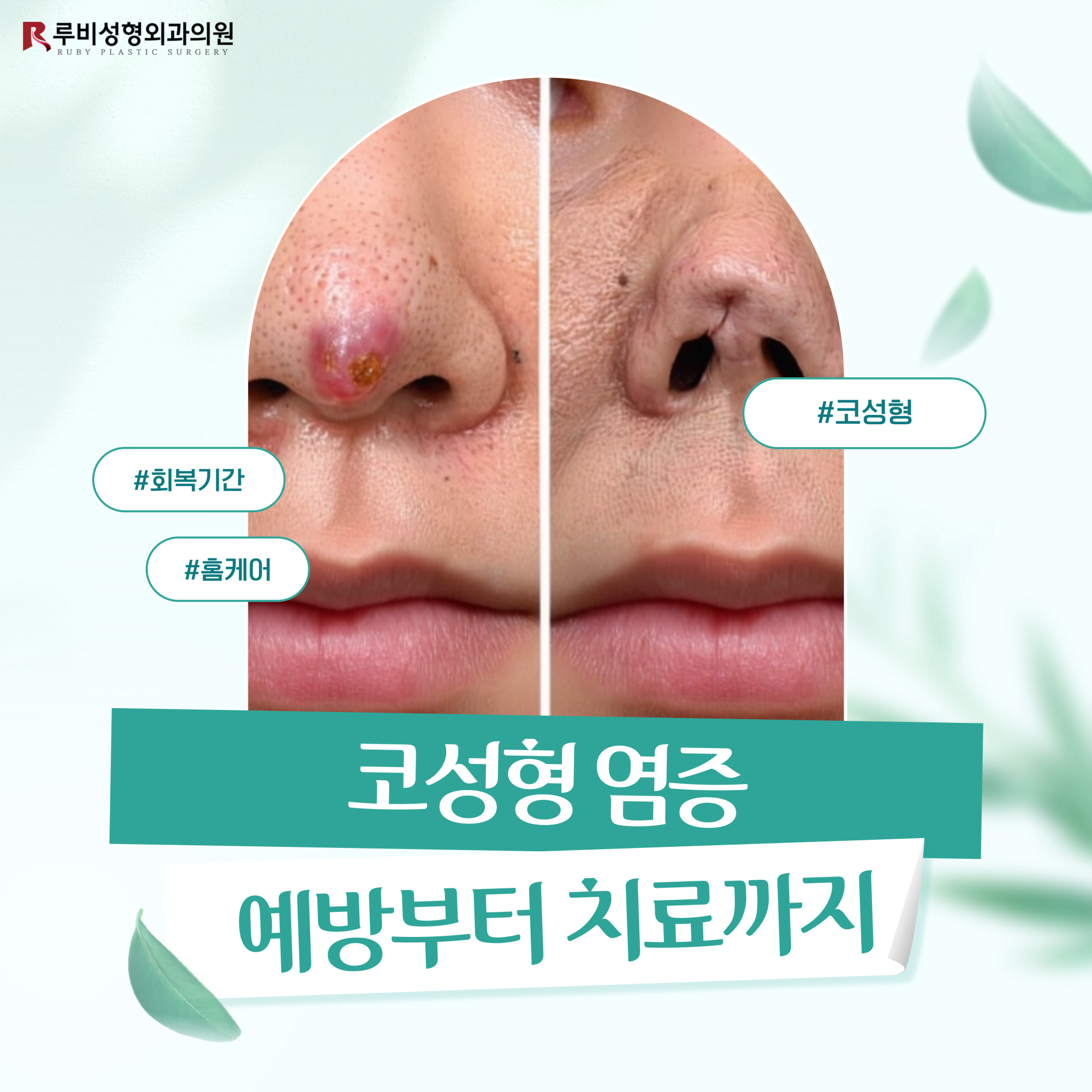
Infection after nose surgery is rare, but it's a side effect almost anyone planning a nose surgery worries about at some point. Knowing the causes and warning signs ahead of time helps you prevent it, and if it does happen, act quickly and recover. For those preparing for nose surgery at a plastic surgery clinic near Sinsa Station, we've put together a Q&A on what causes infection, how its symptoms differ from normal healing, and how it's prevented and treated.

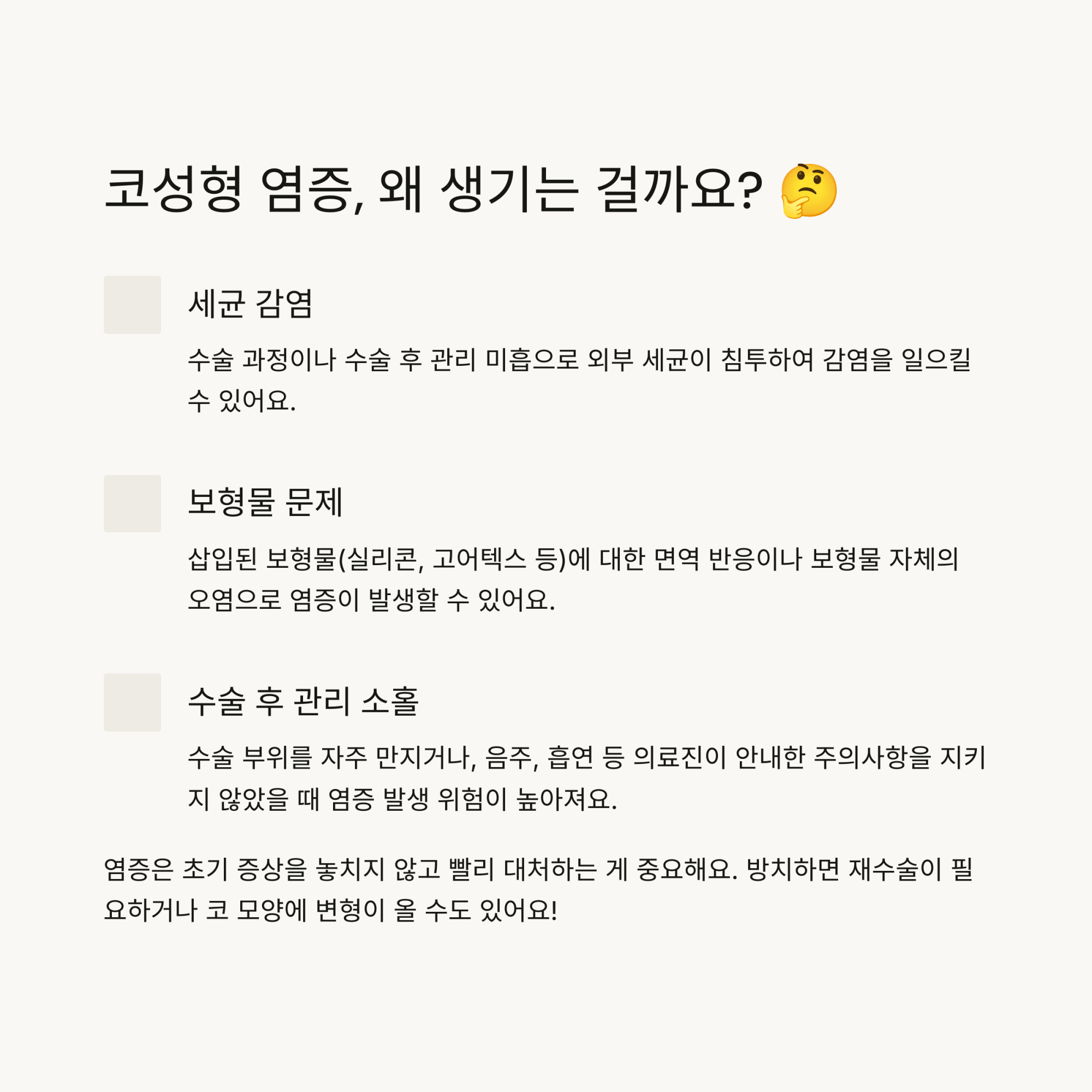
Why does infection happen after nose surgery?
The causes fall into four main categories.
- Bacterial infection — The most common cause. Bacteria from outside can enter during surgery or when post-operative care is inadequate. Because it's a surgical site, hygiene deserves extra attention.
- Implant-related issues — An immune reaction to implants such as silicone or Gore-Tex, or contamination of the implant itself, can lead to infection.
- Neglected aftercare — Frequently touching the surgical site or ignoring the precautions your care team gave you, such as avoiding alcohol and smoking, raises the risk of infection.
- Individual constitution — In rare cases, an allergic reaction to certain materials or an overactive immune response can be the cause.
With nose surgery infection, the most important thing is to catch the early symptoms and respond quickly. Left untreated, it may require revision surgery or, in severe cases, distort the shape of the nose.
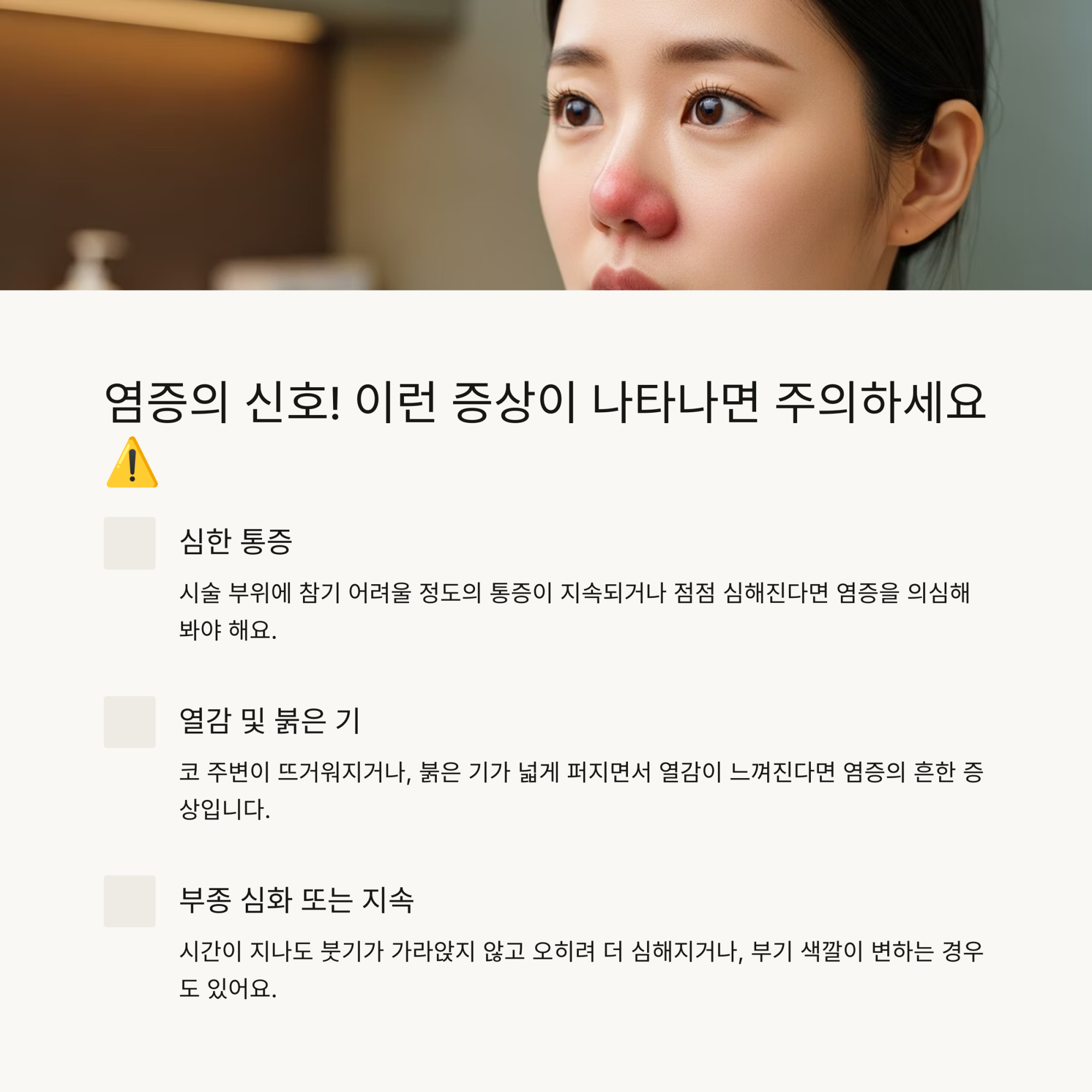
How can I tell normal swelling from signs of infection?
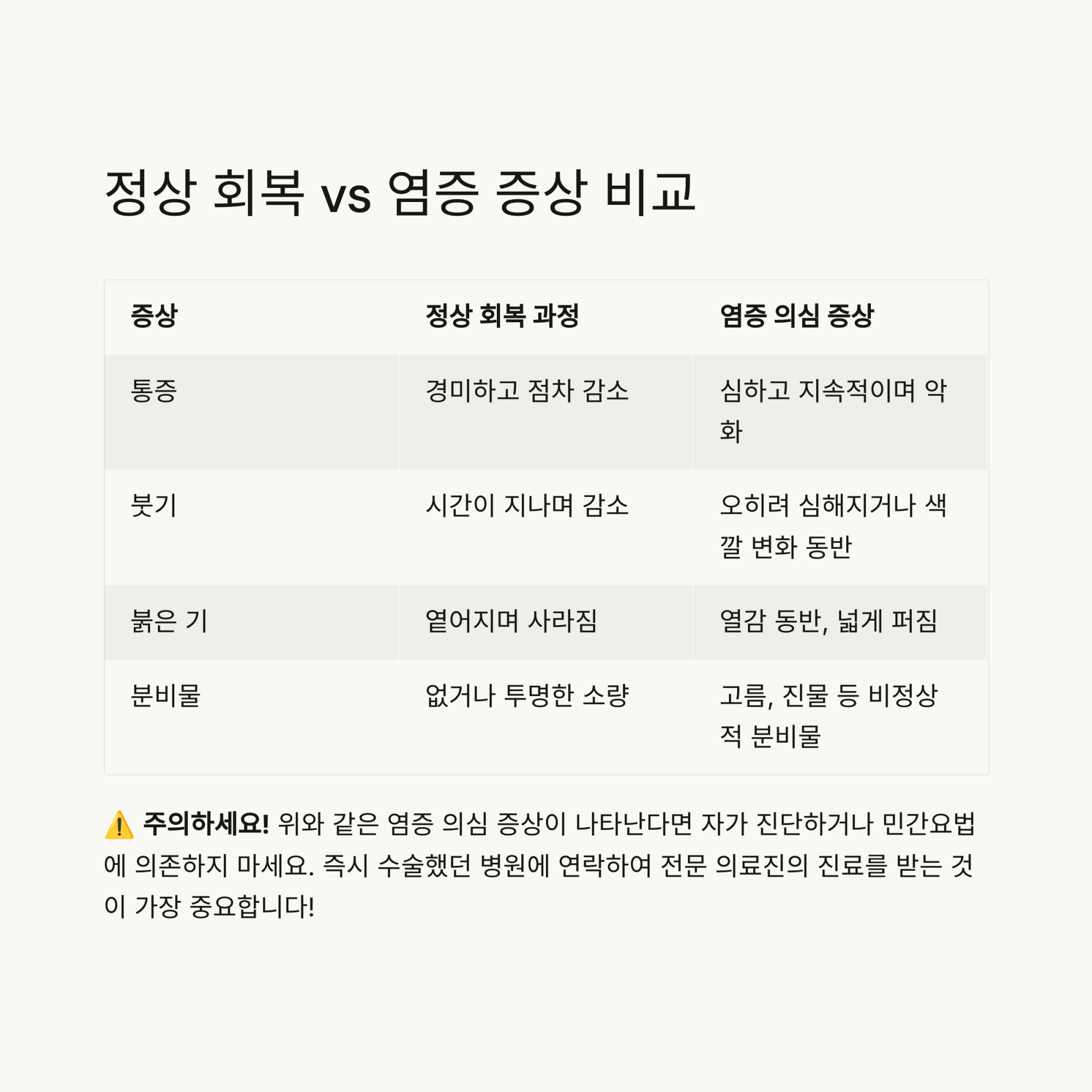
Swelling and bruising are common after nose surgery, even during normal healing. But infection brings other symptoms along with it. If you notice any of the signs below, contact the clinic that performed your surgery right away.
- Severe pain: Pain at the surgical site stays unbearable or keeps getting worse.
- Warmth and redness: The area around the nose feels hot and redness spreads widely.
- Worsening or persistent swelling: Swelling doesn't go down over time, gets worse, or changes color.
- Pus or discharge: Yellow or cloudy pus or discharge is the clearest sign. Don't wait — go to the clinic.
- Change in nose shape: The nose looks crooked, or the implant becomes visible through the skin.
- Chills and fever: If the infection spreads through the body, you may get chills and a fever, as if you had the flu.
How is it prevented and treated?
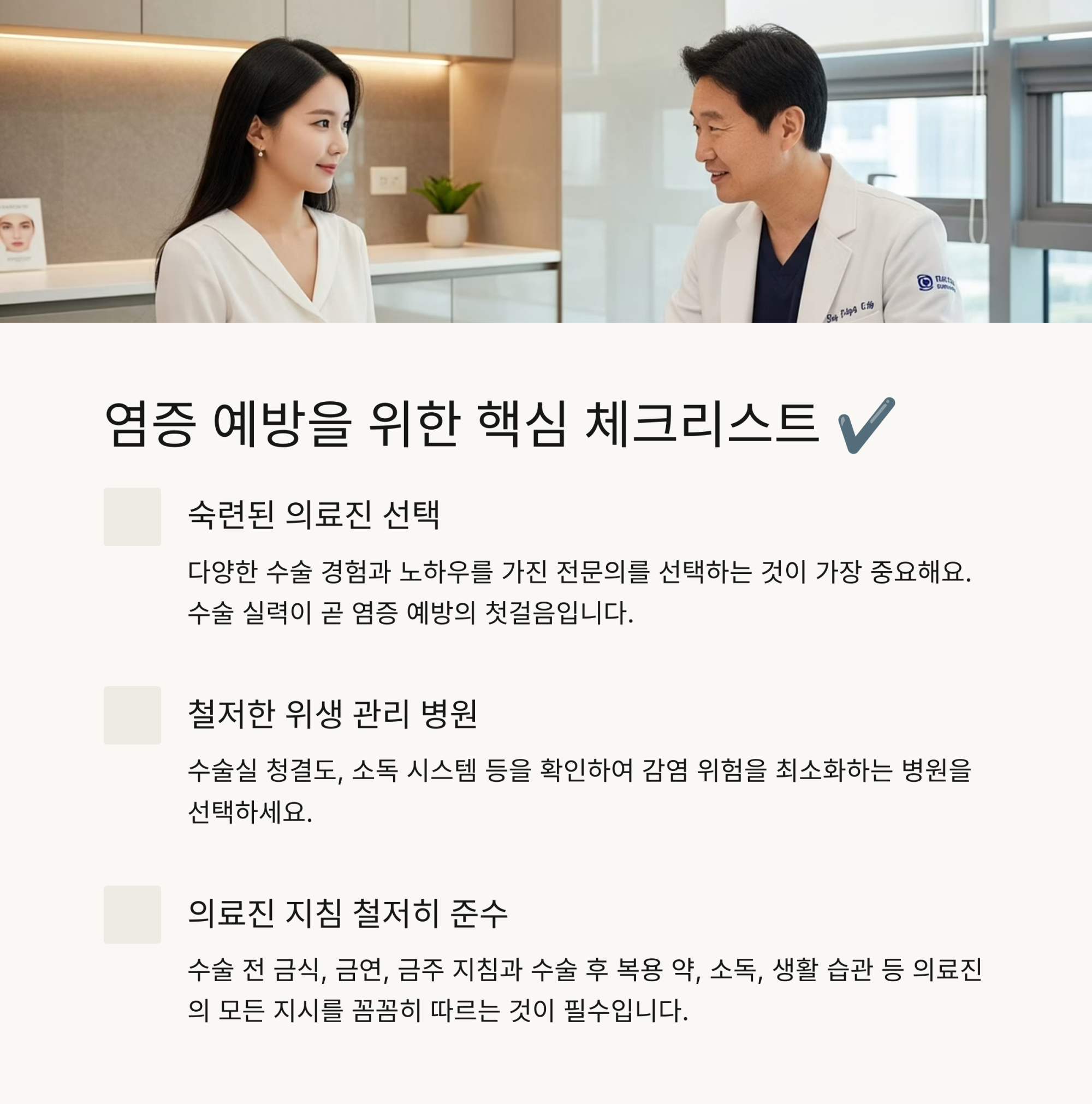
Nose surgery infection is largely preventable, and if it does occur, proper treatment allows you to recover. Ultimately, it comes down to how well you prepare before surgery and how quickly you respond when a problem arises.
The first step in prevention is choosing an experienced specialist. Next comes the clinic's hygiene before and after surgery and following your care team's instructions closely. Since the implant itself can be a cause, it's also worth confirming that the clinic uses trusted materials.
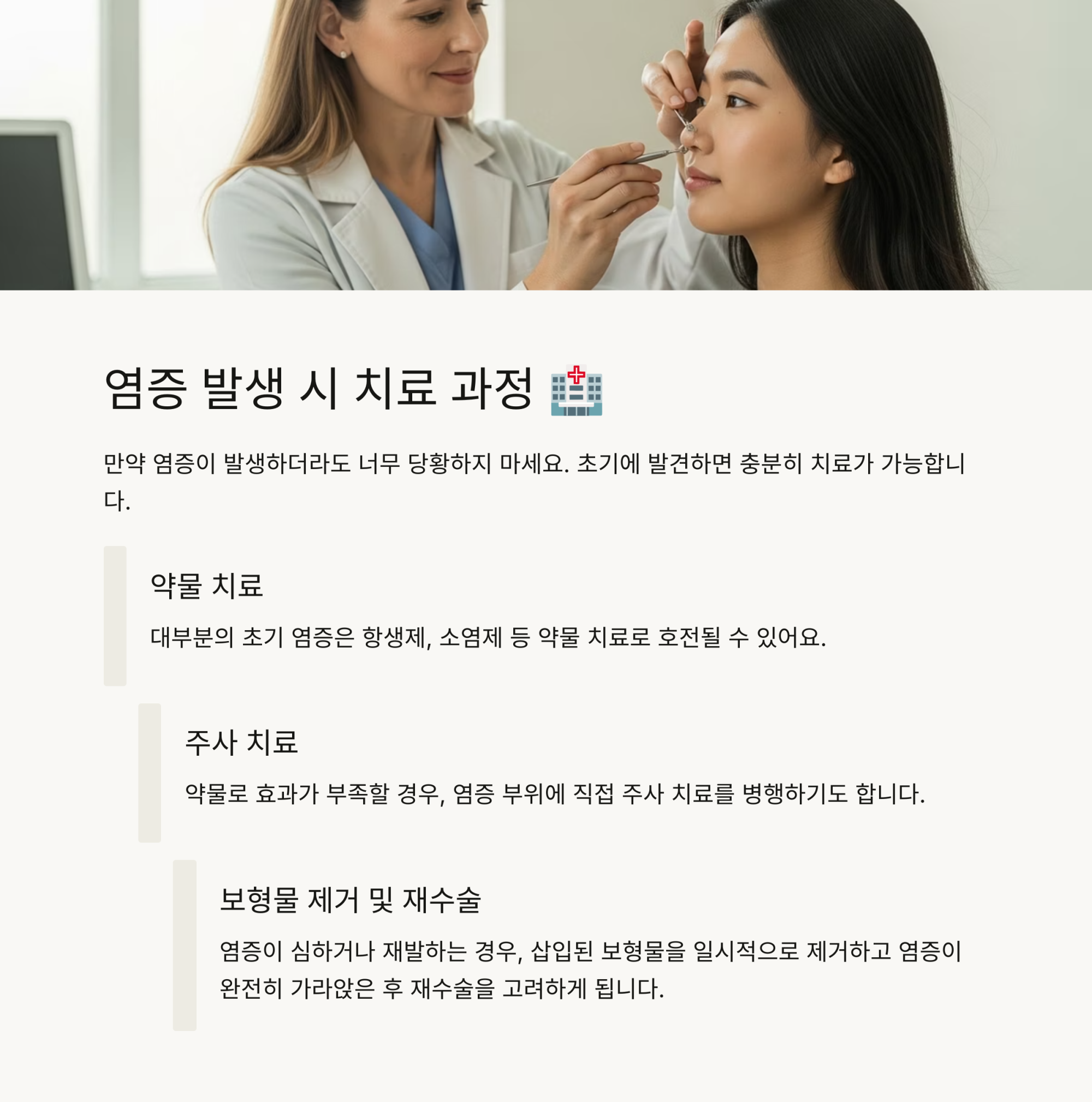
If you notice suspicious symptoms, don't try to judge them yourself or rely on home remedies. Contact the clinic that performed your surgery immediately and get examined by a specialist. If the infection is severe, doesn't respond to medication, or keeps coming back, the implant in the infected area is removed, and revision surgery is considered after the infection has fully cleared.
When does nose surgery infection occur?
It usually appears within a few days to a few weeks after surgery, but in rare cases it can show up months or even years later. That's why it's important to keep an eye on your nose throughout the recovery period.
Know ahead, be prepared
- Causes: bacterial infection, immune reaction to or contamination of the implant, neglected aftercare, individual constitution.
- Signs: worsening pain, spreading redness and warmth, swelling that won't go down, pus or discharge, chills and fever.
- Response: see your clinic immediately without self-diagnosing; if severe or recurring, consider implant removal followed by revision surgery.
There's no need to give up on the change you want because you're worried about infection. Accurate information and a careful choice of clinic are the starting point for safe nose surgery.
Last reviewed: 2026-10-07 This article provides general medical information. Individual diagnosis and treatment plans are determined through an in-person consultation.
Ruby News and Columns
We provide the publication dates and original posts confirmed on the official blog.





Get started with an easy inquiry or booking
Reach us by phone, messenger or online. Our chatbot is available 24 hours a day.