
Ptosis Surgery: Timing, Vision Loss, Insurance & Recovery
If your eyes always look sleepy: a ptosis self-check, when to have surgery, Korean private insurance (silbi) criteria, and recovery care by stage.
If people often tell you that you "look tired" or "look sleepy," or you find yourself straining your forehead to open your eyes, it may be more than simple fatigue: it could be a sign of ptosis (droopy upper eyelids). Ptosis is easily seen as a cosmetic issue, but left untreated it can lead to astigmatism and even reduced vision, making it closer to a medical condition. Ruby Plastic Surgery in Gangnam explains why you shouldn't delay ptosis surgery, the criteria for Korean private medical insurance (silbi) coverage, and how to care for yourself during recovery.

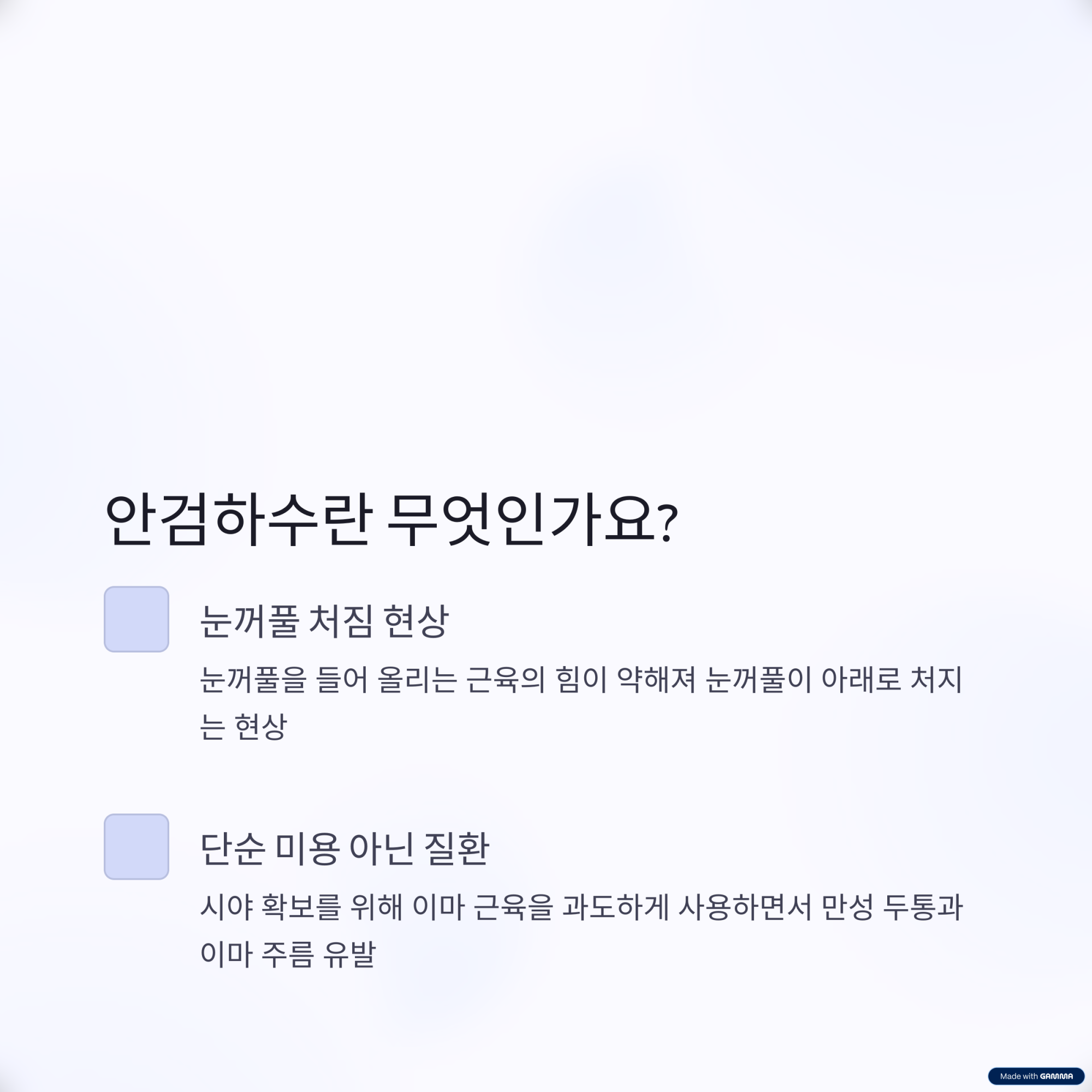
What Is Ptosis, and Why Shouldn't You Put It Off?
Ptosis is a condition in which the muscle that lifts the eyelid weakens, causing the eyelid to droop. It's not just about appearance. Forcing the forehead muscles to work to keep your field of vision clear can cause chronic headaches and forehead wrinkles, and in some cases headaches improve after surgery. If functional improvement is needed, it's a good idea to seriously consider ptosis surgery.
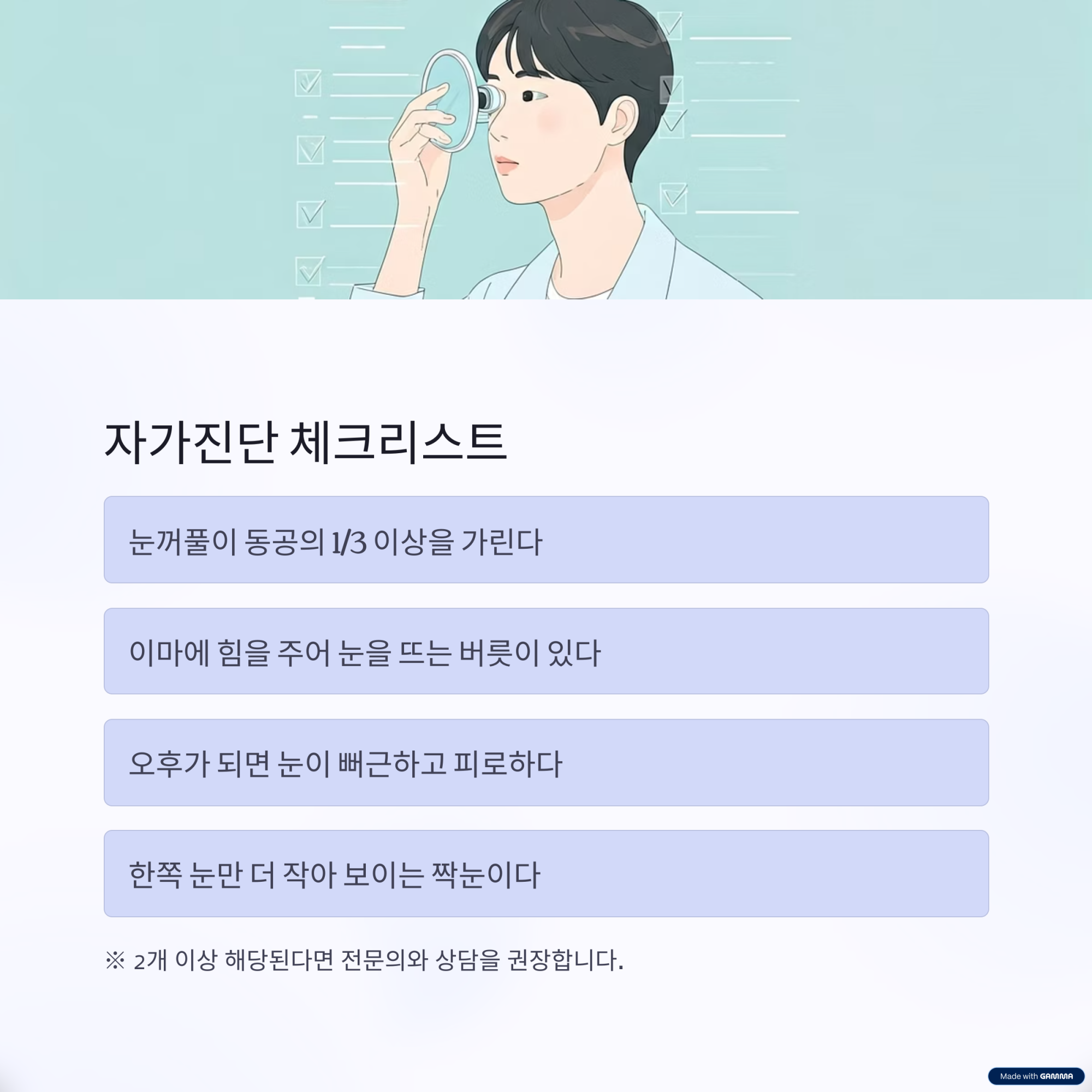
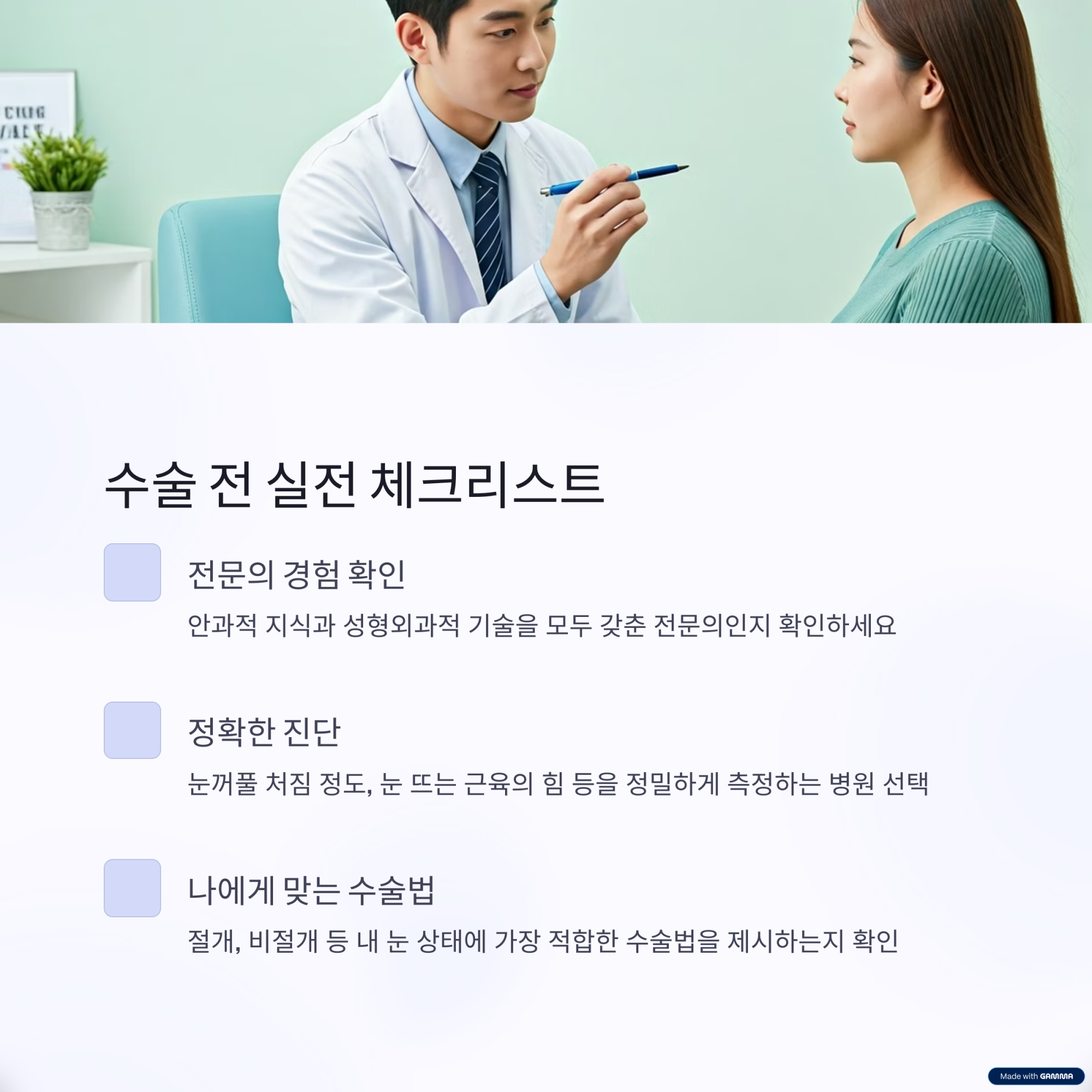
If two or more of the items below apply to you, we recommend a consultation with a specialist.
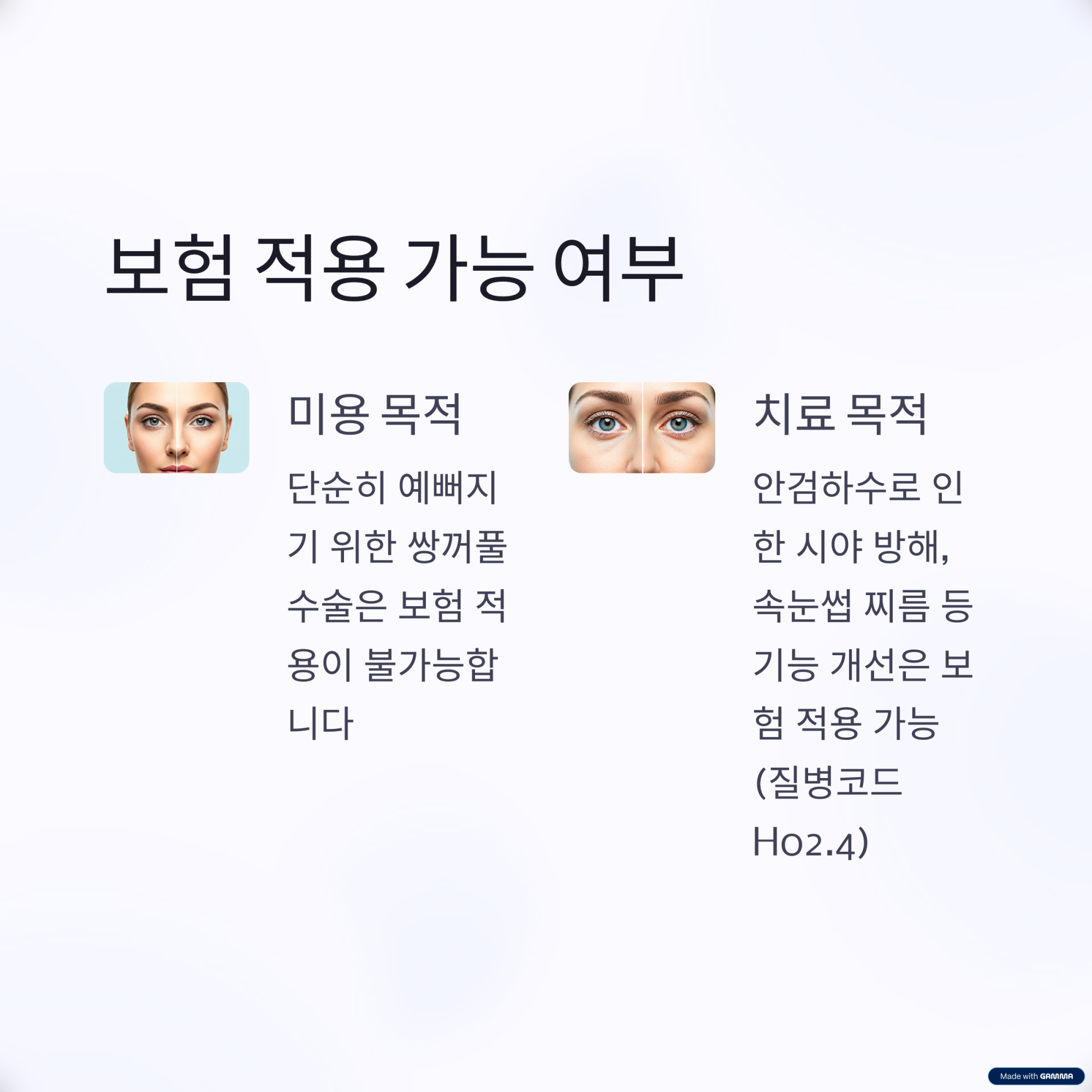
Surgery Cost and Private Insurance Coverage
Cost depends on your eye condition, the surgical method (such as incisional or non-incisional), and the clinic. More important is whether private medical insurance (silbi) applies. Cosmetic double eyelid surgery is not covered, but if ptosis surgery is recognized as medically necessary, you may receive silbi insurance benefits. If you obtain a medical certificate from the clinic that includes the diagnosis code (H02.4) and submit it to your insurer, you may be reimbursed the amount minus your deductible, depending on your policy terms. That's why it's important to get an accurate diagnosis from an experienced medical team.
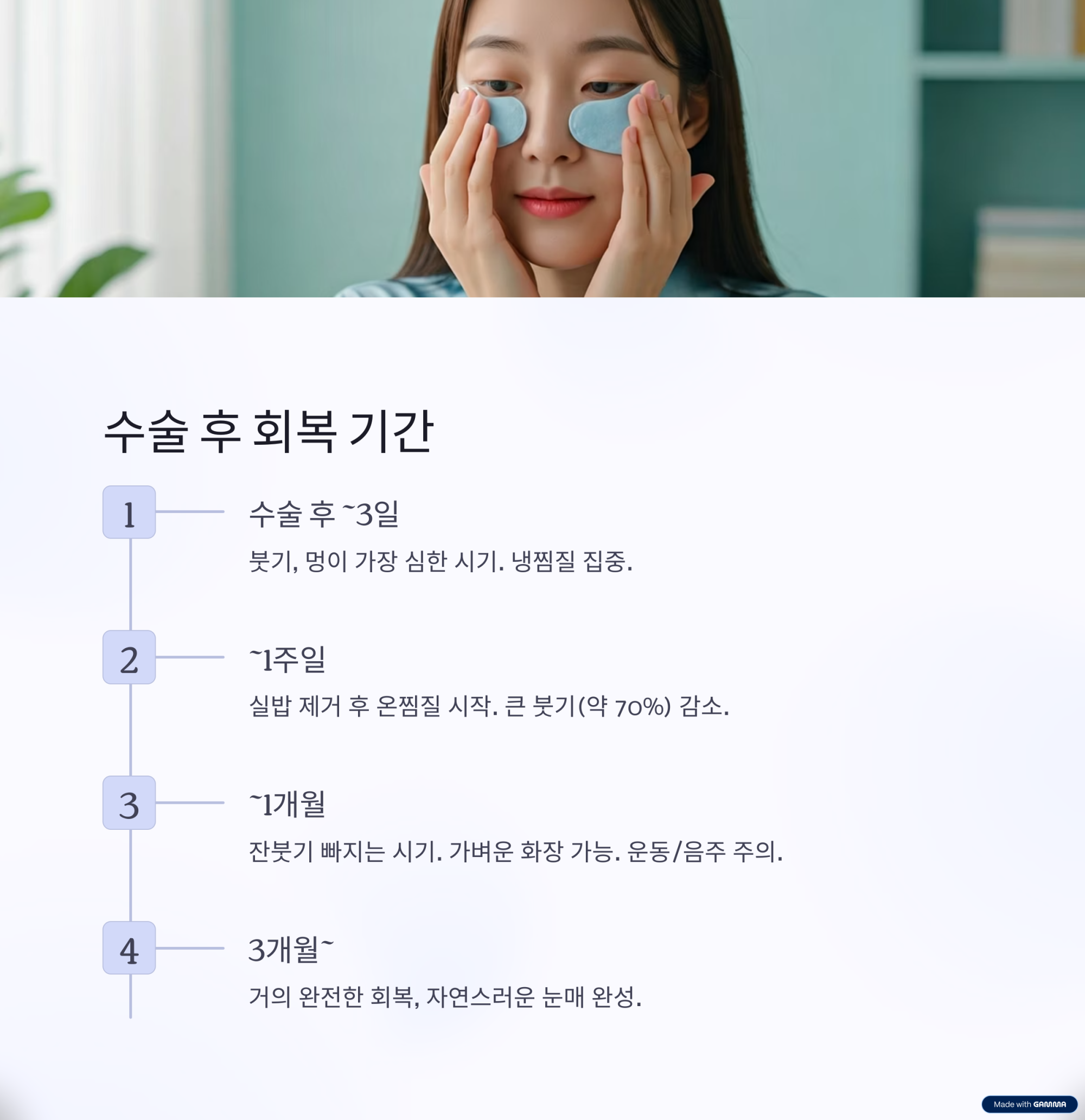
Recovery Time and Aftercare
Recovery speed varies from person to person, but the general course looks like this. Swelling peaks around days 3 to 4 after surgery, and after about a week roughly 70% of the major swelling subsides, allowing you to return to daily life. Residual swelling goes down gradually over 1 to 3 months as the eyes settle into a natural shape.
During recovery, it's important to combine cold and warm compresses and to use the eye drops and ointment prescribed by the clinic consistently. Light walks support circulation and help reduce swelling, but strenuous exercise, alcohol, and smoking must be avoided for about a month.
Don't Miss the Right Time for Ptosis Surgery
- Ptosis is a weakening of the muscle that lifts the eyelid; left untreated, it can cause headaches and forehead wrinkles, and even astigmatism and reduced vision.
- If medical necessity is recognized, you can file a silbi insurance claim with a medical certificate listing diagnosis code H02.4; reimbursement depends on your policy terms.
- Swelling peaks on days 3–4, you can return to daily life after a week, and the eyes settle in over 1 to 3 months.
Ptosis goes beyond cosmetics and directly affects your vision and quality of life. We recommend getting an accurate diagnosis from a trusted clinic and deciding on the timing of your surgery.
Last reviewed: 2026-10-07 This article provides general medical information. Individual diagnosis and treatment plans are determined through an in-person consultation.
Ruby News and Columns
We provide the publication dates and original posts confirmed on the official blog.





Get started with an easy inquiry or booking
Reach us by phone, messenger or online. Our chatbot is available 24 hours a day.