
Why Double Eyelids Fade and How Revision Surgery Helps | Sinsa Station
For anyone considering revision because their double eyelid crease keeps fading: the three main causes, how revision methods differ, and how to keep the crease from fading again.
A fading double eyelid crease usually has a clear cause, and identifying that cause first also sets the direction for revision surgery. For anyone whose carefully created crease has blurred or disappeared, leaving them wondering "why does mine keep fading?", Ruby Plastic Surgery near Sinsa Station in Gangnam walks through the causes, what to check before revision, and the aftercare that keeps the crease from fading after revision.
When a crease fades, it's not just the shape of your eyes that changes. The prospect of another surgery becomes a burden, and confidence can drop. Still, with accurate information, you can absolutely get back the eye shape you want.
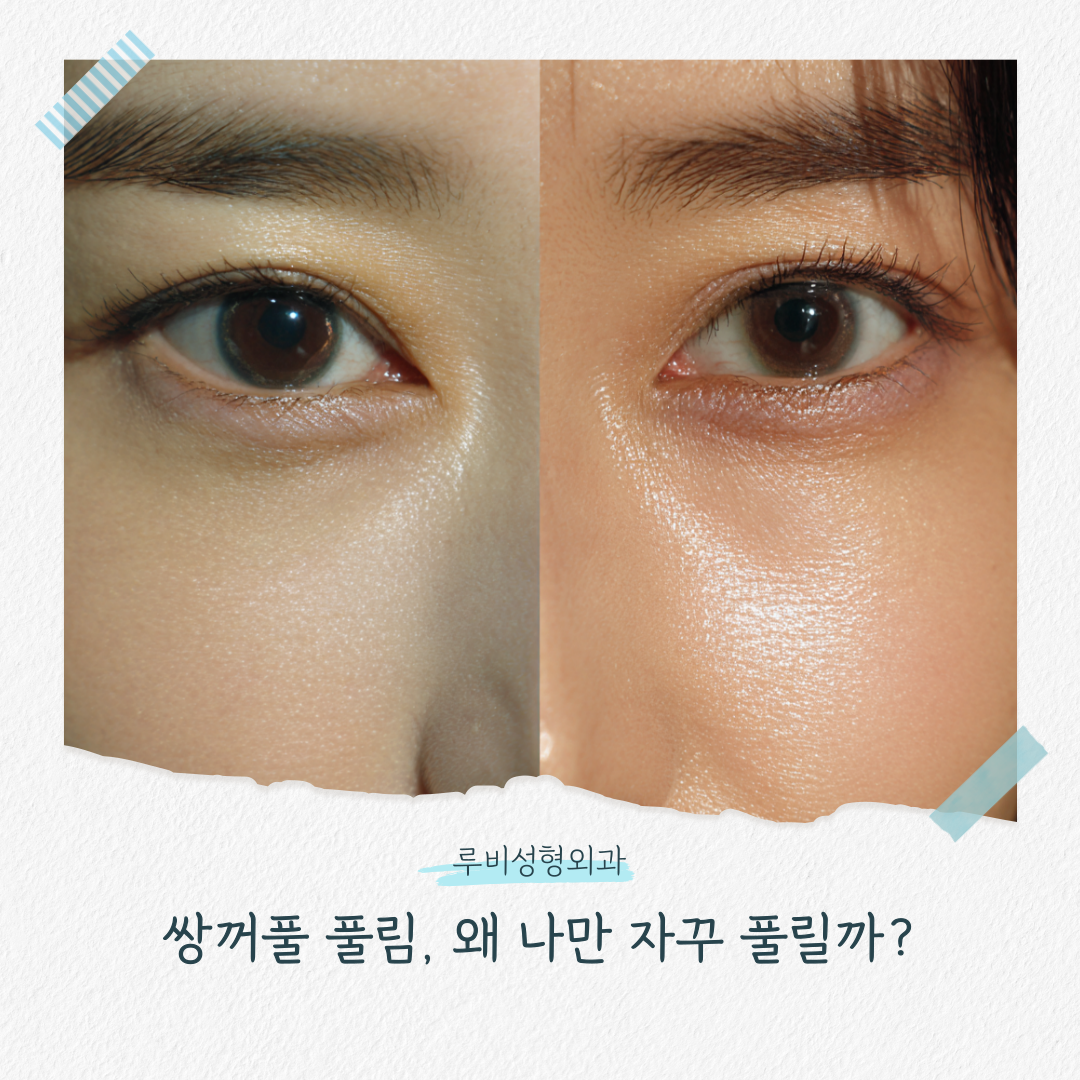
Three causes of a fading double eyelid
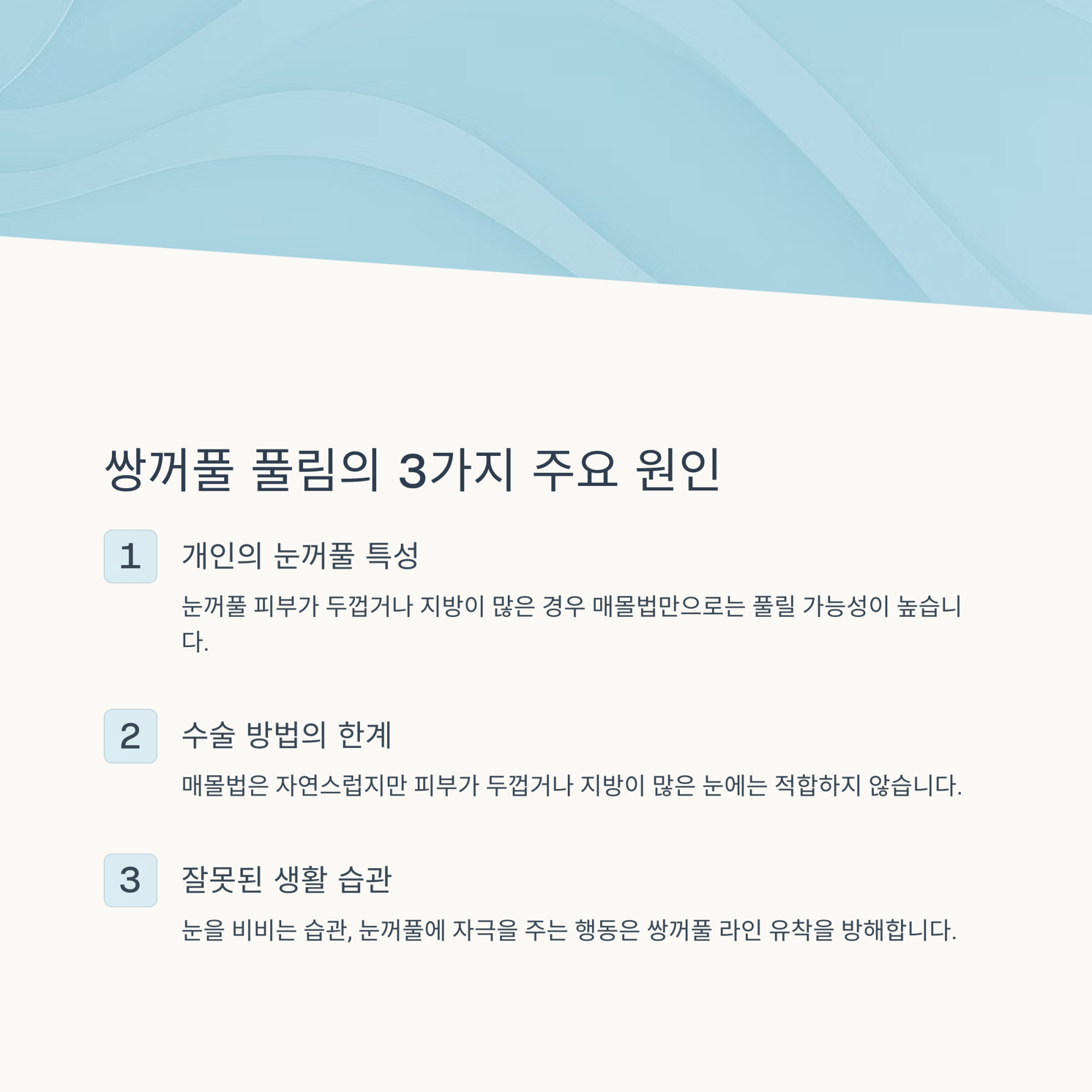
There are many reasons a double eyelid crease can fade, but they fall into three broad categories.
The eyelid itself. Eyes with thick eyelid skin, a lot of fat, or ptosis (droopy eyelids) are hard to hold with the non-incisional (suture) method alone, so the crease is more likely to fade.
A mismatch between surgical method and eye type. The non-incisional method has the advantage of a natural-looking crease, but on thick, fatty eyelids it can come undone easily. In these cases, choosing a technique that doesn't suit the eye becomes the limiting factor.
Lifestyle habits. Frequently rubbing your eyes or putting constant pressure on the eyelids can interfere with how the crease adheres, which can lead to fading.
For a successful revision, you first need to pinpoint which of these causes was at work. Understanding the cause is the first step of revision surgery.
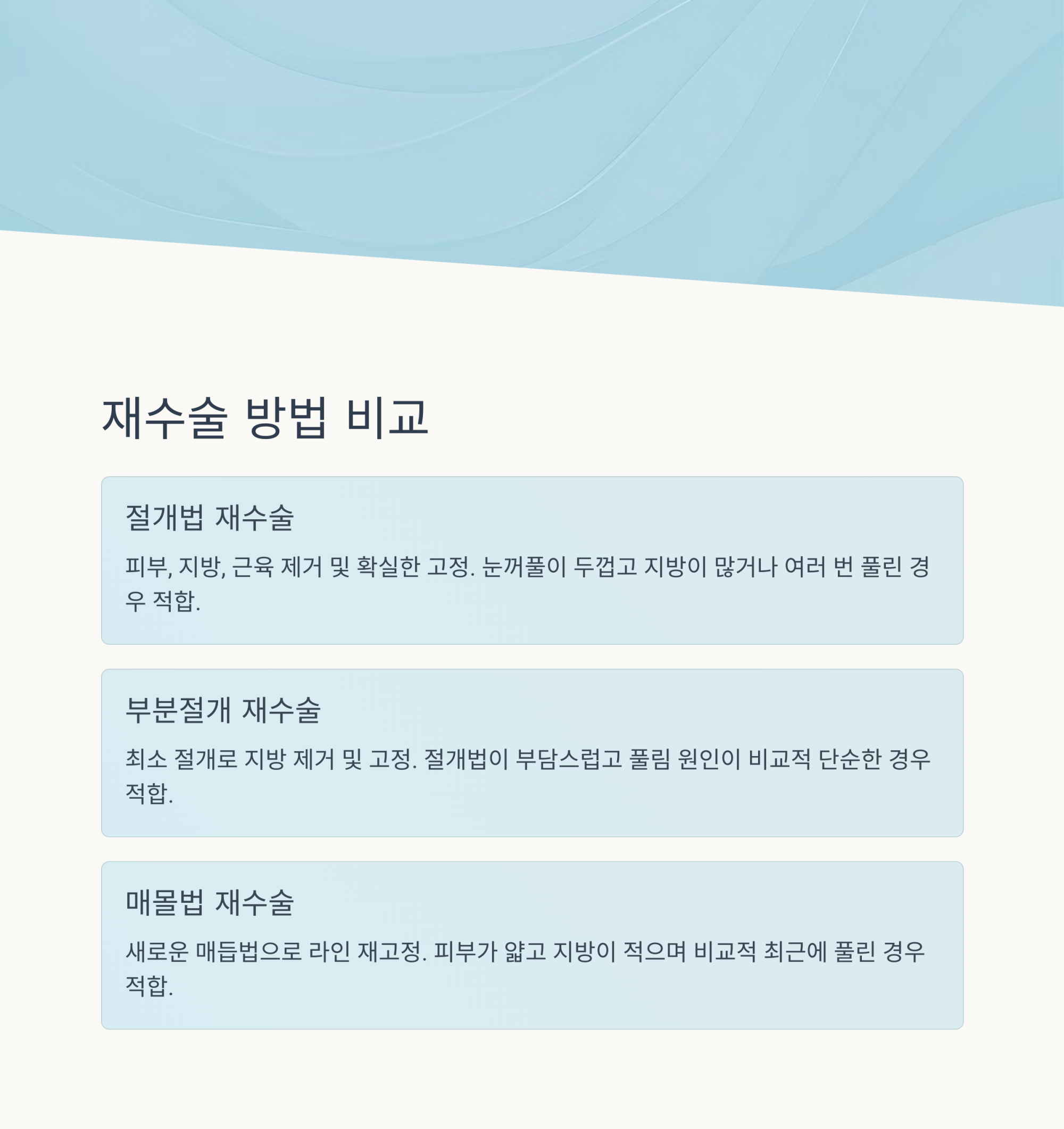
How is revision surgery done?
Double eyelid revision needs to be planned far more carefully than the first surgery. The surgeon first assesses the previous technique and the current condition of the eyelid, then builds a customized plan aimed at resolving the cause of the fading.
- If the crease faded because the eyelid is thick and fatty, the incisional method is used to remove excess fat and muscle and secure the crease more firmly.
- If the crease faded because it was set too high or too low, a new crease may be designed and created.
Because revision involves more tissue damage than the first surgery, it is especially important to choose an experienced surgeon who operates with precision. Ultimately, the key is choosing the method best suited to your eyes.
Which revision method is right for you should be decided after a thorough consultation.

How to keep the crease from fading after revision
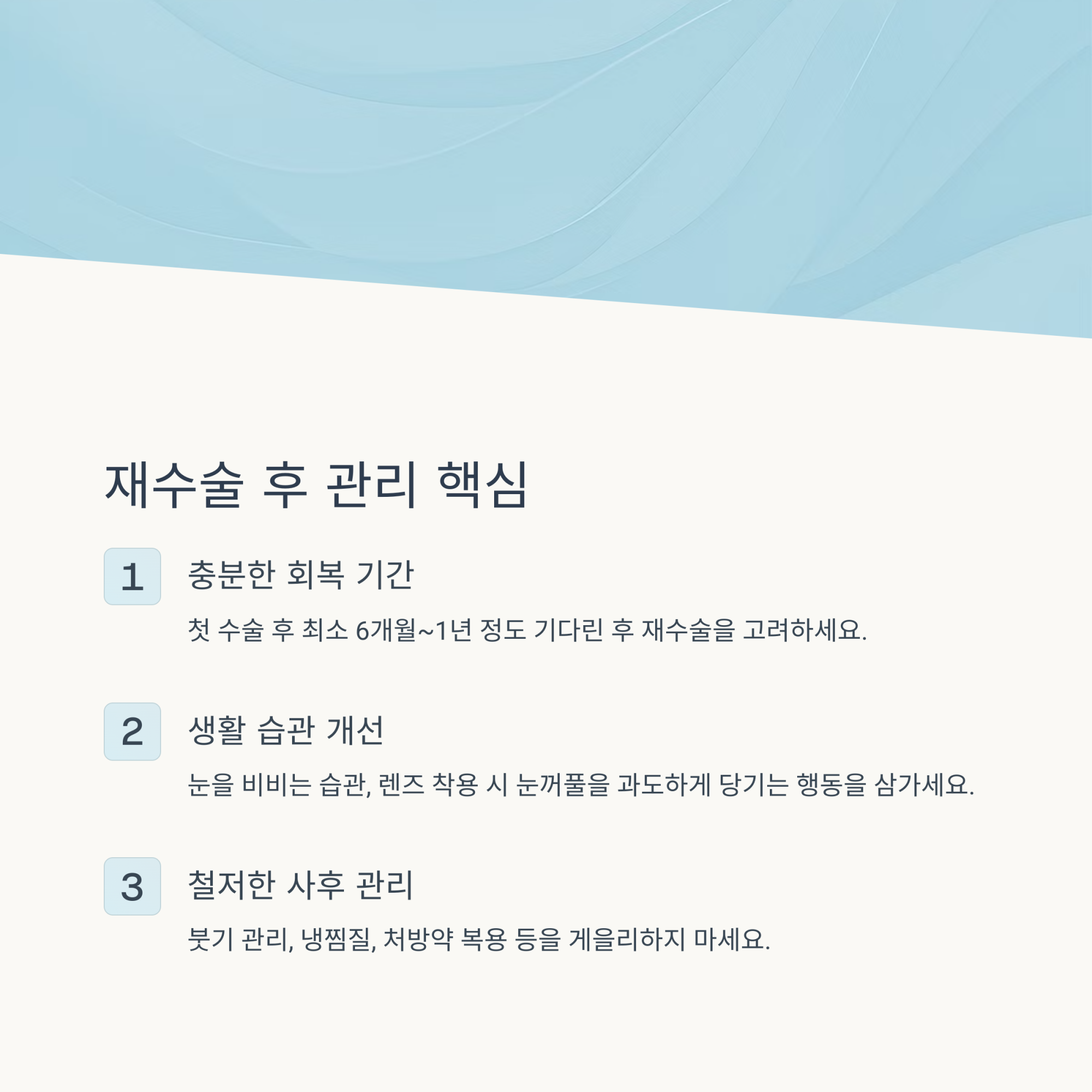
To be satisfied with your revision and prevent the crease from fading again, a few principles need to be followed.
- Allow enough recovery time. It's best to wait at least 6 months to 1 year after the first surgery before considering revision. The tissue needs to fully settle for an accurate assessment and a stable result.
- Minimize eyelid irritation. Avoid rubbing your eyes and pulling on your eyelids too hard when putting in or taking out contact lenses.
- Follow every aftercare instruction. Don't neglect swelling care, cold compresses, or prescribed medication, so that inflammation is prevented and crease adhesion isn't disrupted.
A good revision result isn't achieved by the surgeon's skill alone. It also takes the patient's own effort to follow the aftercare guidelines.
Summary

- First determine whether the fading stems from the eyelid's characteristics, the choice of technique, or lifestyle habits.
- Plan double eyelid revision more carefully and precisely than the first surgery, using a method suited to your eyes.
- Adequate recovery time and thorough aftercare together give you the best chance of a crease that won't fade again. Once you know why it faded, the solution comes into view.
Last reviewed: 2026-10-07
This article provides general medical information. Individual diagnosis and treatment plans are determined through an in-person consultation.
Ruby News and Columns
We provide the publication dates and original posts confirmed on the official blog.





Get started with an easy inquiry or booking
Reach us by phone, messenger or online. Our chatbot is available 24 hours a day.