
Breast Augmentation and Pregnancy, Childbirth & Breastfeeding
Worried about childbirth and breastfeeding after breast augmentation? We cover how each technique affects nursing, implant rupture safety, and fixing sagging after birth.
Many people hesitate after hearing that breast augmentation means they won't be able to breastfeed later. To get straight to the point: in most cases, pregnancy, childbirth, and breastfeeding are still possible after breast augmentation. Since concern for your future baby is only natural, Ruby Plastic Surgery in Gangnam has answered the most common questions about how breast augmentation affects pregnancy, childbirth, and breastfeeding.

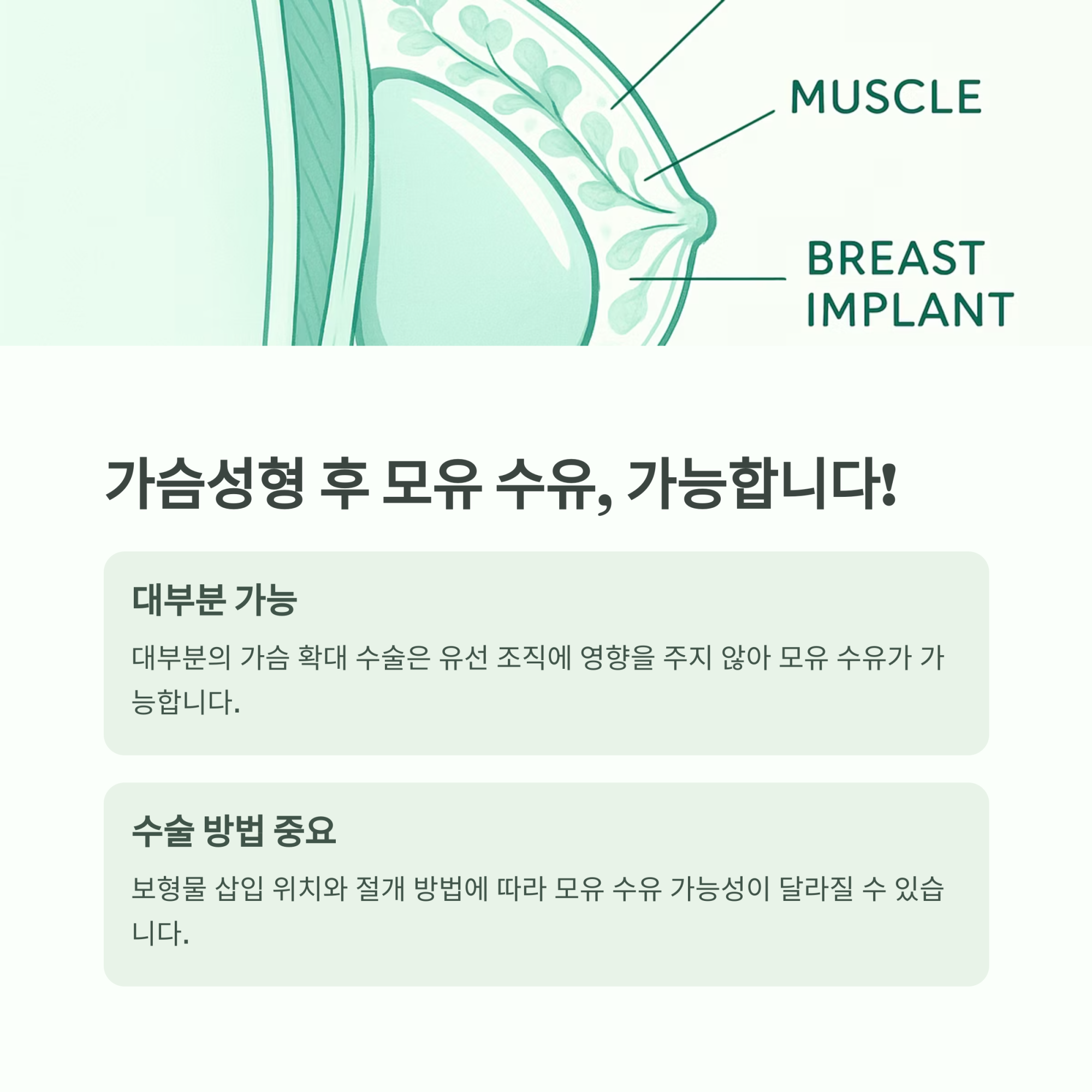
Is Breastfeeding Really Possible After Breast Augmentation?
In most cases, yes. In breast augmentation, the implant is usually placed beneath the breast gland tissue (dual plane) or beneath the muscle, so it doesn't directly touch the gland tissue and milk ducts that produce and deliver breast milk.
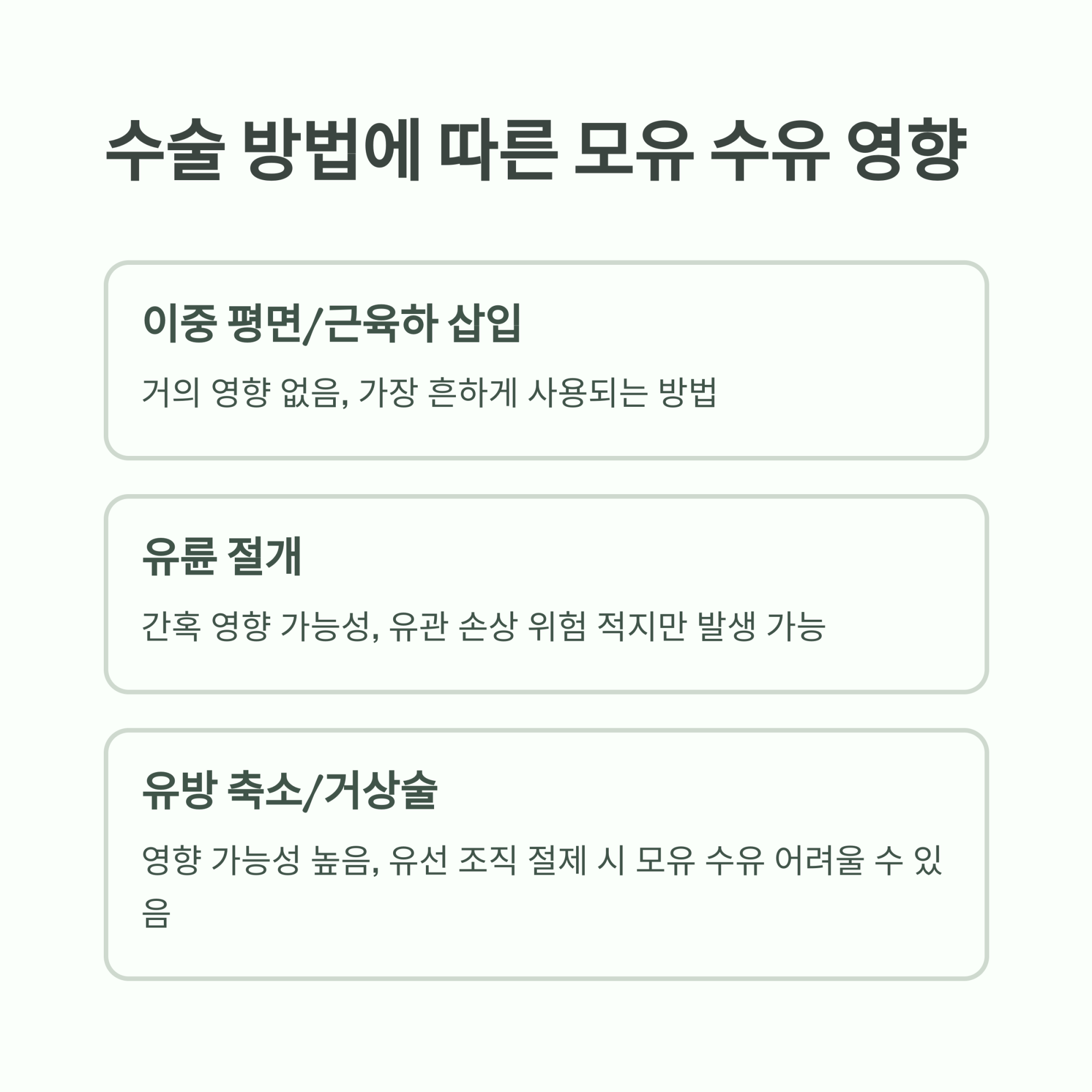
However, if there is little gland tissue to begin with — for example, in cases of severe breast hypoplasia before surgery — milk supply may be low regardless of surgery. The effect on breastfeeding also varies somewhat depending on the surgical technique.
Can a Ruptured Implant Cause Problems with Breastfeeding?
In the past, some people worried that silicone could mix into breast milk if an implant ruptured, but this is extremely rare, and today's implants are much safer. Most breast implants are made of highly viscous cohesive gel, so even if one ruptures, the gel holds its shape rather than leaking out.
What's more, implants sit in a space separate from the breast gland tissue, so the chance of silicone seeping directly into breast milk is extremely low.
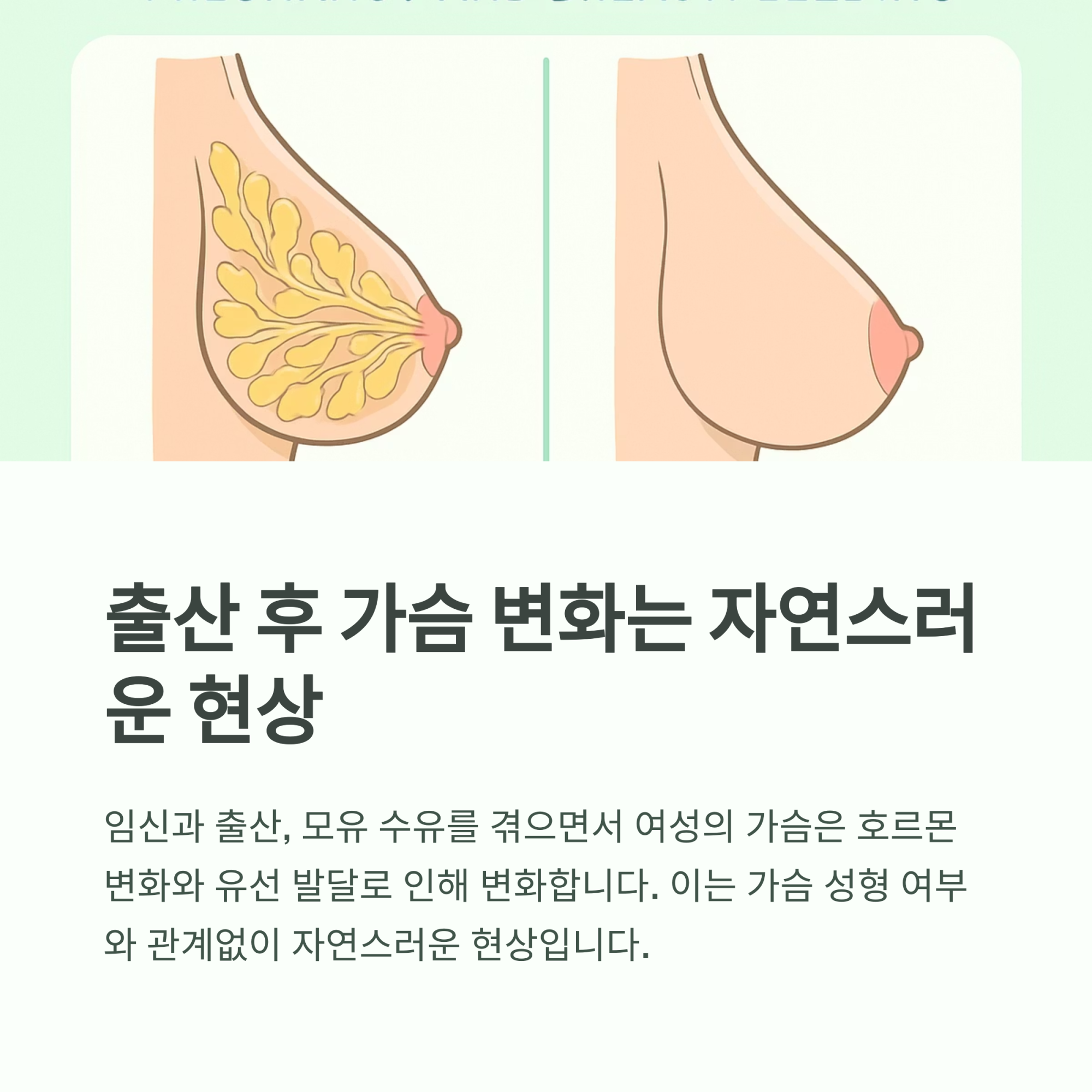
What If Your Breast Shape Changes After Childbirth?
During pregnancy, childbirth, and breastfeeding, the breasts enlarge due to hormonal changes and gland development, then shrink again when breastfeeding ends. In the process, they may lose elasticity or sag — a natural change that happens whether or not you've had breast surgery.
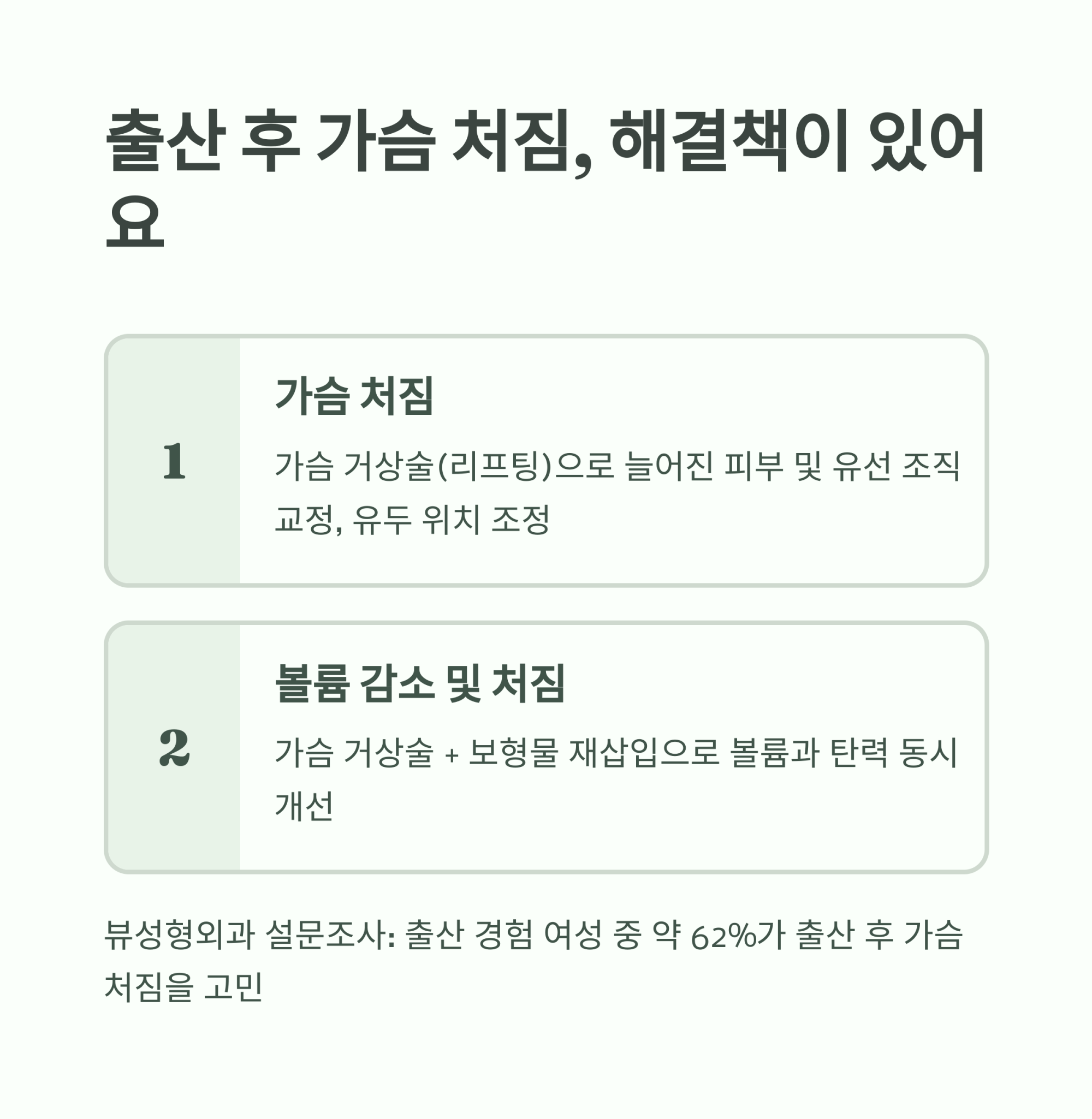
If sagging after childbirth is significant, it can be improved with a breast lift (mastopexy) or, if needed, implant revision surgery. The approach depends on your concern.
Key Takeaways
- Implants sit in a layer separate from the breast gland tissue, so breastfeeding is possible in most cases after breast augmentation.
- A periareolar incision, breast reduction, or breast lift can affect breastfeeding, so discuss your plans for having children before surgery.
- Sagging or volume loss after childbirth can be improved with a breast lift, implant revision, or an autologous fat graft.
Breast surgery isn't just about changing your appearance — it's a process of regaining confidence. When you decide together with a specialist who understands your body and whom you can trust, you can protect both your plans to become a mother and the breast line you want.
Last reviewed: 2026-10-07
This article provides general medical information. Individual diagnosis and treatment plans are determined through an in-person consultation.
Ruby News and Columns
We provide the publication dates and original posts confirmed on the official blog.





Get started with an easy inquiry or booking
Reach us by phone, messenger or online. Our chatbot is available 24 hours a day.