

Ptosis Correction
Ptosis correction adjusts the eye-opening muscle so sleepy-looking eyes look fresh and clear.
Procedure information
From surgery time to recovery, see the ptosis correction schedule at a glance.

Surgery time
20-40 minutes
Anesthesia
Painless sedation (local anesthesia)

Hospitalization
Not required

Stitch removal
After 3 days or not required (depends on the method and suturing)

Follow-up visits
1-2 visits

Recovery period
After 5-7 days
Ruby Ptosis Correction
We strengthen the eyelid-lifting power to reveal more of the pupil and turn sleepy-looking eyes clear and bright.

Stronger eye opening
Reinforcing a weak muscle increases how much of the pupil shows.

Three methods
Non-incisional, incisional or monolid correction, chosen by skin, fat and symptoms.

Adjusted degree
The degree is tuned to find eyes that suit your face.
Before & After
These are before-and-after photos of patients who had surgery at Ruby Plastic Surgery. Results and side effects may vary by individual. We recommend a thorough consultation with our medical team.
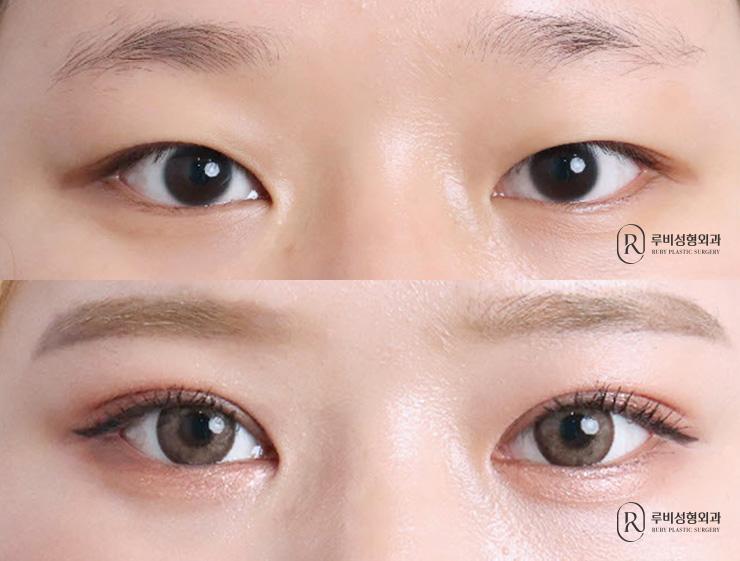
Natural adhesion, ptosis correction, epicanthoplasty
3 months after surgery
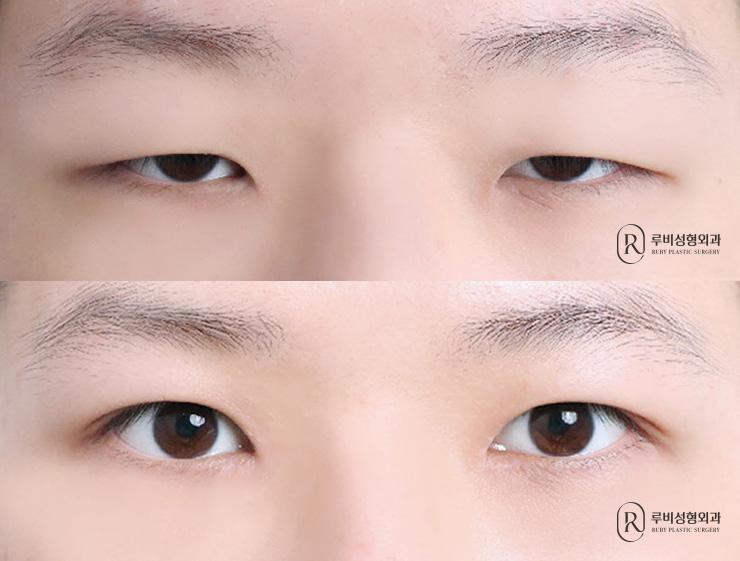
Men's natural adhesion, ptosis correction, epicanthoplasty
6 months after surgery
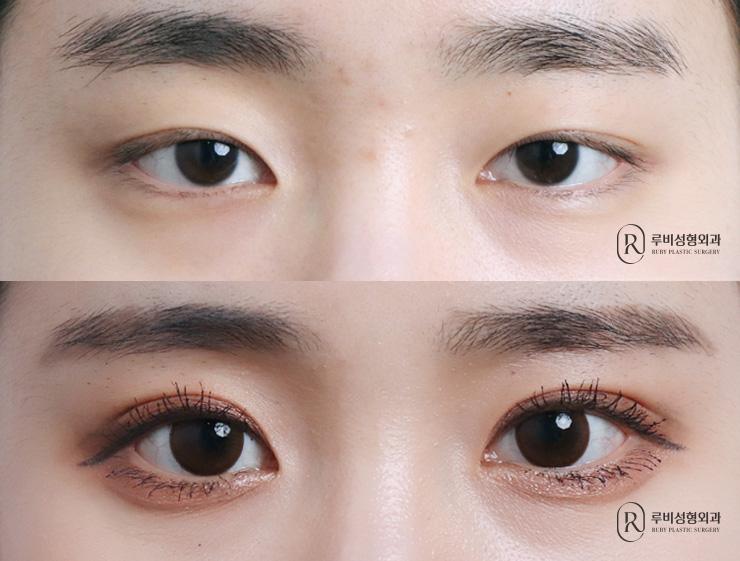
Natural adhesion, ptosis correction
3 months after surgery
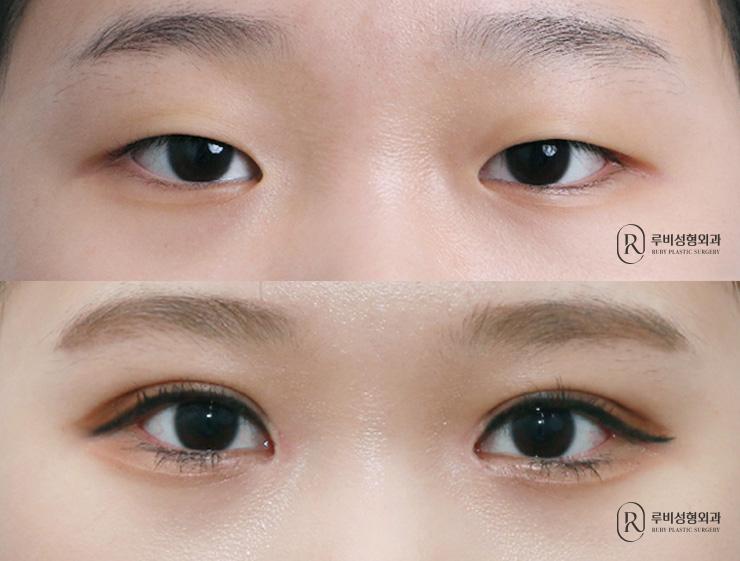
Incisional, ptosis correction, epicanthoplasty
1 month after surgery
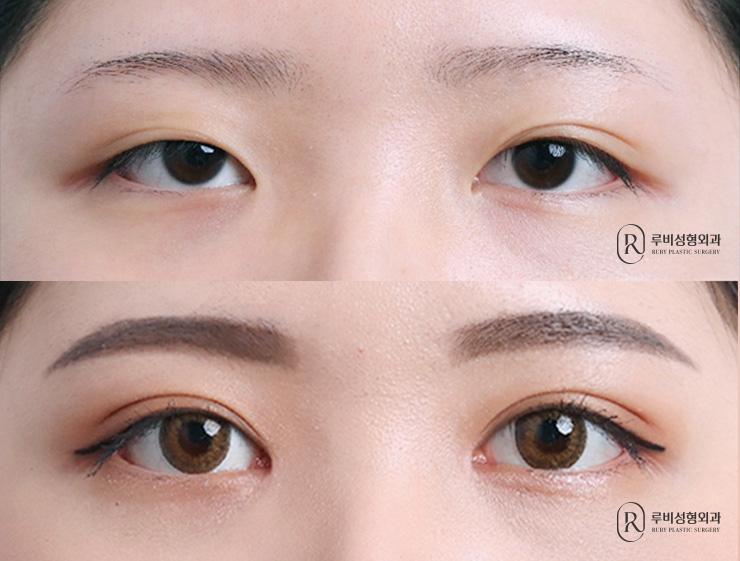
Natural adhesion, ptosis correction, epicanthoplasty
6 months after surgery
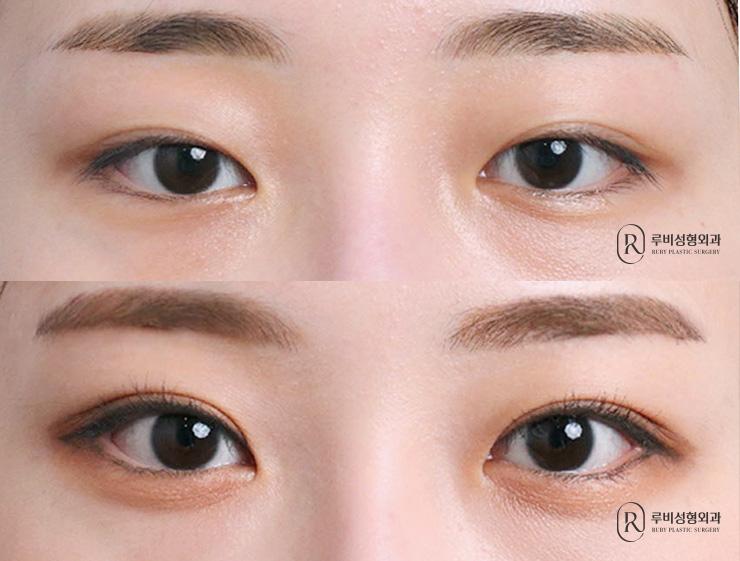
Natural adhesion, ptosis correction
3 months after surgery
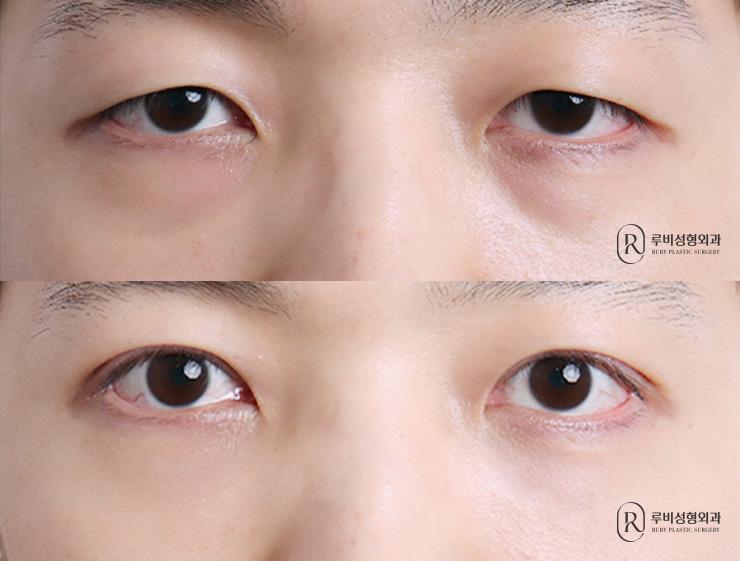
Men's natural adhesion, ptosis correction, Eye Bag Reposition
1 month after surgery
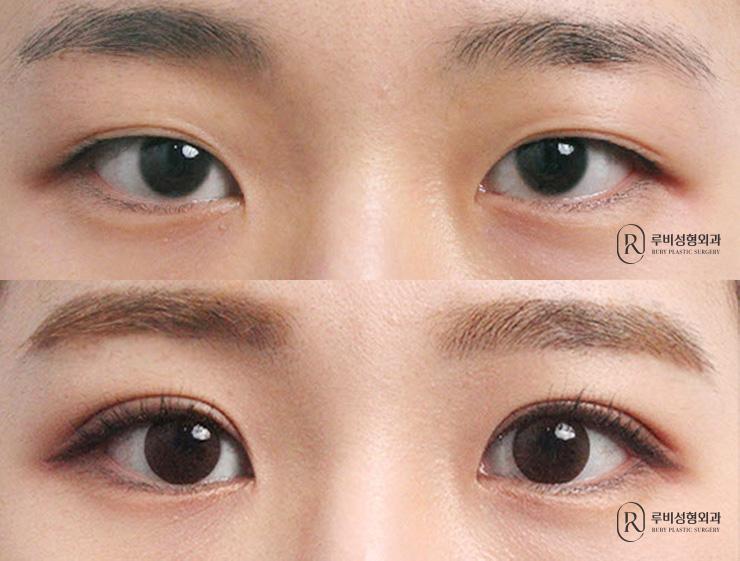
Natural adhesion, ptosis correction
6 months after surgery
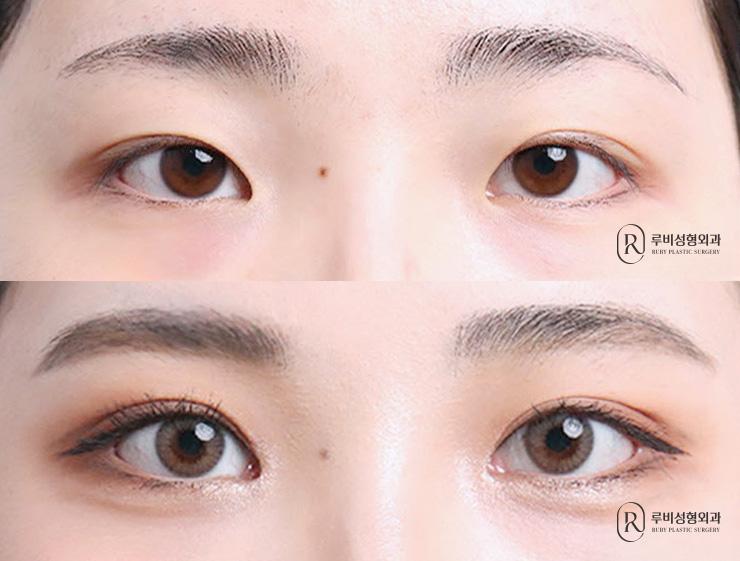
Natural adhesion, ptosis correction, epicanthoplasty
3 months after surgery
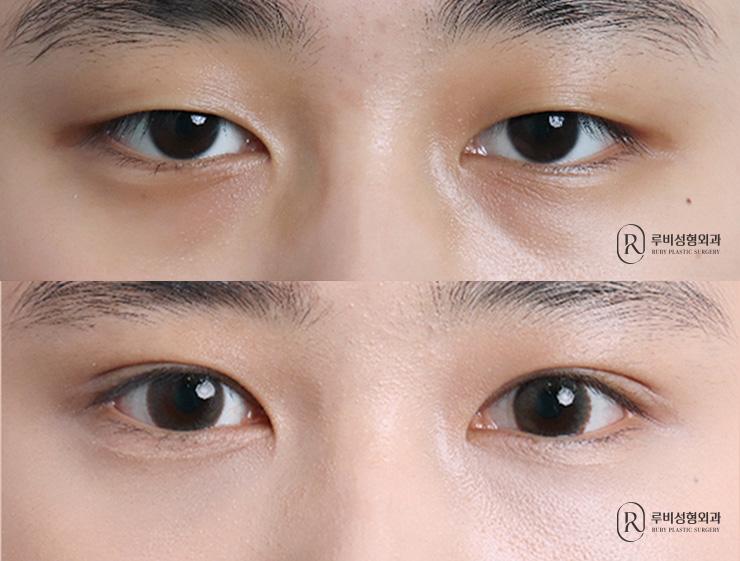
Natural adhesion, ptosis correction, Eye Bag Reposition
1 month after surgery
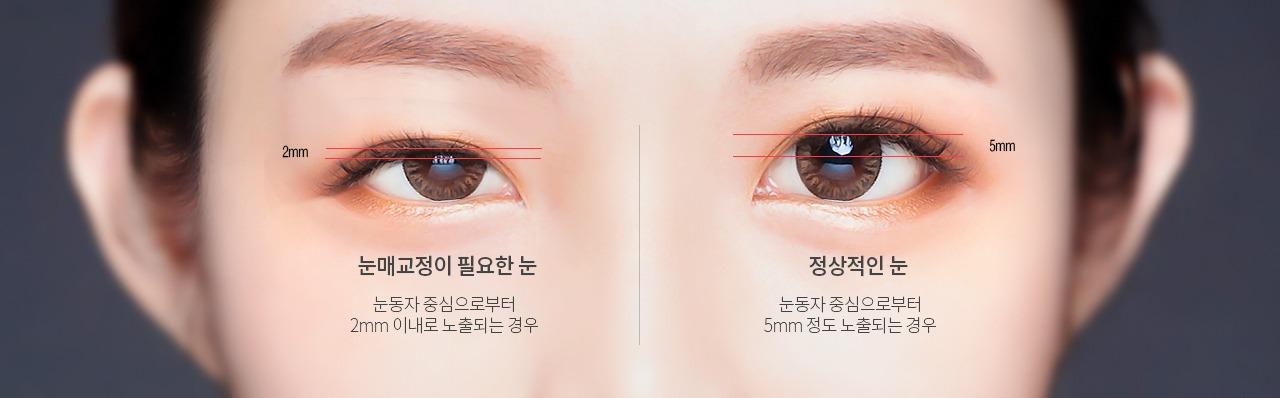
Eyes that need ptosis correction?
If less than 80% of the dark pupil shows when your eyes are fully open, you look sleepy and tired and tend to use your forehead or brows to open your eyes. Check your eyes against the image below.
Three ptosis correction methods compared
It is best to understand the differences between non-incisional, incisional and monolid ptosis correction and then choose the method that suits you.
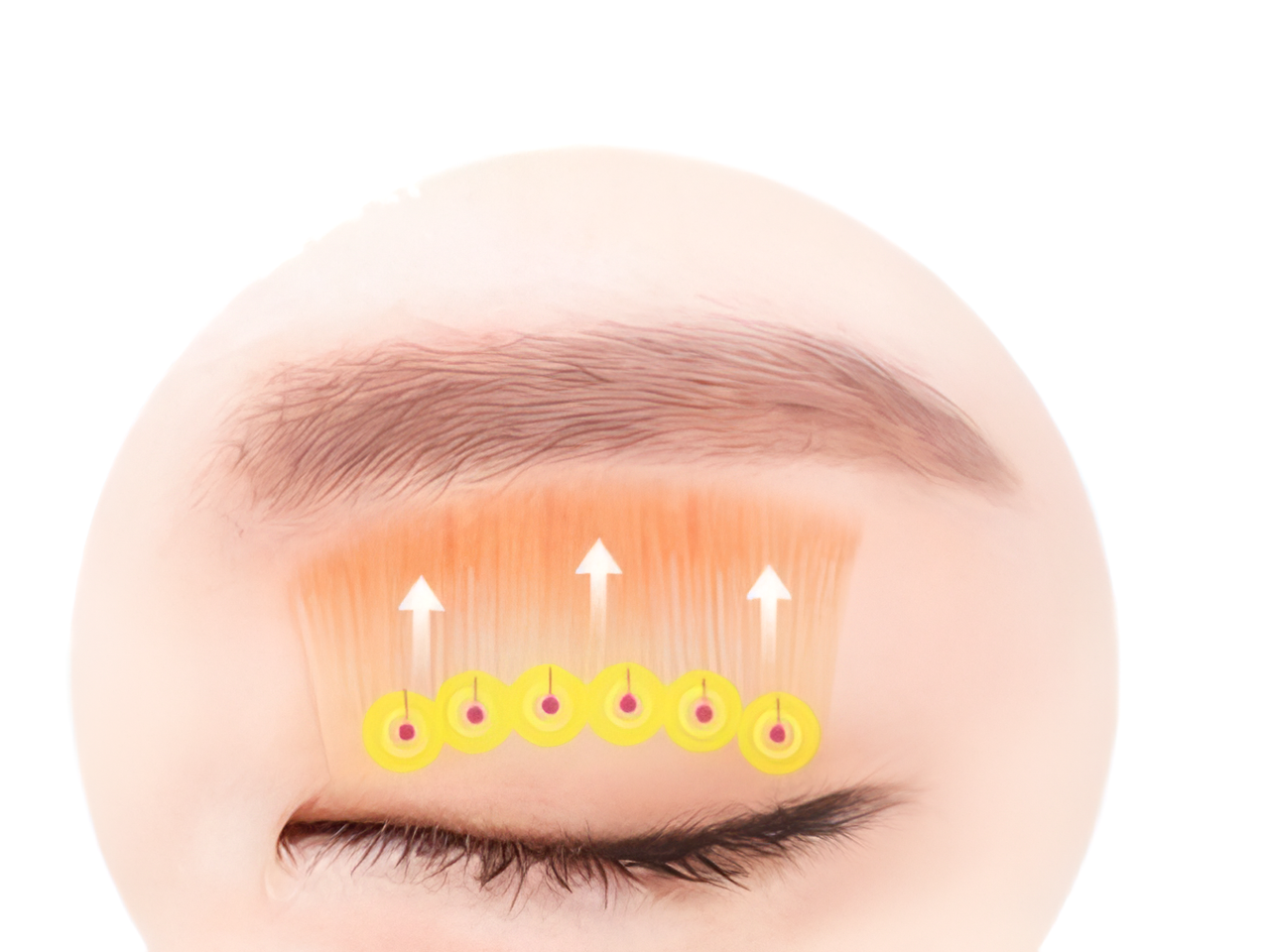
Non-incisional ptosis correction
Surgery time About 20 minutes
Degree of ptosis Mild
Correction method Corrected through tiny holes without an incision
Eyelid condition Eyes with thin fat and little muscle
Stitch removal After 3 days or not required (depends on suturing)
Scar Tends to have a lower scarring burden after surgery (varies from person to person)
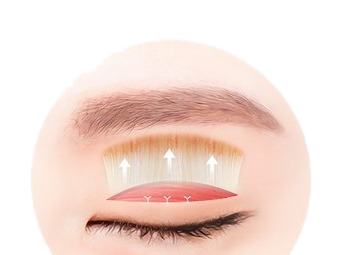
Incisional ptosis correction
Surgery time About 40 minutes
Degree of ptosis Moderate or more
Correction method Corrected through an eyelid incision
Eyelid condition Eyes that are thick with a lot of fat or muscle
Stitch removal After 3 days or not required (depends on suturing)
Scar Similar to an incisional double eyelid scar
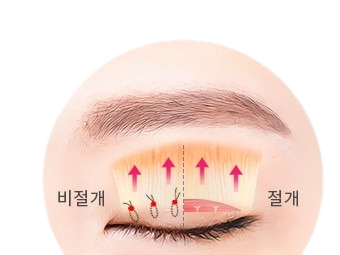
Monolid ptosis correction
Surgery time About 20-40 minutes
Degree of ptosis Mild
Correction method Corrected through tiny holes without an incision
Eyelid condition Eyes with thin fat and little muscle
Stitch removal After 3 days or not required (depends on suturing)
Scar Tends to have a lower scarring burden after surgery (varies from person to person)
01 Non-incisional ptosis correction
The eye-opening muscle is shortened through tiny holes without an incision. It suits mild ptosis or thin eyelids.
01
Clear, defined eyes without an incision
Strengthening the eye-opening muscle without an incision increases pupil exposure and changes the eyes into a clear, fresh look.

02
One-on-one customized surgery based on precise diagnosis
Through a ptosis diagnosis before surgery, we perform the ptosis correction that suits your eyes.
03
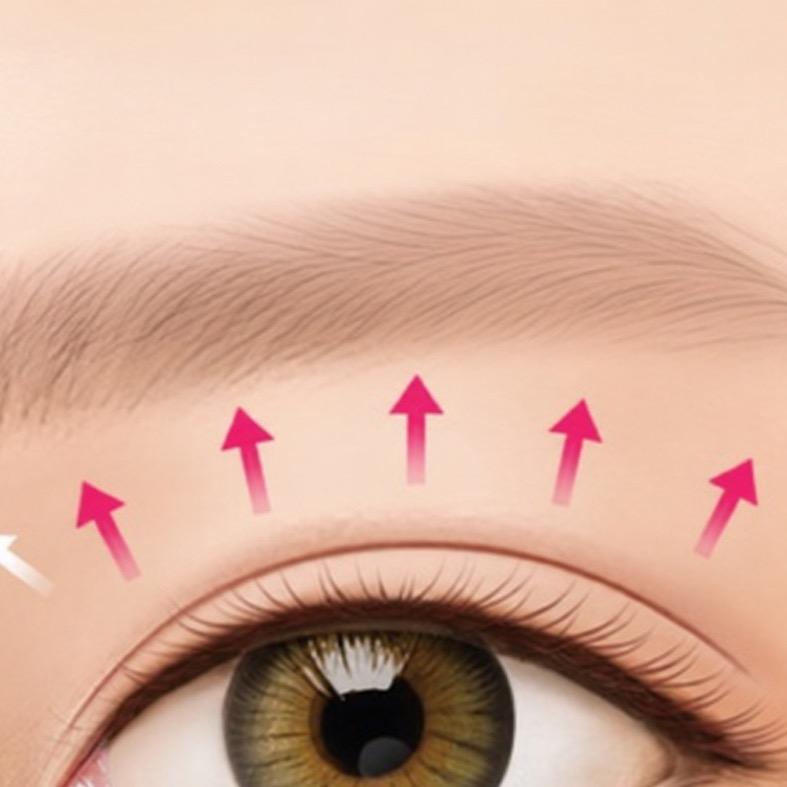
Easier eye opening, fewer forehead and brow wrinkles
Opening the eyes becomes comfortable, and because you do not lift your forehead or eyebrows, wrinkles can be prevented.
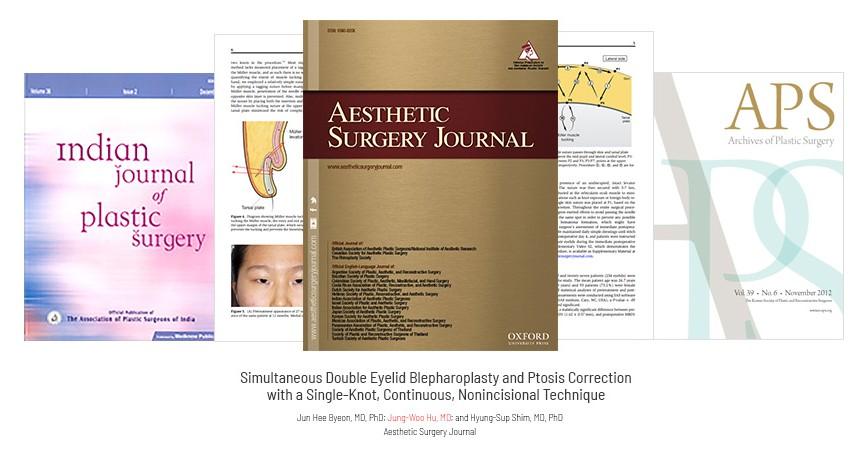
Non-incisional ptosis correction paper in ASJ (SCI)
Through extensive clinical experience and ongoing research, we aim for high-satisfaction results, and our ASJ (SCI) publication demonstrates the expertise of Ruby Plastic Surgery's eye surgery.
Non-incisional ptosis correction process
By tying the eye-opening muscle with thread through small holes to shorten its length, the exposure of the dark pupil increases, improving the eyes into a sharp, clear look.
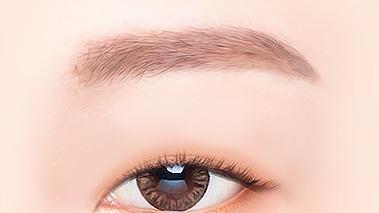
Before surgery
Small, flat eyes without a double eyelid
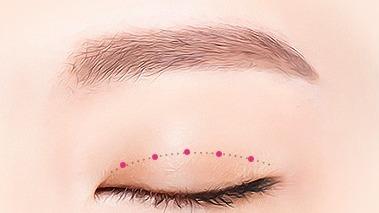
Design and creating grooves
After designing, tiny grooves are made.
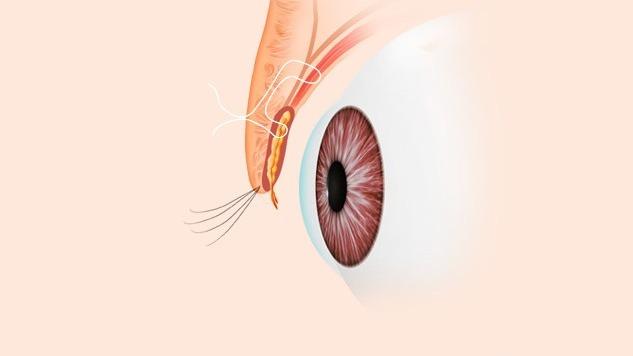
Making knots through the grooves
Knots are tied through the tiny grooves.
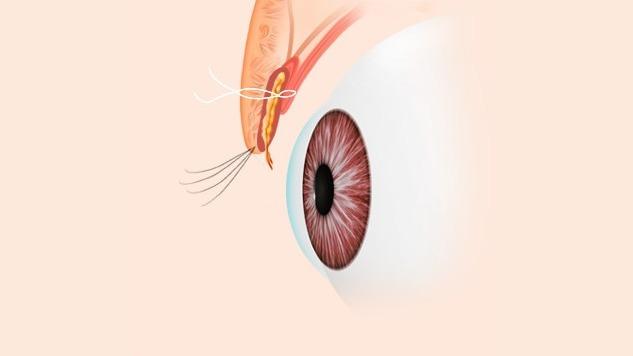
Tying continuously with fine thread
When the thread is pulled and knotted, the eye-opening muscle (Müller's muscle) is lifted.
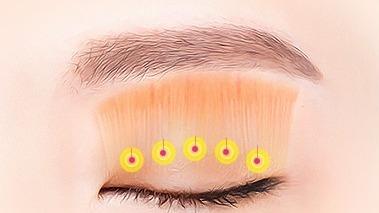
Inducing natural adhesion and forming the double eyelid line
Natural adhesion between skin and muscle is induced while the double eyelid line is formed.
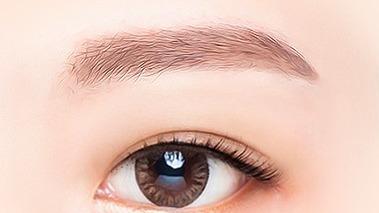
After surgery
Clear eyes that suit you are completed.
02 Incisional ptosis correction
For severe ptosis or eyelid sagging. Thick, fatty eyelids also have fat removed.
01
A dramatic effect even for small, drooping eyes
By removing sagging skin and fat through an incision, a dramatic effect can be seen.

02
Accurate prediction and firm fixation over time
An incision allows accurate prediction, and firm fixation reduces worry about it coming undone.

03
Correction of severe ptosis too
Even severe ptosis can be corrected to create large, clear eyes.

Incisional ptosis correction process
By incising the eyelid skin and appropriately removing fat, sagging skin and muscle, then strengthening the levator palpebrae muscle that opens the eye, sleepy-looking eyes can be corrected into clear ones.
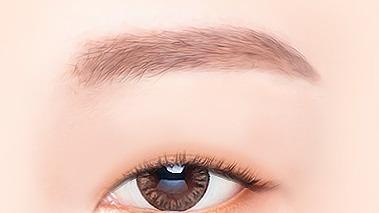
Before surgery
Small, flat eyes without a double eyelid
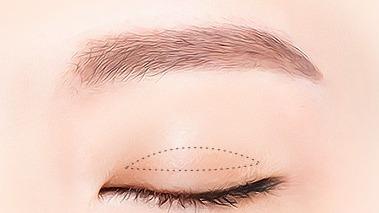
Customized design
We design eyes that suit your facial image.
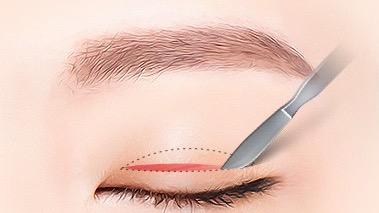
Eyelid incision
The eyelid is incised according to the design.
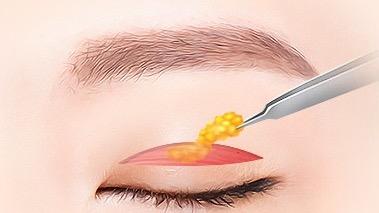
Muscle and fat removal
After removing loose skin through an incision, unneeded muscle and fat are removed.
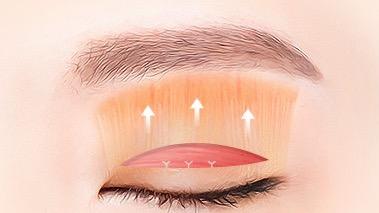
Strengthening the levator muscle and forming the double eyelid line
We identify the fascia, suture it to the tarsal plate and strengthen the eye-opening muscle.
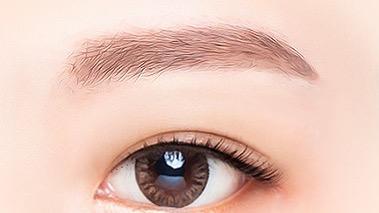
After surgery
Clear eyes that suit you are completed.
03 Monolid ptosis correction
The eye shape is corrected without a double eyelid by tying or incising just in front of the lashes. Scars tend to be hard to see (varies by individual).
01
Clear eyes even without a double eyelid
By strengthening the eye-opening muscle, pupil exposure increases, and the eyes change into a clear, fresh look even without a double eyelid.

02
One-on-one customized surgery based on precise diagnosis
Through a ptosis diagnosis before surgery, we perform the ptosis correction that suits your eyes.
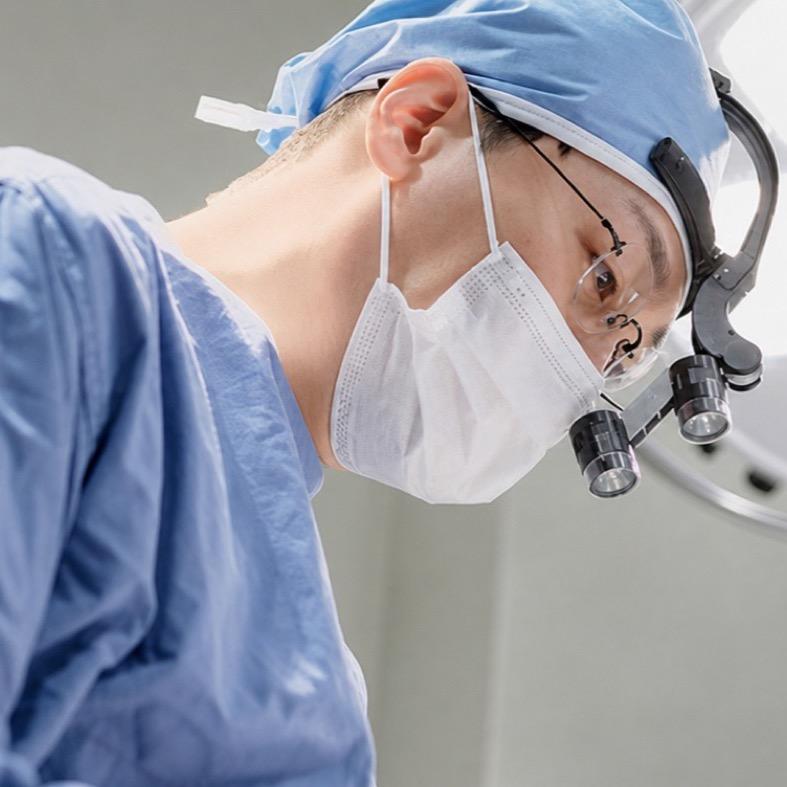
03
Effective for clear, attractive men's eyes
It is effective for men's eyes when you want to improve toward attractive eyes without a double eyelid.

Monolid ptosis correction process
By incising the eyelid skin and appropriately removing fat, sagging skin and muscle, then strengthening the levator palpebrae muscle that opens the eye, sleepy-looking eyes can be corrected into clear ones.
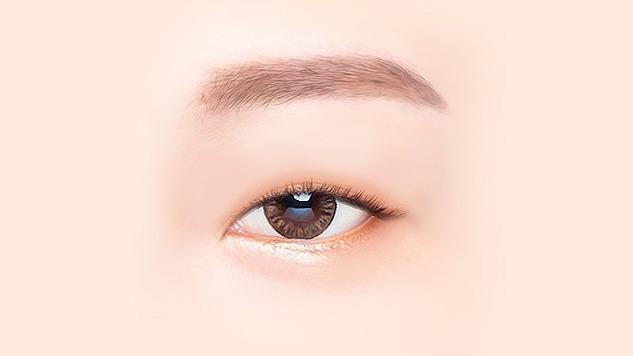
Before surgery
Small, sleepy-looking eyes
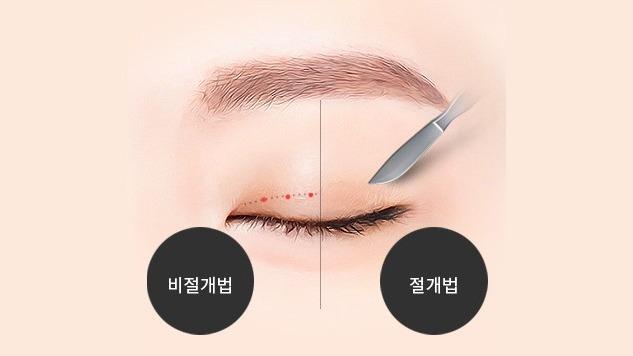
Making tiny holes | Eyelid incision
Tiny holes are made using the non-incisional method. | The eyelid is incised using the incisional method.
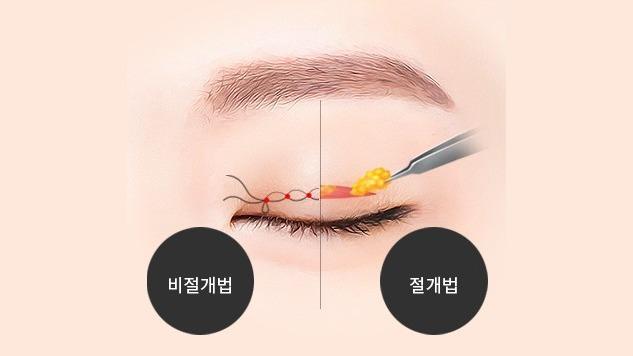
Making knots | Fat and muscle removal
Knots are made using the non-incisional method. | Fat and muscle are removed using the incisional method.
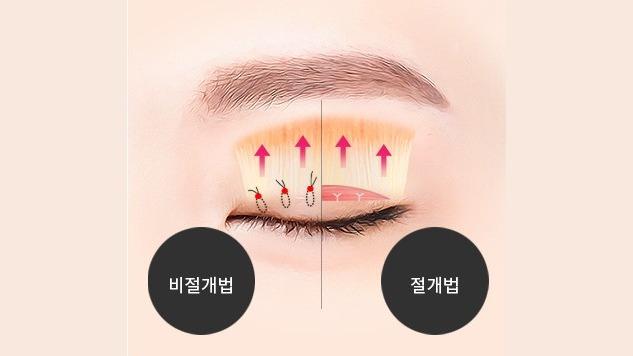
Müller's muscle | levator strengthening
Müller's muscle is strengthened using the non-incisional method. | The eyelid levator muscle is strengthened using the incisional method.
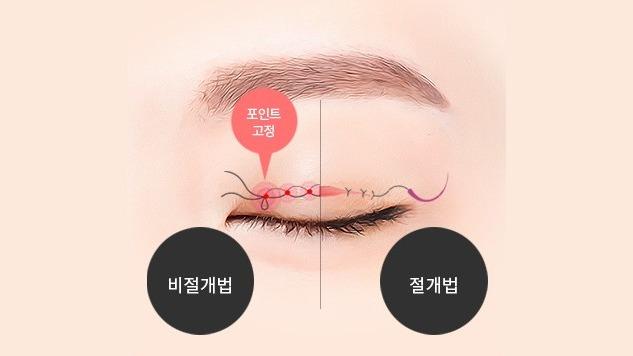
Continuous tying, point fixation | Fine suturing
Continuous tying and point fixation are done using the non-incisional method. | Fine suturing is done using the incisional method.
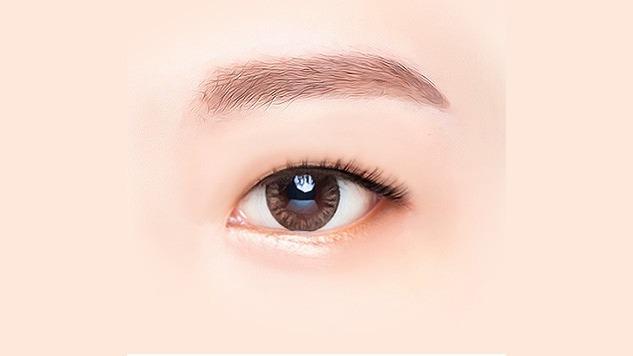
After surgery
The eyes are corrected into a natural, clear look without a double eyelid.
Want to move on from sleepy eyes to clear, fresh eyes?
Lively, clear eyes; comfortable eye opening Improvement of ptosis; a clear, fresh impression
Who ptosis correction suits
At consultation we look at eyelid heaviness, eye shape, fat and line preference.

Heavy eyelids
When your eyelids feel heavy when opening your eyes

Sleepy-looking eyes
When you are concerned about sleepy-looking eyes

Eyelid sagging and fat
When you want to discuss eyelid sagging and fat together

Ptosis correction without a double eyelid
When you want to discuss ptosis correction without a double eyelid line

Lifting brows to open
When you raise your forehead or eyebrows to open your eyes

Partly covered pupils
When the eyelids cover the dark pupils so they look small
Four promises we keep
Beyond beauty, we practice medicine that adds value to your life.
Honest consultation, principled surgery
We consult without exaggeration and operate by principle.
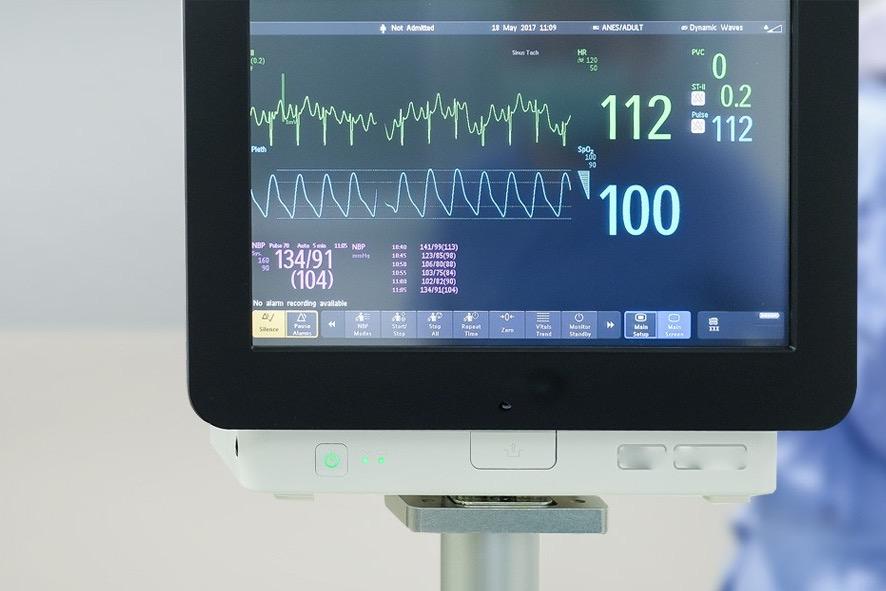
Safety from the basics
Accidents can start from small details, so we follow every safety rule carefully.

One dedicated specialist
Your specialist handles consultation, surgery and aftercare. No shadow doctors.
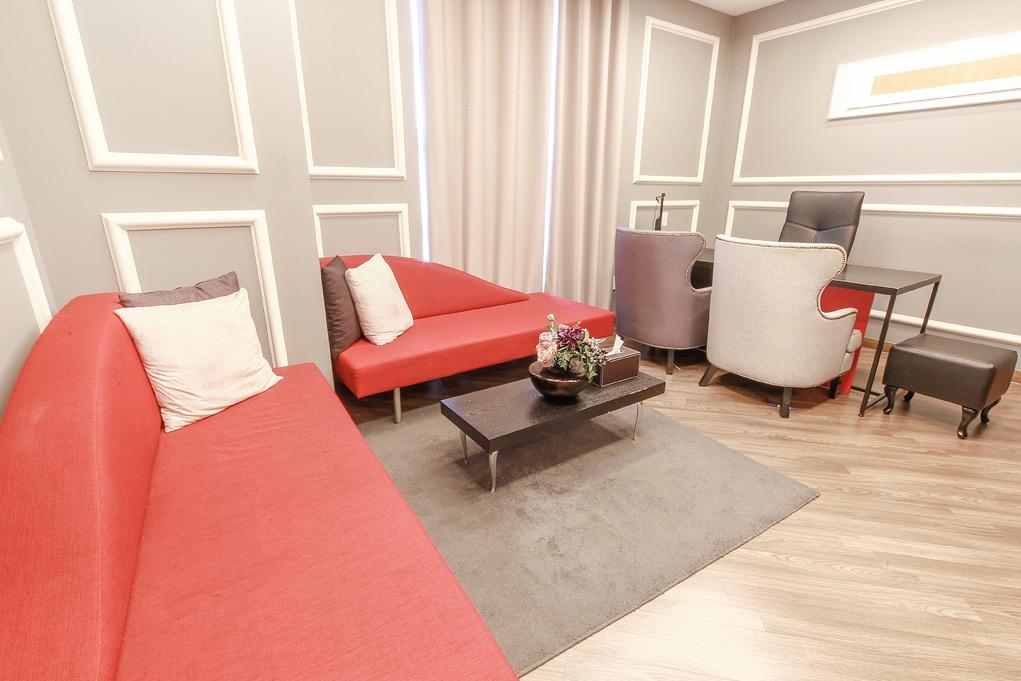
Results that suit you
We find the beauty that fits your features and personality.
FAQ: Ptosis Correction Methods
Frequently asked questions about non-incisional, incisional and monolid ptosis correction.
How are the non-incisional and incisional methods chosen?
One of the two methods is chosen according to eye-opening muscle strength and the condition of the skin and fat. The suitable method is confirmed at your consultation.
Can I consult about it without a double eyelid line?
Ptosis correction that does not create a double eyelid line is also possible. We discuss the method by looking at the eye shape you want and your eyelid condition together.
Post-Surgery Precautions
Side effect information: Complications that can generally occur after surgery, such as bleeding, infection and inflammation, may vary in degree from person to person, so caution is needed.
Related Eye Surgery
Explore eye surgery care by area and method.






Get started with an easy inquiry or booking
Reach us by phone, messenger or online. Our chatbot is available 24 hours a day.