

Procedure information
From surgery time to recovery, see the canthoplasty schedule at a glance.

Surgery time
About 20 minutes

Anesthesia
Sedation + local anesthesia

Hospitalization
Not required

Stitch removal
After 7 days

Follow-up visits
1-2 visits

Recovery period
After 5-7 days
Ruby Canthoplasty
Canthoplasty widens the eye horizontally or vertically to open up small, heavy eyes. The method is matched to your eye shape.


Medial and upper
For wide-set eyes or to open the front of the eye more.

Wide lateral
For close-set eyes or upturned outer corners, widening outward.

Non-incisional lower
Adds vertical length for softer-looking eyes.
Before & After
These are before-and-after photos of patients who had surgery at Ruby Plastic Surgery. Results and side effects may vary by individual. We recommend a thorough consultation with our medical team.
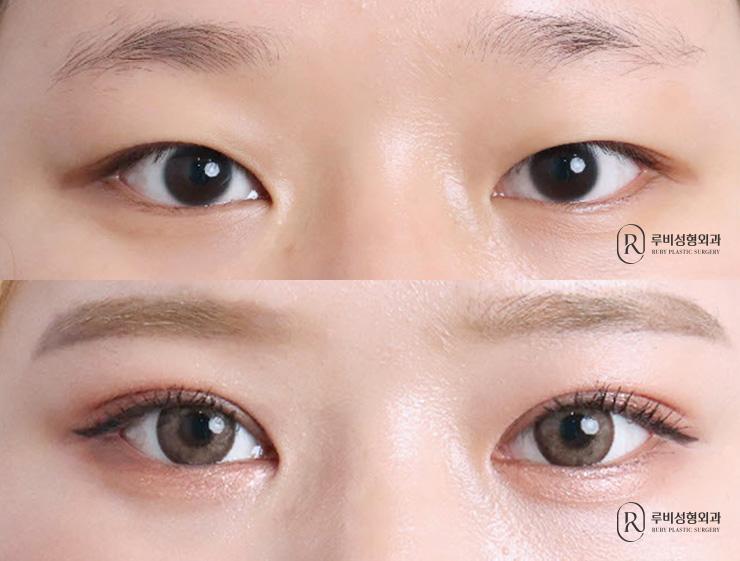
Natural adhesion, ptosis correction, epicanthoplasty
3 months after surgery
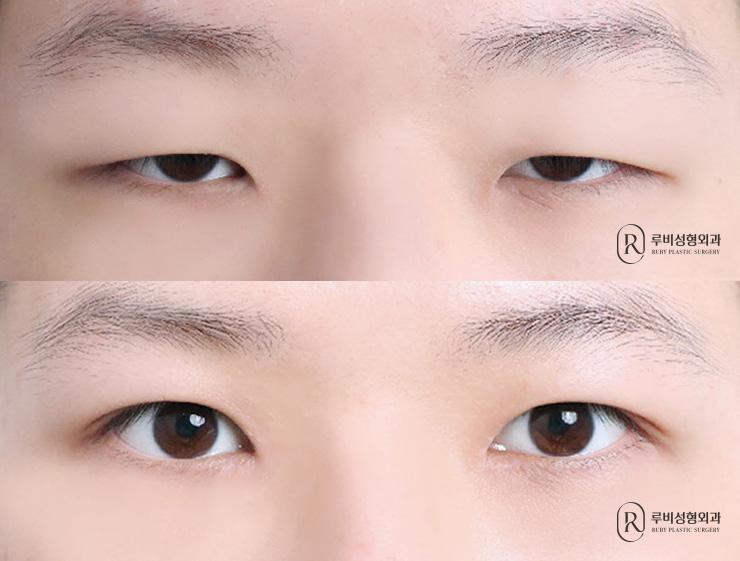
Men's natural adhesion, ptosis correction, epicanthoplasty
6 months after surgery
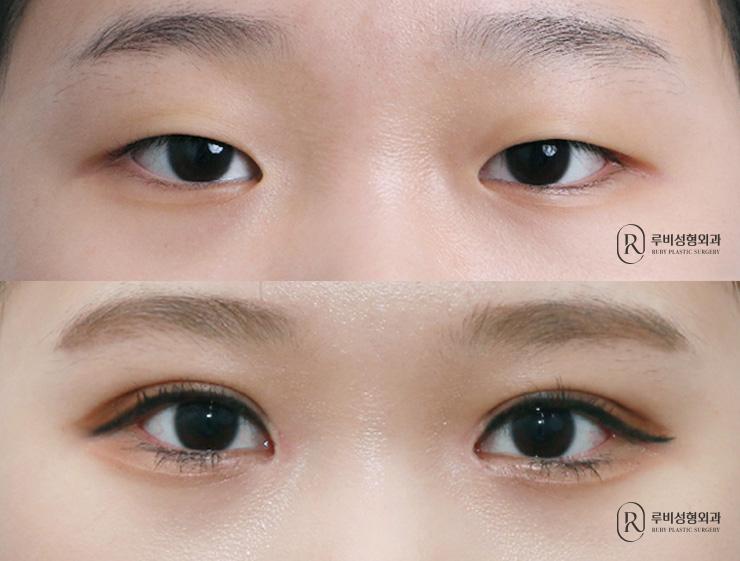
Incisional, ptosis correction, epicanthoplasty
1 month after surgery
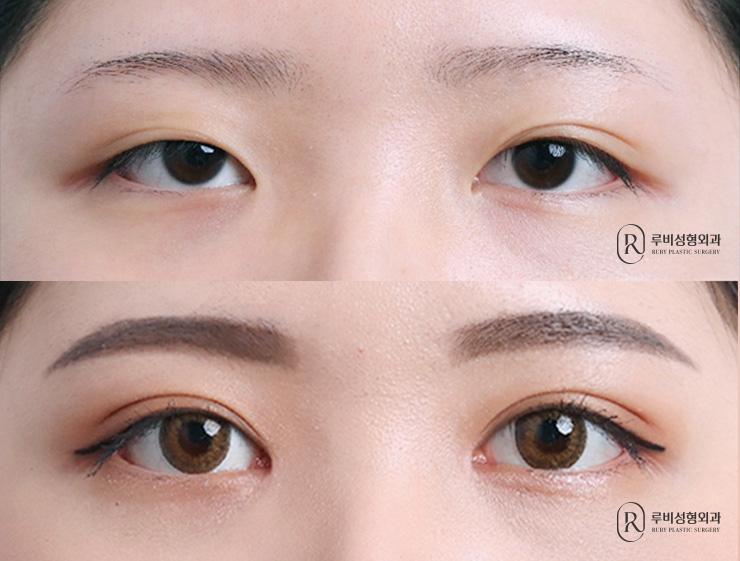
Natural adhesion, ptosis correction, epicanthoplasty
6 months after surgery
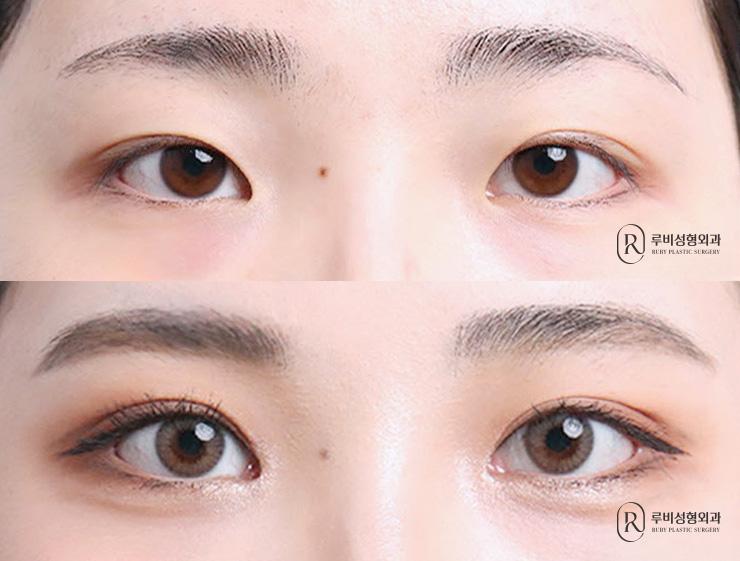
Natural adhesion, ptosis correction, epicanthoplasty
3 months after surgery
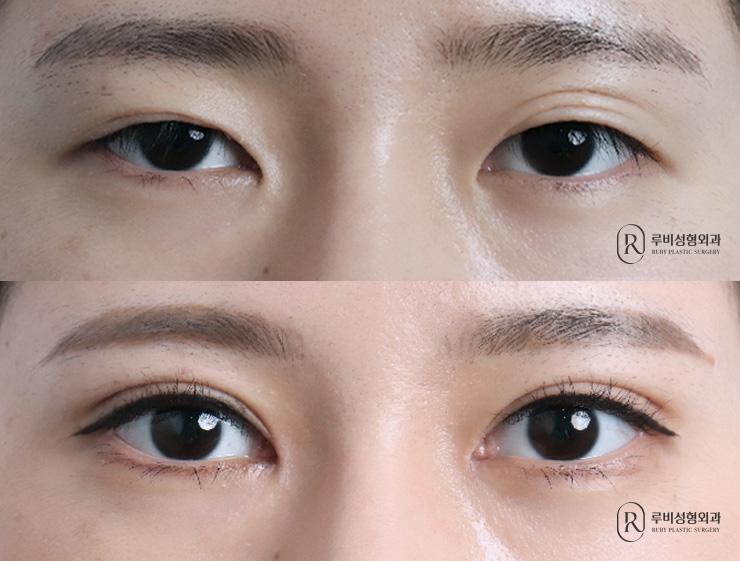
Natural adhesion, ptosis correction, epicanthoplasty, revision surgery
1 month after surgery
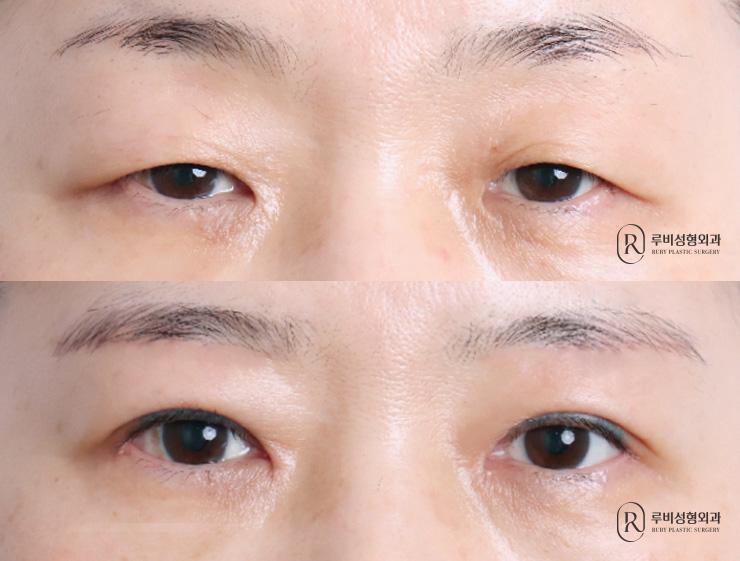
Brow lift, natural adhesion, ptosis correction, medial, lateral and lower canthoplasty
2 months after surgery
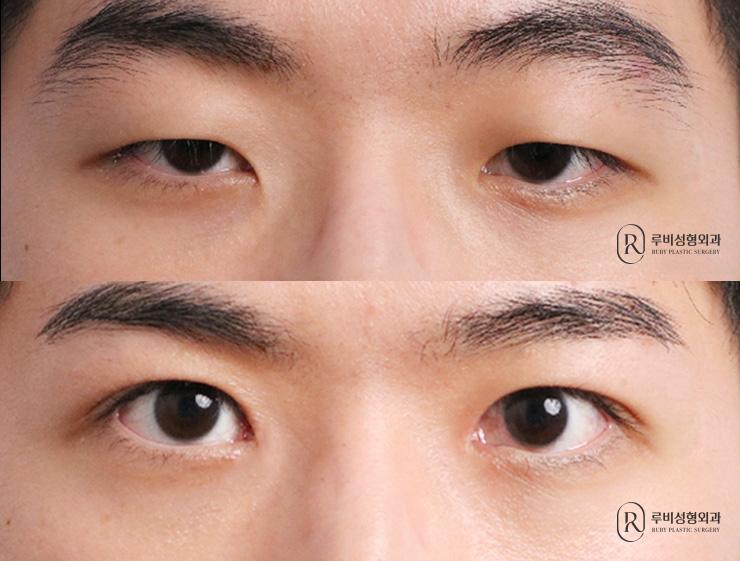
Men's natural adhesion, ptosis correction, epicanthoplasty
1 month after surgery

Natural adhesion, ptosis correction, epicanthoplasty, nasal bridge, nasal tip, short nose correction, zygoma reduction, angle reduction
6 months after surgery
Canthoplasty at Ruby Plastic Surgery
Extending the horizontal and vertical length of the eye for bigger, sparkling eyes!
01
Fresh, clear eyes
By adjusting the size and angle of the eyes, we create fresh, clear eyes.

02
Synergy with double eyelid surgery
It can be done alone, but combining it with double eyelid surgery can give an even more satisfying result.
03
Minimized scarring and side effects
With customized canthoplasty, we perform delicate suturing to reduce the burden of scars and side effects.

Differences by canthoplasty position
We choose the right canthoplasty among medial, upper, lateral and lower according to your condition and the area you want. The key is opening the eyes into a natural, refreshed look without visible scars.
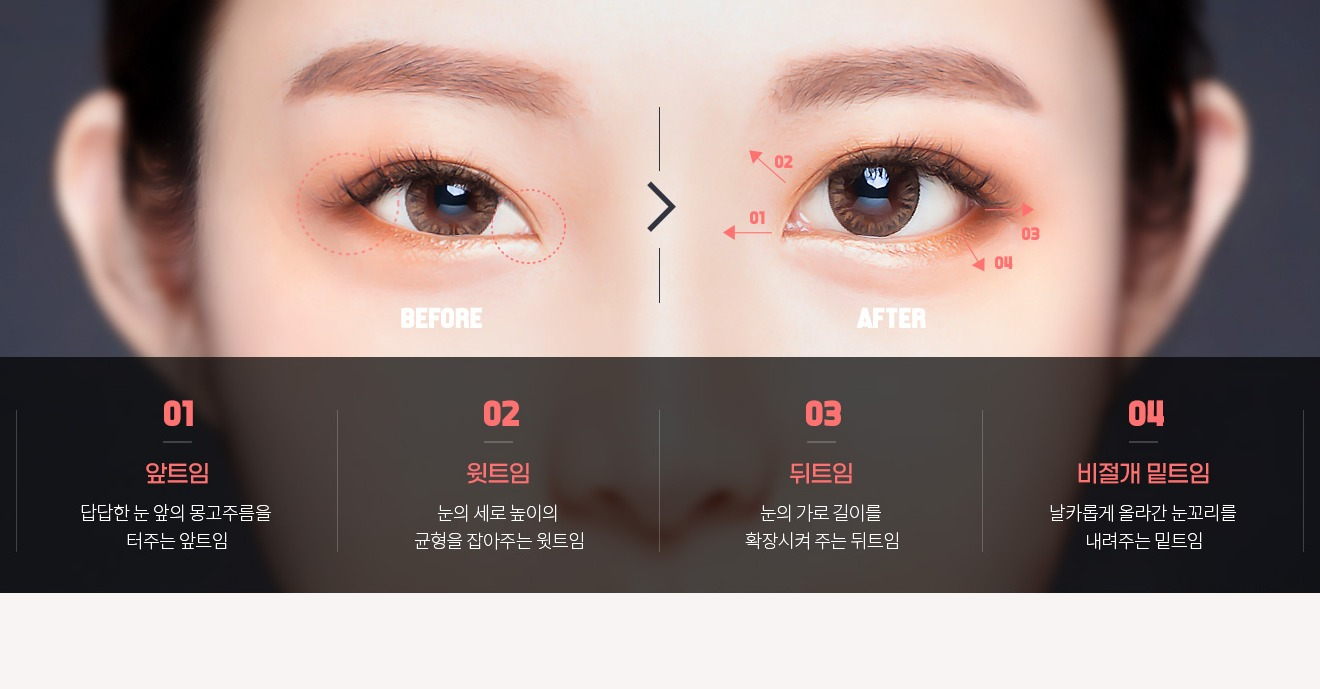
Medial canthoplasty process
The adhesion of the covering epicanthal fold is released and repositioned to extend the horizontal length of the eye. In medial canthoplasty, the degree of opening can vary depending on the distance between the eyes.
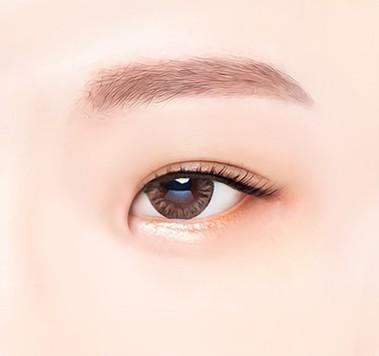
Before surgery
Eyes that have a double eyelid but still look heavy
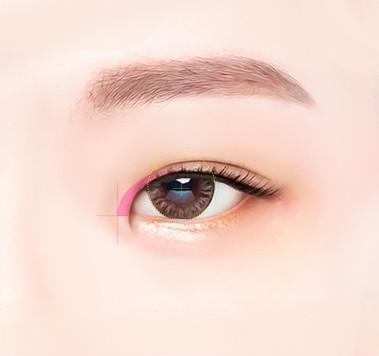
Design
We design with the balance between the face and the eyes in mind.
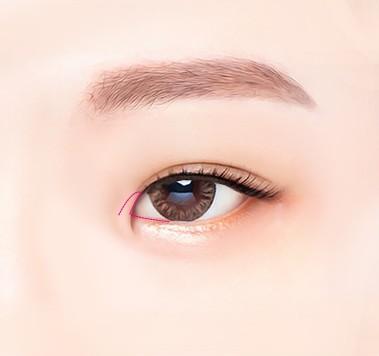
Epicanthal fold incision
According to the inner corner of the eye, the epicanthal fold is incised toward the inside of the eye.
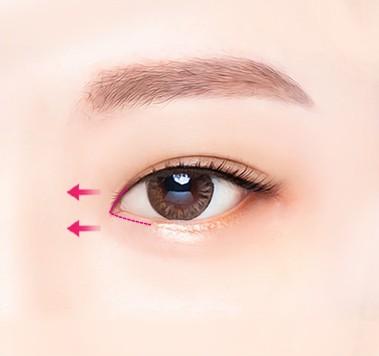
Delicate suturing
We suture toward the inside of the eye so that the incision line (scar) is not visible.
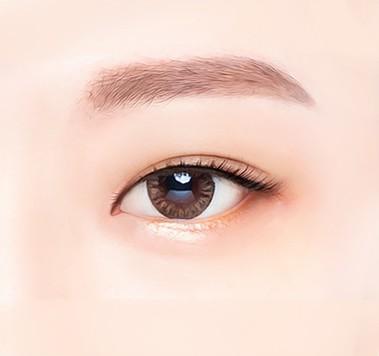
After surgery
The eyes become larger and more beautiful.
Upper canthoplasty process
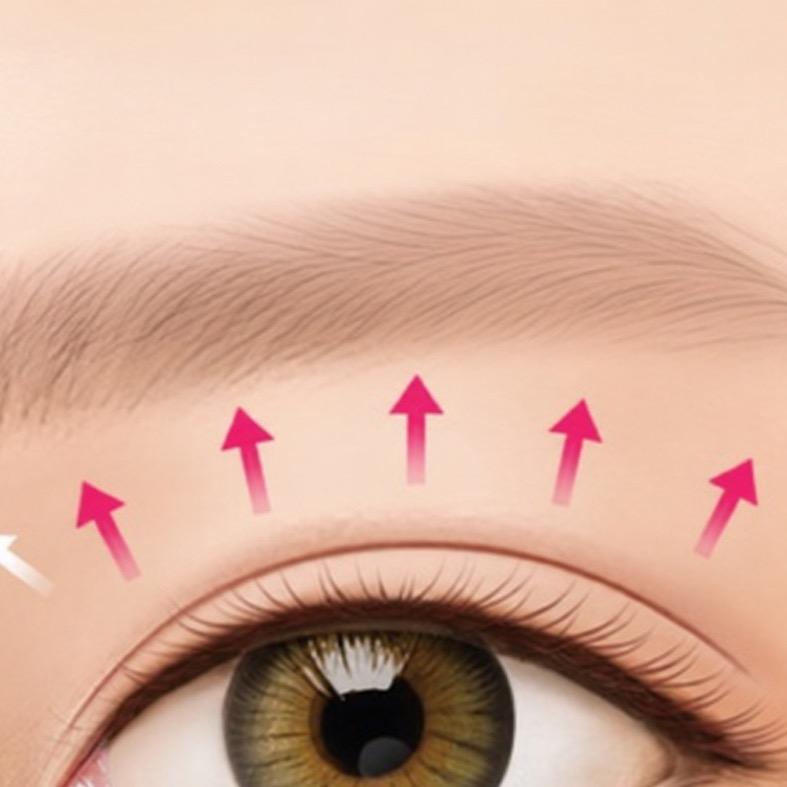
The covered skin at the front of the eye is raised upward at a 45-degree angle so that the double eyelid line is exposed freshly, changing the eyes into a large, clear look. It reduces the exposure of mucosa at the front of the eye and does not shorten the distance between the eyes, so the eyes do not look crowded.
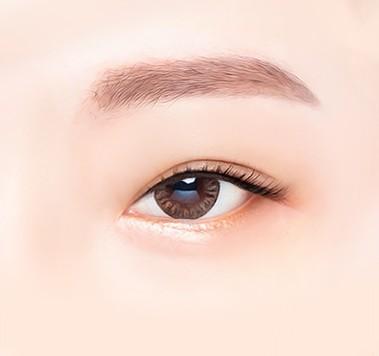
Before surgery
Eyes that have a double eyelid but still look heavy
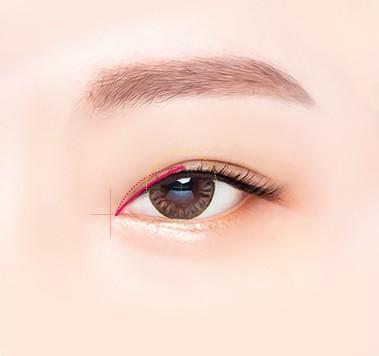
Design
We design with the balance between the face and the eyes in mind.
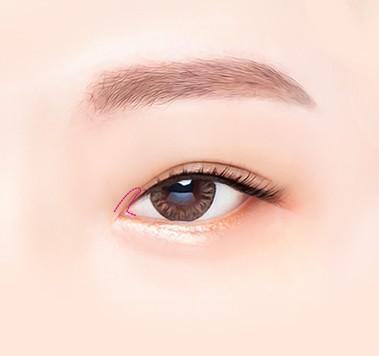
Epicanthal fold incision
According to the inner corner of the eye, the epicanthal fold is incised toward the inside of the eye.
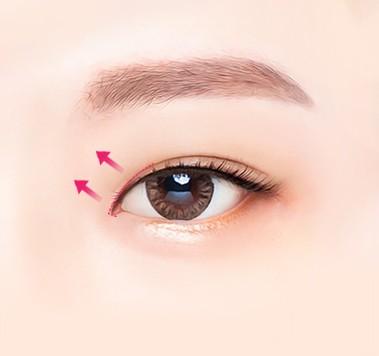
Delicate suturing
We suture toward the inside of the eye so that the incision line (scar) is not visible.
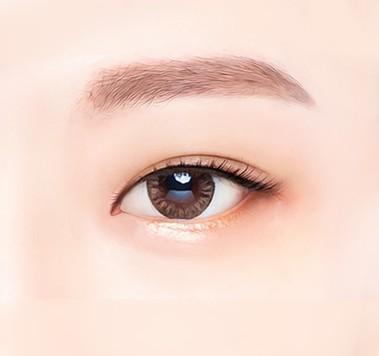
After surgery
The eyes become larger and more beautiful.
Lateral canthoplasty process
The conjunctiva inside the outer corner of the eye is incised to adjust the outer-corner angle, then fixed to the periosteum and delicately sutured. It is important to incise so that the outer-corner ligament is not damaged and fix it to the periosteum.
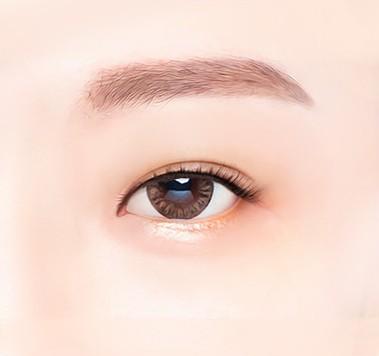
Before surgery
Eyes with a blocked outer corner that look short horizontally and heavy
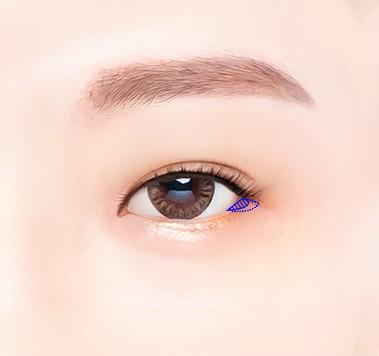
Design
We design after precisely assessing skin thickness and the space available for opening.
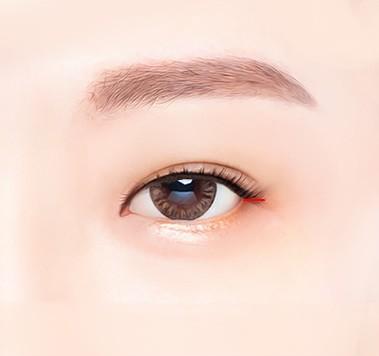
Micro-incision
A micro-incision is made outward along the wrinkle at the corner of the eye.
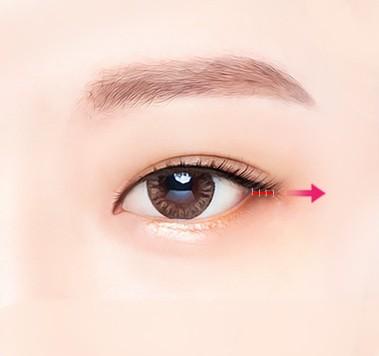
Delicate suturing
After firm fixation, we suture carefully.
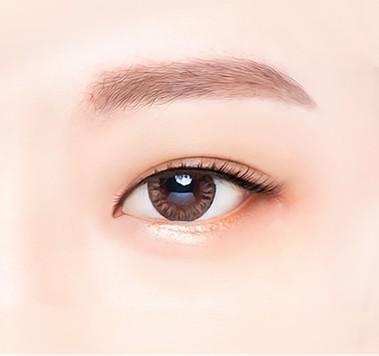
After surgery
The outer corner of the eye opens, completing fresh-looking eyes.
Non-incisional lower canthoplasty process
A tiny hole is made through the conjunctiva to adjust the outer-corner angle to each person's condition and fix it to the periosteum. Because there is no incision, the burden of surrounding tissue damage and side effects is reduced, and because there is no incision site, there are no stitches at all, which is convenient.
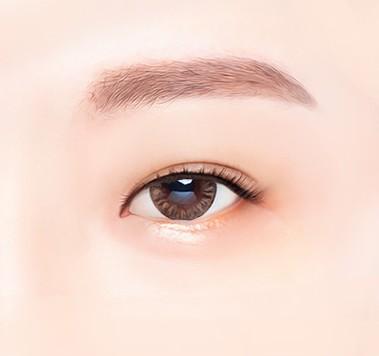
Before surgery
Eyes that have a double eyelid but still look heavy
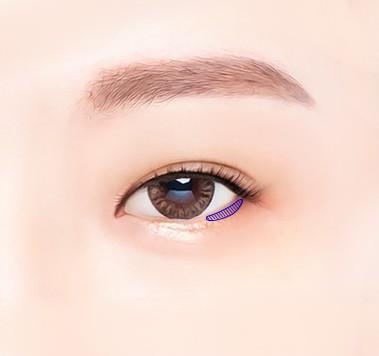
Design
We design with the balance between the face and the eyes in mind.
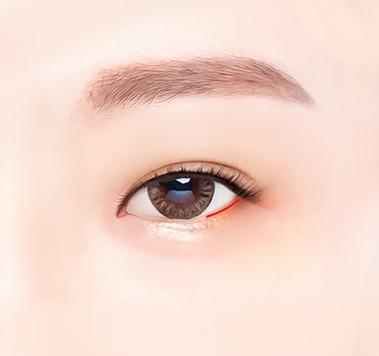
Micro-incision
A micro-incision is made outward along the wrinkle at the corner of the eye.

Delicate suturing
After pulling at a 45-degree direction, we suture carefully.
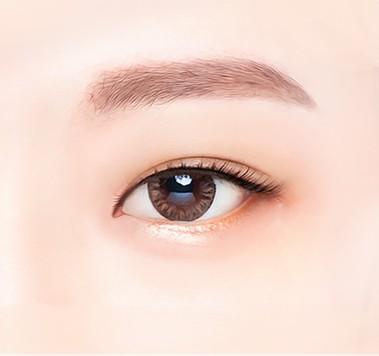
After surgery
The sclera is exposed appropriately, giving the effect of outer corners that look lowered.

A choice for bigger, fresher eyes!
Fresh, defined eyes; extending the horizontal and vertical length of the eyes An ideal eye proportion for your face; improving a heavy eye shape by correcting the epicanthal fold and outer corner
Who eye-corner surgery suits
At consultation we look at eye openness, length, size and the angle of the outer corner.
Wider, open eyes
When you want fresher-looking eyes
Longer, larger eyes
When you want to increase the length and size of your eyes

Improving current shape
When you want to improve your existing eye shape

Unsatisfied after double eyelid
When you are not satisfied with your eye shape after double eyelid surgery

Outer-corner angle
When you want to adjust the angle of the outer corners

Epicanthal fold concern
When the epicanthal fold at the front of the eye makes your eyes look heavy
Four promises we keep
Beyond beauty, we practice medicine that adds value to your life.
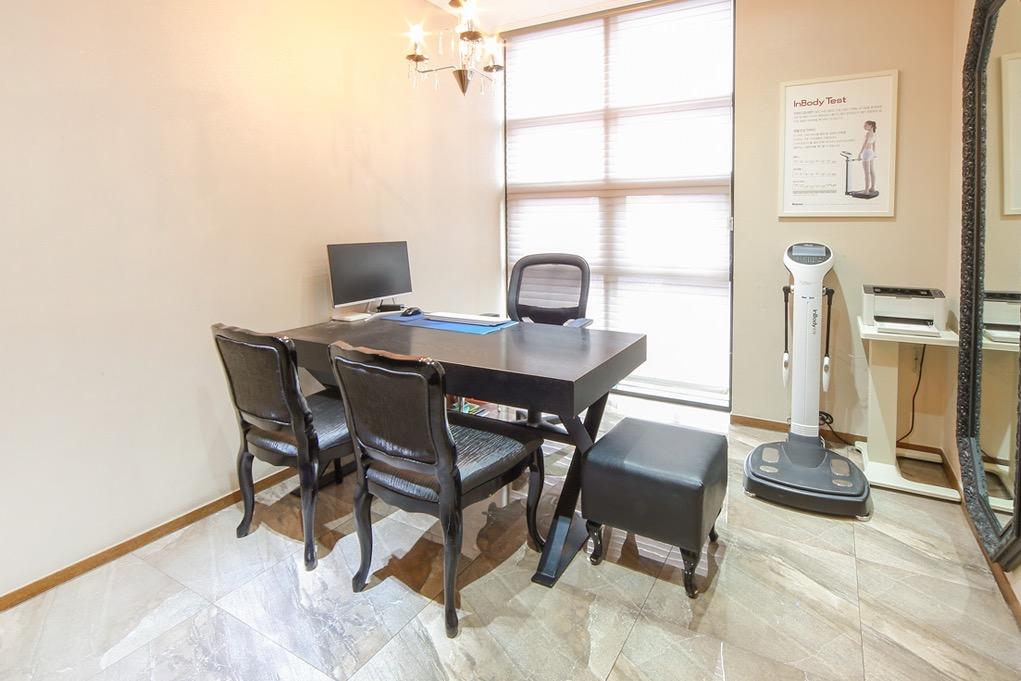
Honest consultation, principled surgery
We consult without exaggeration and operate by principle.
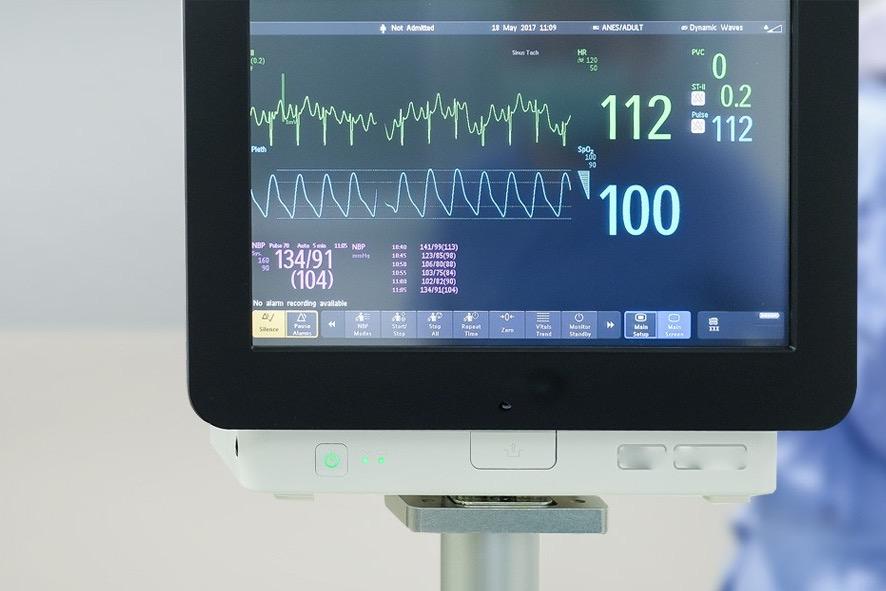
Safety from the basics
Accidents can start from small details, so we follow every safety rule carefully.

One dedicated specialist
Your specialist handles consultation, surgery and aftercare. No shadow doctors.
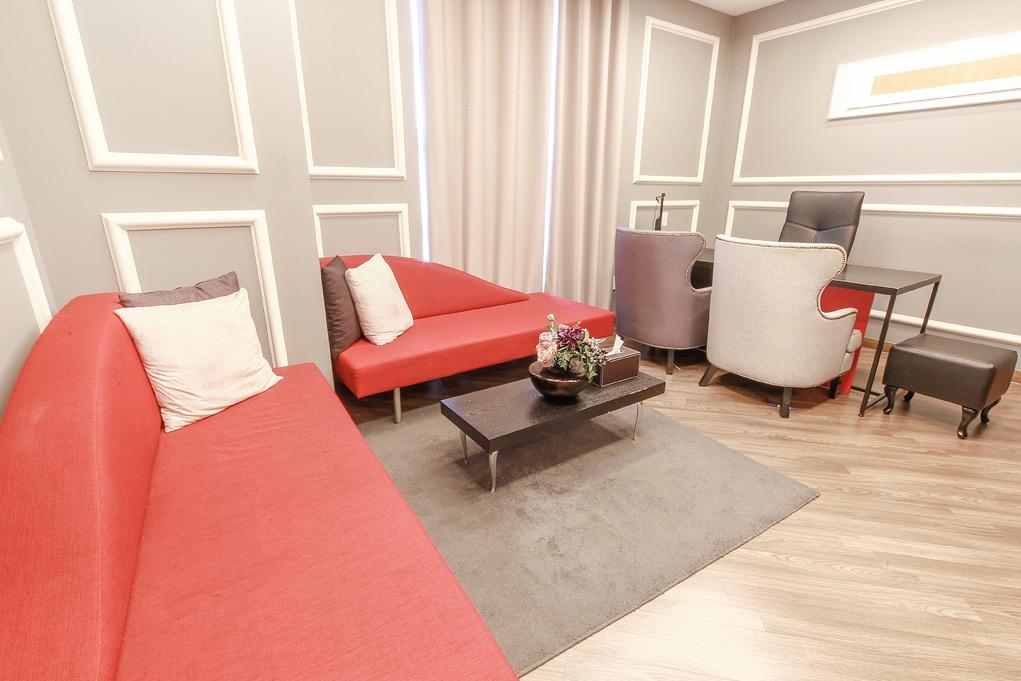
Results that suit you
We find the beauty that fits your features and personality.
FAQ: Canthoplasty Position and Surgery Combinations
Frequently asked questions about distinguishing medial, upper, lateral and lower canthoplasty and combining it with double eyelid surgery.
How do medial and lateral canthoplasty differ?
If the epicanthal fold at the front of the eye is your concern, we look at medial canthoplasty; if the length and angle of the outer corner is your concern, we look at lateral canthoplasty. The actual method is decided after checking your eye condition.
Can I consult about it together with double eyelid surgery?
Canthoplasty can be considered alone or together with double eyelid surgery. The combination and scope needed are judged at your consultation.
Post-Surgery Precautions
Side effect information: Complications that can generally occur after surgery, such as bleeding, infection and inflammation, may vary in degree from person to person, so caution is needed.
Related Eye Surgery
Explore eye surgery care by area and method.






Get started with an easy inquiry or booking
Reach us by phone, messenger or online. Our chatbot is available 24 hours a day.