

Short Nose Correction
Short nose correction finds the nose length that suits your face without straining the skin.
Procedure information
From surgery time to recovery, see the short nose correction schedule at a glance.
Surgery time
About 1 hour
Anesthesia
Painless sedation

Hospitalization
Not required

Stitch removal
After 7-14 days
Follow-up visits
3-4 visits

Recovery period
After 1-2 weeks
Ruby Short Nose Correction
This surgery corrects a short nose with visible nostrils, considering internal tissues such as skin, cartilage and septum.

Why noses are short
It is congenital or results from side effects of past nose surgery.

Internal tissues
All internal tissues such as skin, cartilage and septum are considered.

Experienced team
As a difficult surgery, an experienced, skilled team is important.
Before & After
These are before-and-after photos of patients who had surgery at Ruby Plastic Surgery. Results and side effects may vary by individual. We recommend a thorough consultation with our medical team.
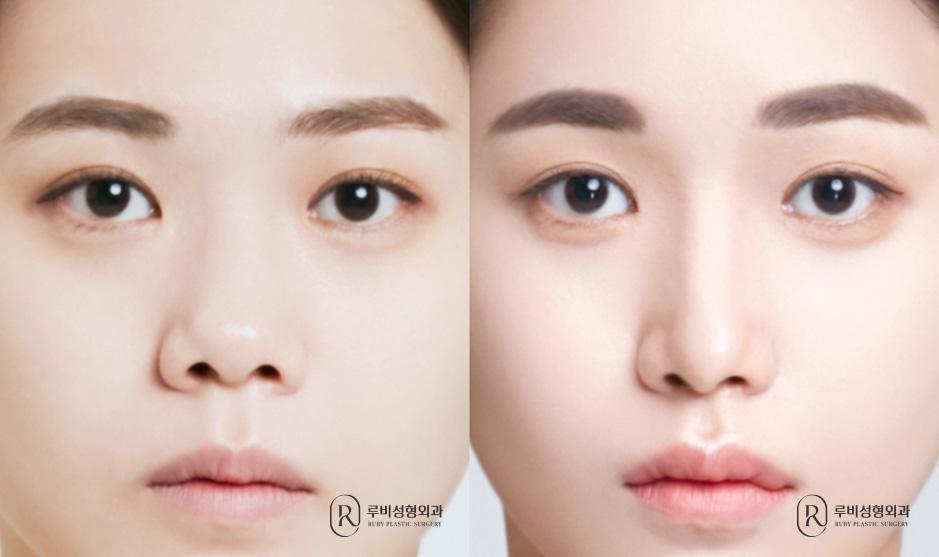
Nasal bridge, nasal tip, alar cinching, short nose correction
3 months after surgery
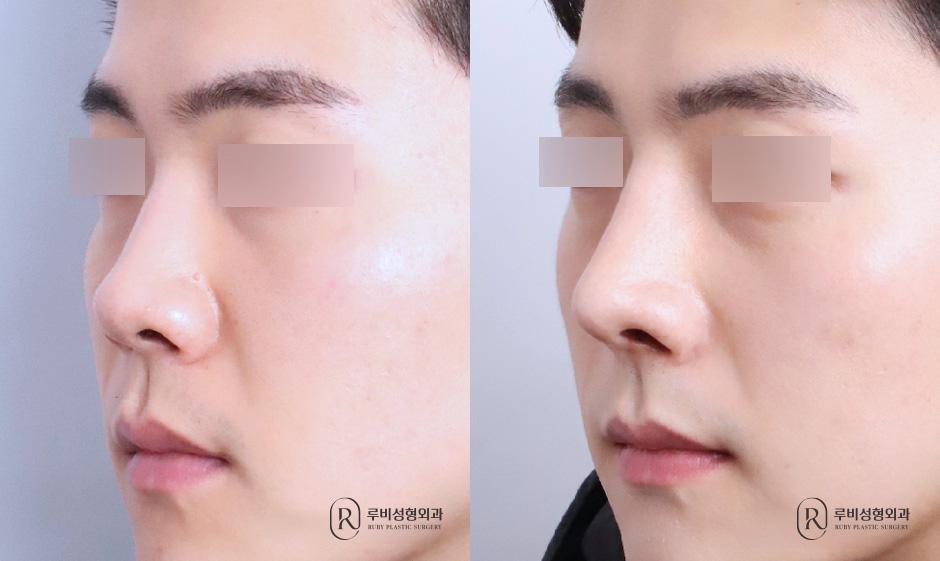
Nose bridge, nose tip, humpectomy, short nose correction, alar cinching
1 month after surgery
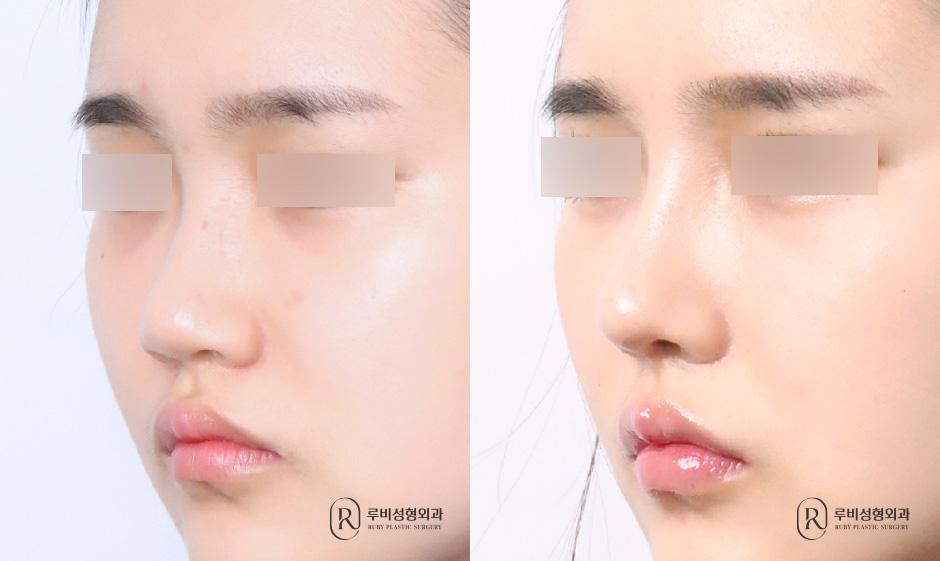
Nasal bridge, nasal tip, short nose correction, donor cartilage
3 months after surgery
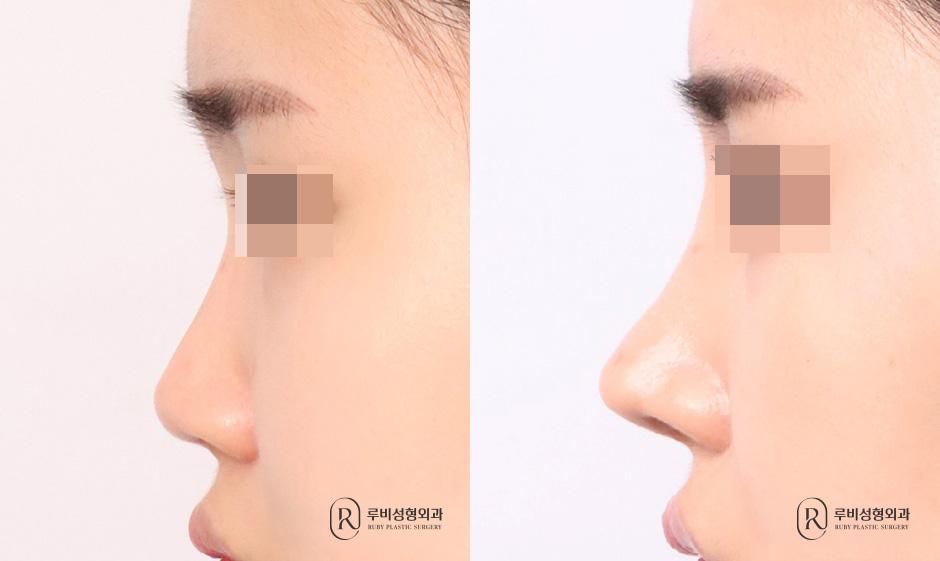
Nasal bridge, nasal tip, short nose correction
3 months after surgery
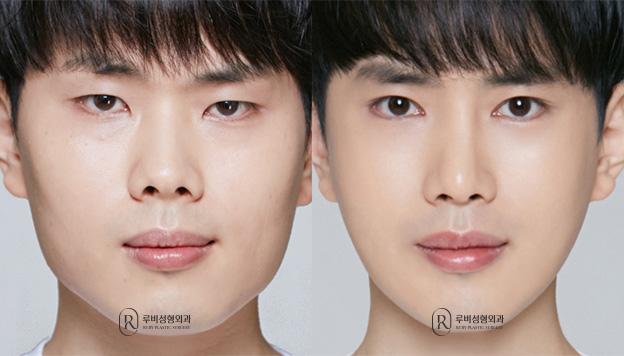
Natural adhesion, ptosis correction, epicanthoplasty, nasal bridge, nasal tip, short nose correction, zygoma reduction, angle reduction
6 months after surgery
What sets our short nose correction apart
We analyze bridge and tip angles to lengthen the nose naturally.

A more defined look
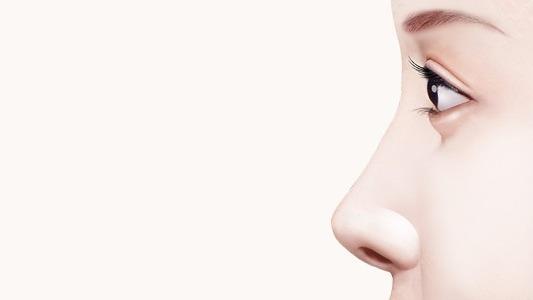
A short nose with a dated image becomes long and defined, changing to a refined, three-dimensional image.
Natural lengthening
By analyzing the angle of the nasal bridge and nasal tip, the nose can be extended to a length natural for your face.

Harmony with the face
Through consultation, diagnosis and analysis by a nose surgery specialist team, we create the nose line that best harmonizes with each person's face.
The golden ratio of the nose
We design the nose line by analyzing ratios such as the 1 to 1 to 0.8 frontal vertical ratio and a 120 to 140 degree forehead-to-bridge angle.
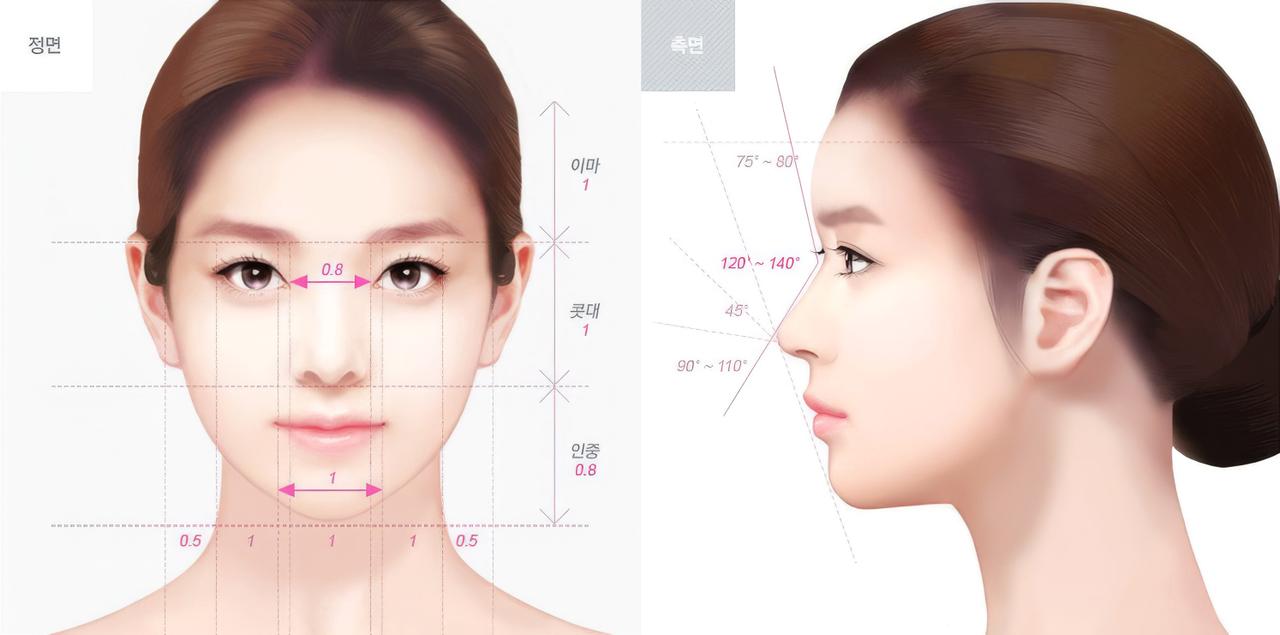
Front proportions
Vertical facial ratio of 1:1:0.8; nostril-wing width equals the distance between the eyes, about 0.8 of the whole face
Forehead–bridge angle
When the angle between the forehead and nasal bridge is 120–140 degrees
Bridge and chin aligned
When the nasal bridge and chin tip line up in a straight line
Lip–columella angle
When the angle between the lip and columella is 95–110 degrees
Columella–tip angle
When the angle between the columella and nasal tip is about 45 degrees
Horizontal–lip angle
When the angle between the horizontal line and the lip is 75–80 degrees
Causes of a short or upturned nose
The causes of a short or upturned nose can be divided into congenital, aftereffects of an accident, and faulty nose surgery. A short or upturned nose can be improved by applying the surgical method suited to the cause and degree of symptoms.
Congenital cases
When the nasal bone, cartilage, skin and so on are underdeveloped
Aftereffects of an accident
When the nasal bone and septal cartilage have collapsed due to trauma from an accident
Faulty nose surgery
When faulty nose surgery caused inflammation and contracture
When the condition is mild
The key is lengthening the nose while extending the outer skin at the same time. The alar cartilage of the tip is released and fixed lower, bringing the tip down so the nose looks longer.
Before surgery
A short nose
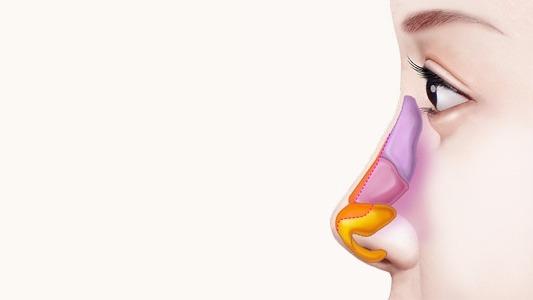
Alar cartilage dissection
Dissecting the alar cartilage at the nasal tip
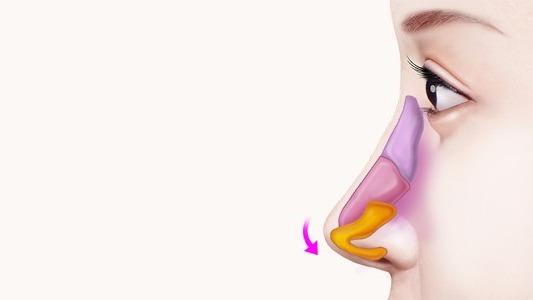
Fixing downward
The nasal wing is lowered and fixed
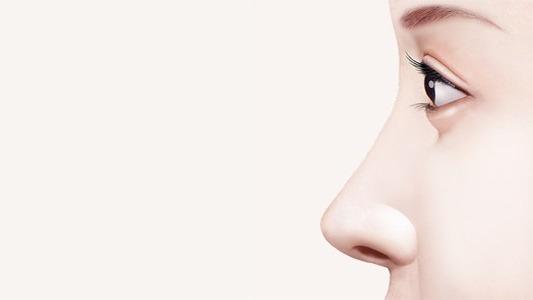
After surgery
A nose line of the right length
When cartilage adjustment alone is not enough
By grafting additional cartilage between the septal cartilage and the alar cartilage, the length of the nasal tip can be extended effectively. The cartilage used for grafting is mainly septal cartilage, and in some cases ear cartilage or rib cartilage is used.
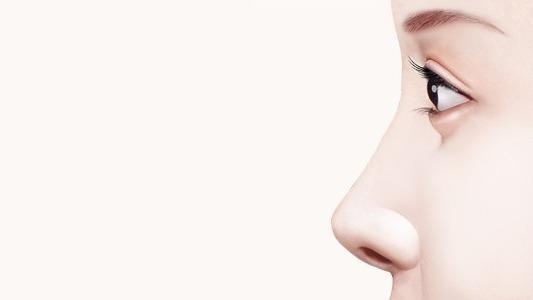
Before surgery
A short nose
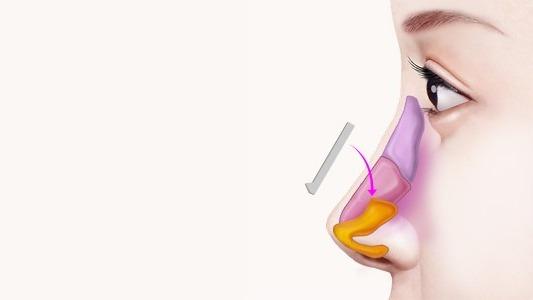
Autologous tissue insertion
Inserting suitable autologous tissue
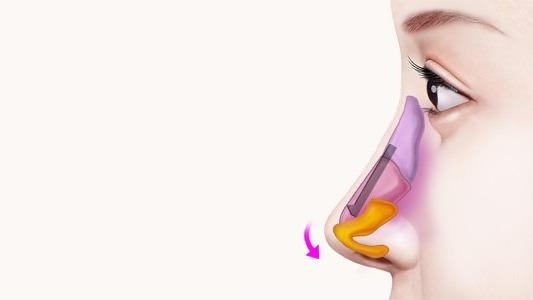
Fixing downward
Lowering the nasal tip
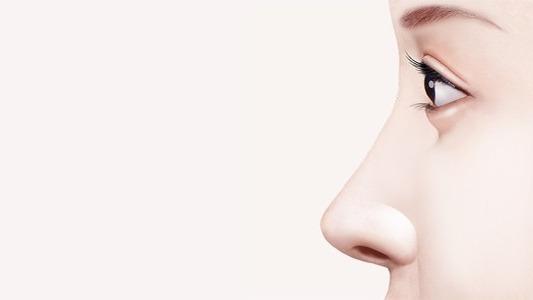
After surgery
A nose line of the right length
When the columella is retracted
Improvement requires assessing whether the septal length and the size of the alar cartilage are appropriate, and combining surgery that pulls the columella forward or adjusts the length of the nasal wing.
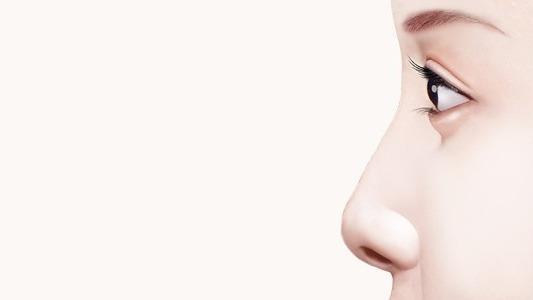
Before surgery
A short nose with a sunken columella
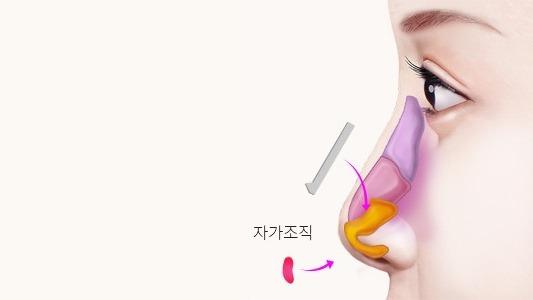
Autologous tissue insertion
Inserting suitable autologous tissue
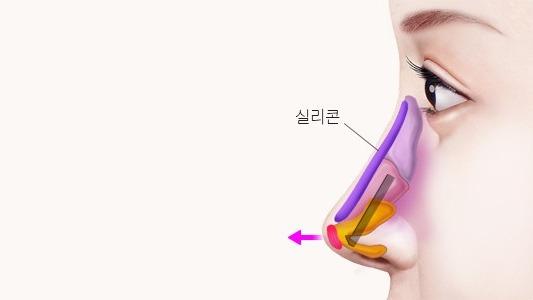
Correcting the nasal bridge, nasal tip and nasal wings
Pulling the columella forward or correcting nasal wing length and the nasal tip
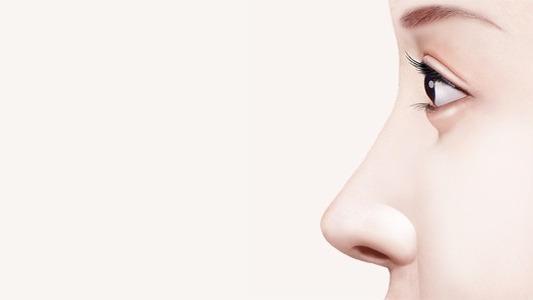
After surgery
A nose line of the right length
Want to find the ideal nose length without nostril exposure?
Extending nose length; reduced nostril exposure Improved nose angle and height; a three-dimensional, refined face
Who short nose correction suits
At consultation we review nose length, tip angle, nostril exposure and facial proportion.
Proportionate nose length
When you want a nose length and line that suit your facial proportions

Short, upturned nose
When the nose is short and turns upward
Flat-looking face
When a short nose makes the face look flat
Visible nostrils
When the nasal tip turns up and nostril exposure is severe
Upturned tip, normal length
When your nose length is normal but you are concerned about an upturned nose
Shortened after surgery
When the nose became short or upturned after previous nose surgery
Four promises we keep
Beyond beauty, we practice medicine that adds value to your life.
Honest consultation, principled surgery
We consult without exaggeration and operate by principle.
Safety from the basics
Accidents can start from small details, so we follow every safety rule carefully.

One dedicated specialist
Your specialist handles consultation, surgery and aftercare. No shadow doctors.
Results that suit you
We find the beauty that fits your features and personality.
Frequently Asked Questions
We explain the causes of short and upturned noses and the consultation criteria.
What causes a short or upturned nose?
Congenital underdevelopment, the aftereffects of an accident, or changes after previous nose surgery may be causes. The actual cause is confirmed at your consultation.
What is checked in a consultation?
We look at nose length, nasal tip angle, the supporting structure inside the nose and the skin condition. Extending the nose length and the outer skin are considered together.
Post-Surgery Precautions
Side effect information: Complications that can generally occur after surgery, such as bleeding, infection and inflammation, may vary in degree from person to person, so caution is needed.
Related Nose Surgery
Explore nose surgery care by area and method.







Get started with an easy inquiry or booking
Reach us by phone, messenger or online. Our chatbot is available 24 hours a day.