

Nose Revision
Nose revision aims to be your last surgery, without repeats, through accurate cause analysis.
Procedure information
From surgery time to recovery, see the nose revision schedule at a glance.
Surgery time
Varies by method
Anesthesia
Painless sedation

Hospitalization
Not required
Stitch removal
After 7-14 days
Follow-up visits
3-4 visits
Recovery period
After 1-2 weeks
Ruby Nose Revision
To help prevent yet another revision, surgery is delicate and precise, based on accurate cause analysis and diagnosis.

Why revision
Dissatisfaction with the shape or post-surgery problems are the usual causes.
Accurate diagnosis
Surgery follows accurate cause analysis and diagnosis.

Rich experience
Consulting a team experienced in nose revision is important.
Before & After
These are before-and-after photos of patients who had surgery at Ruby Plastic Surgery. Results and side effects may vary by individual. We recommend a thorough consultation with our medical team.
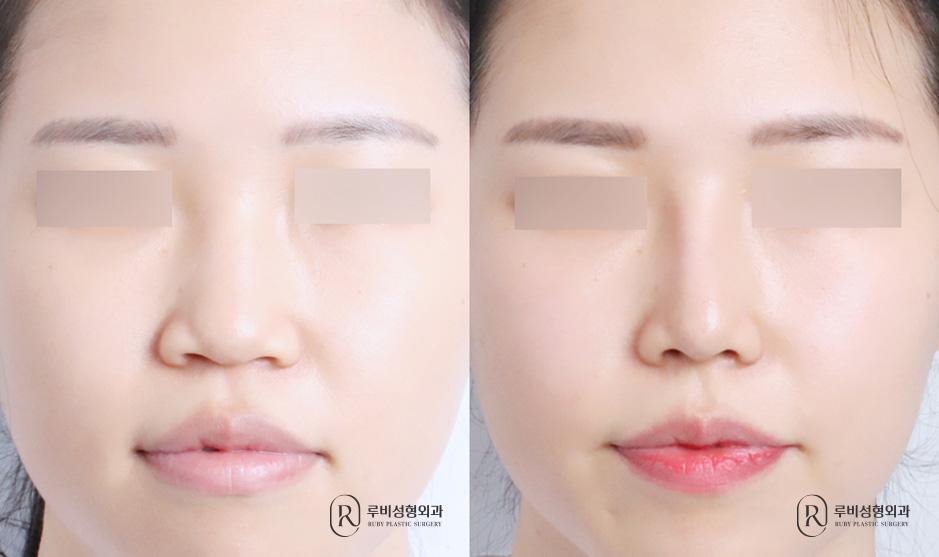
Nose bridge, nose tip, humpectomy, nose revision, alar cinching
3 months after surgery
Nose revision at Ruby Plastic Surgery
With Ruby's rich surgical experience and know-how, healing even the heart~
POINT 01
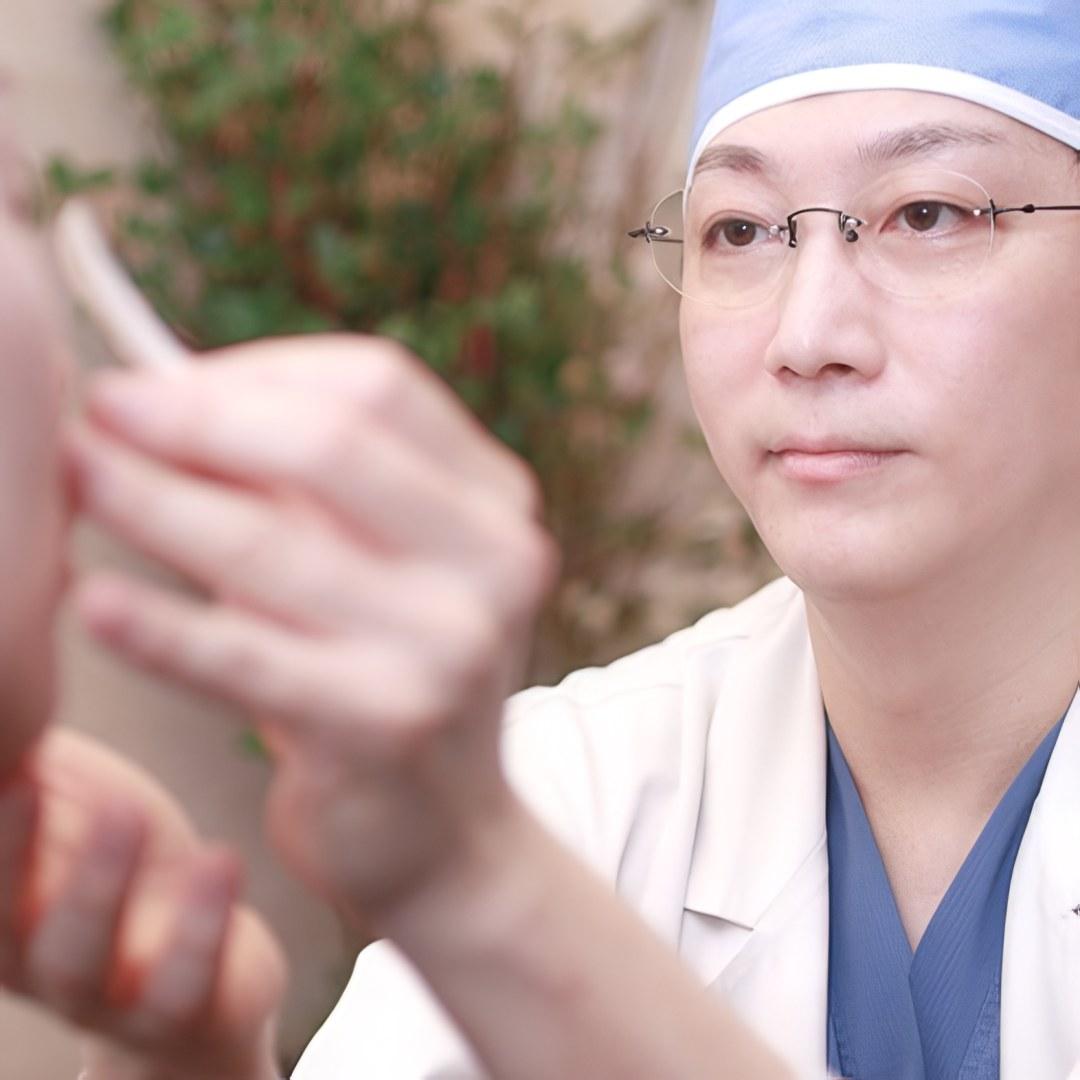
We precisely analyze why the previous nose surgery failed.
By precisely analyzing the cause of the previous nose surgery's failure, a surgical method suited to each person can be applied.
POINT 02
We perform one-on-one customized nose revision.
By performing one-on-one customized nose revision that suits each person's condition and desired shape, a satisfying result can be achieved.
POINT 03
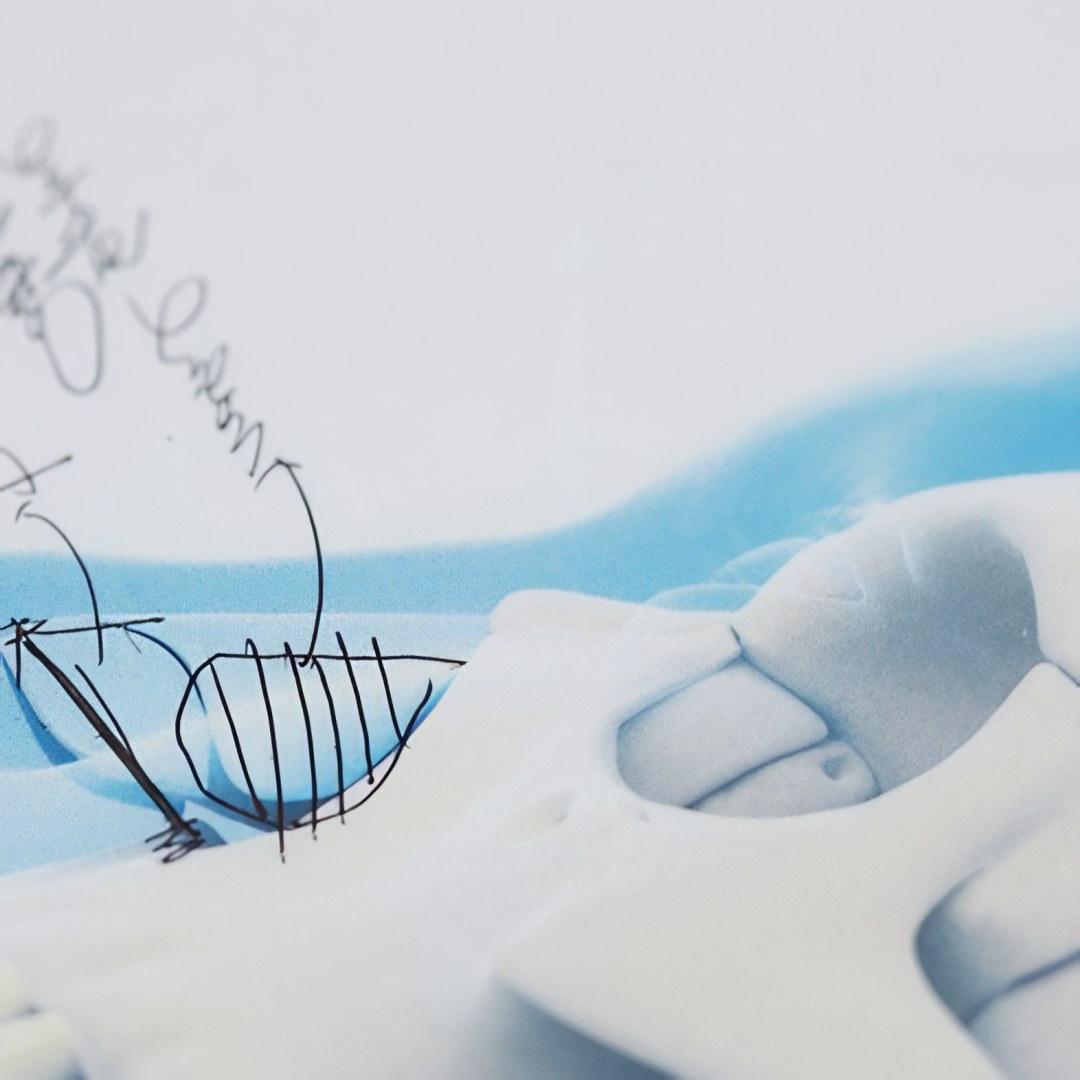
Restoring anatomical structure
The anatomical structure damaged by previous surgery can be restored closer to normal, creating a natural nose line.
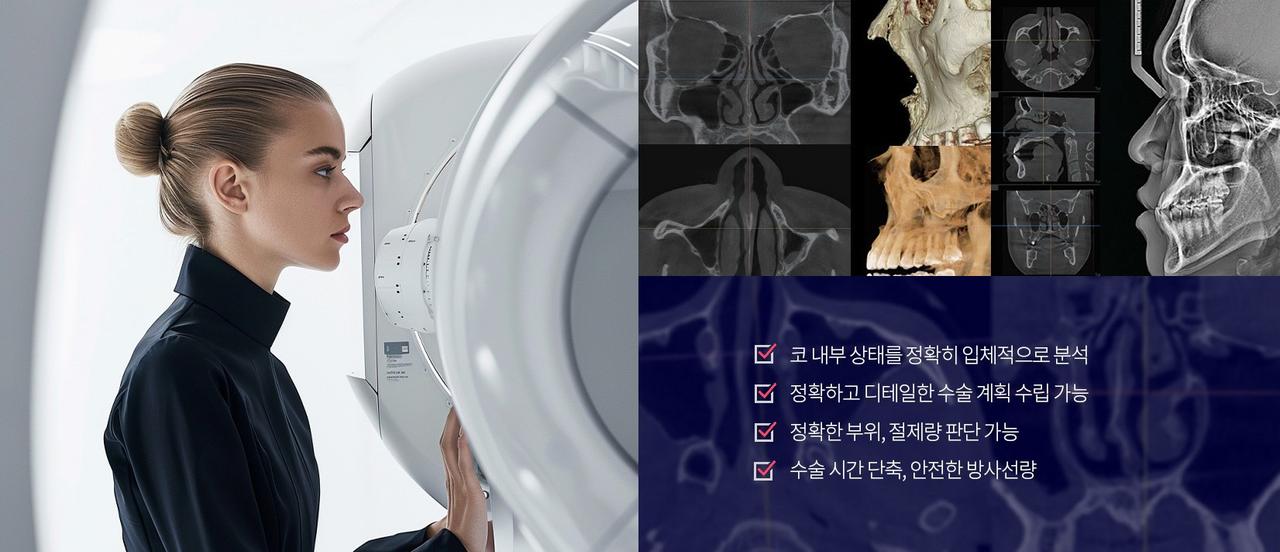
Precise 3D CT analysis
3D CT analyzes even tissue not visible from outside in three dimensions. It helps improve both the function and the look of the nose and makes surgery more accurate.
Timing of nose revision
To avoid a second or third revision after one revision, it is important to first consult a specialist medical team and decide the timing of surgery after accurate diagnosis and analysis.
After the tissue has stabilized
Generally, a proper judgment can be made about 6 months after the first surgery, so we recommend revision surgery after 6 months have passed since the operation.
If you had simple bridge augmentation
If you had simple bridge augmentation that only raised the nasal bridge, revision surgery is possible even within 3 months after surgery.
If inflammation has occurred
If inflammation has occurred, the implant is first removed, and revision surgery is performed after confirming the inflammation has completely subsided.
Artificial implants
Based on the traits, pros and cons of artificial implants and autologous tissue, we choose the material that suits each person's symptoms and condition. For artificial implants, we choose the most harmless option among non-absorbable products that keep their shape and absorbable products that break down in the body.
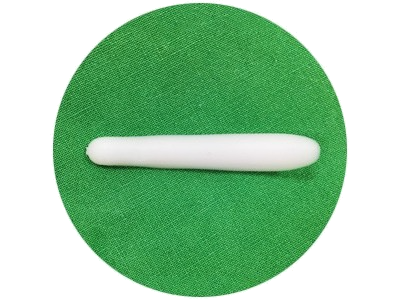
Silicone
It is easy to carve, so it can be used to match the nose shape. It is an FDA-approved material that tends to show little deformation or absorption in the body.
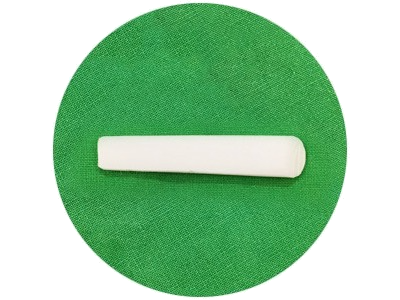
Gore-Tex
Its surface has tiny pores into which skin tissue seeps, giving good adhesion. If inflammation occurs it is hard to remove, so silicone is recently preferred over Gore-Tex.
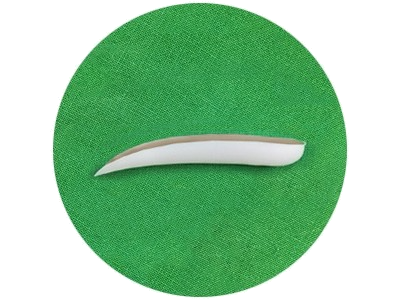
Silitex
This is an implant that combines only the advantages of silicone and Gore-Tex. It has excellent support, suiting a defined nasal bridge, a male nose and thick skin.
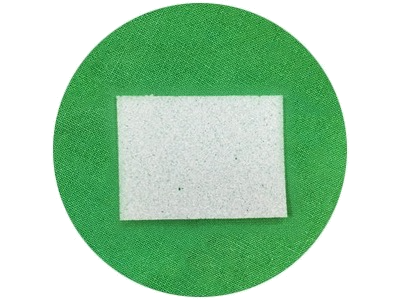
Medpor
Also called artificial bone, it is inserted into the columella or septum and used to raise the nasal tip.
Autologous tissue
Autologous tissue is taken from your own body, so side effects are less common and it takes well, creating a more natural nose shape. Above all, it is important to understand each tissue's traits and choose the one that fits your symptoms and condition.
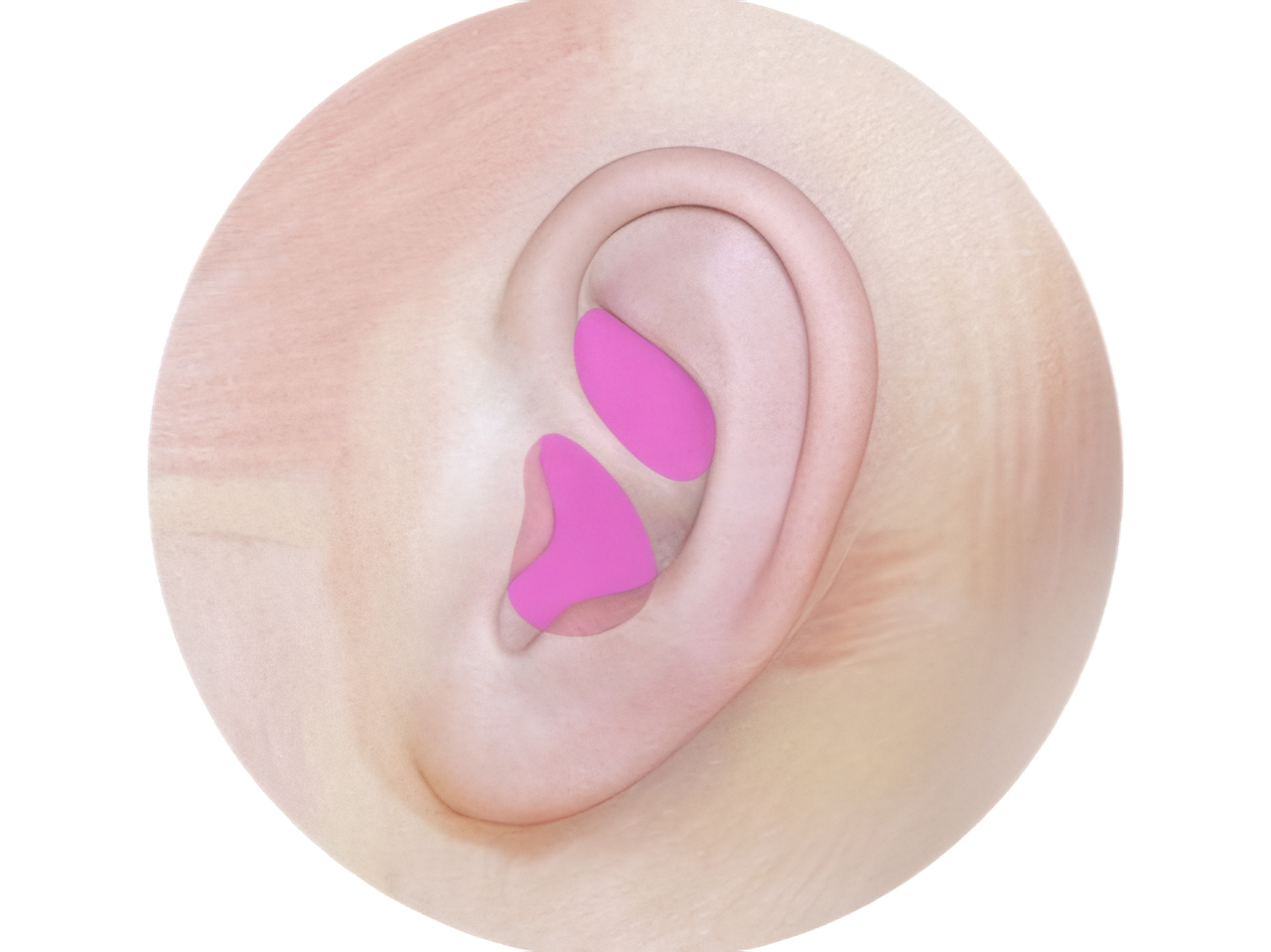
Ear cartilage
The cartilage shape is similar to the nose, round and elastic, so it is useful for building the structure of the nasal tip, and it is suited for additional use when septal cartilage is insufficient.
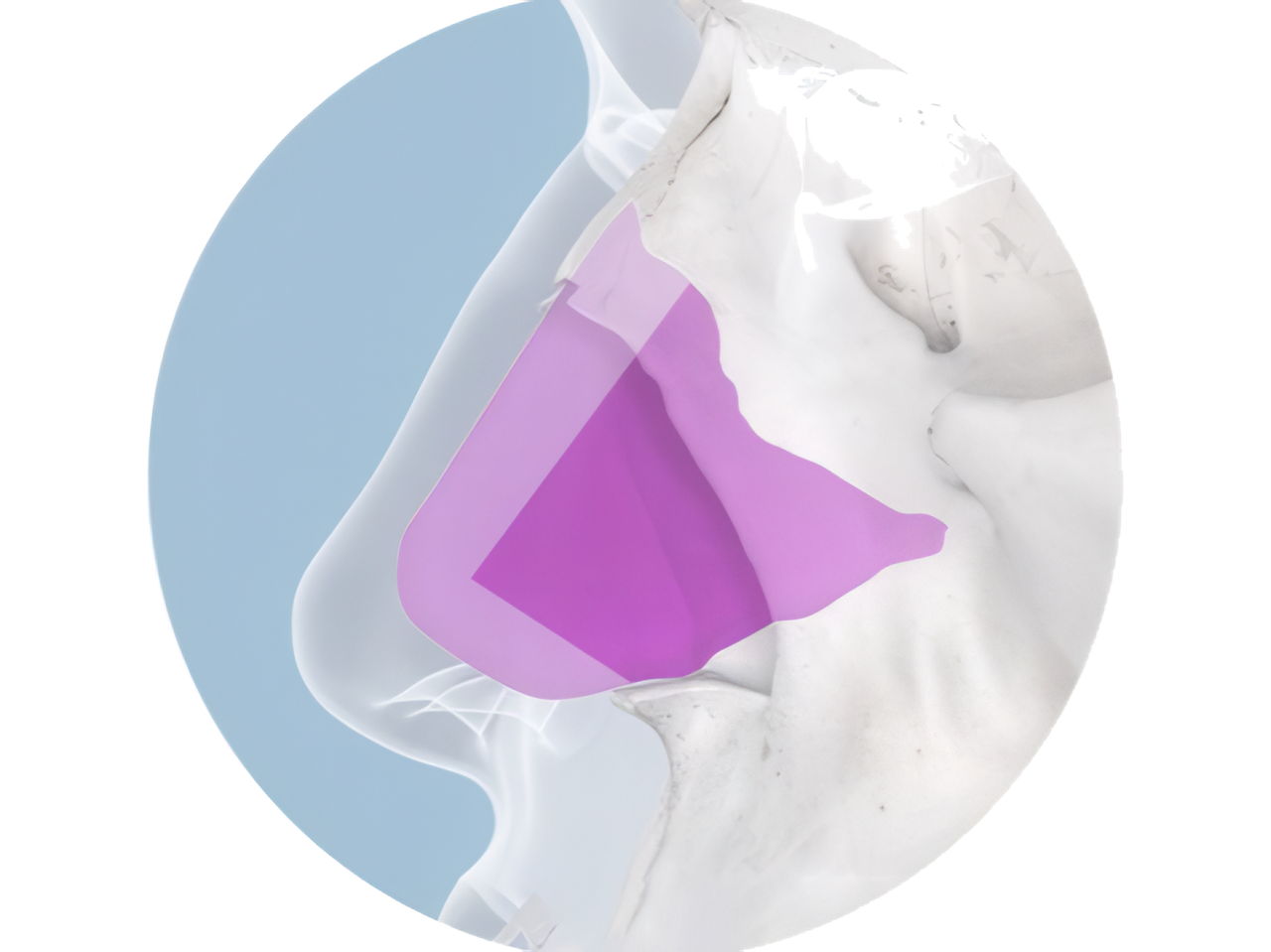
Septal cartilage
Septal cartilage inside the nose is carved and mainly used to raise the nasal tip or extend nose length. Because it is harvested from inside the nose, no separate incision is needed, which is an advantage.
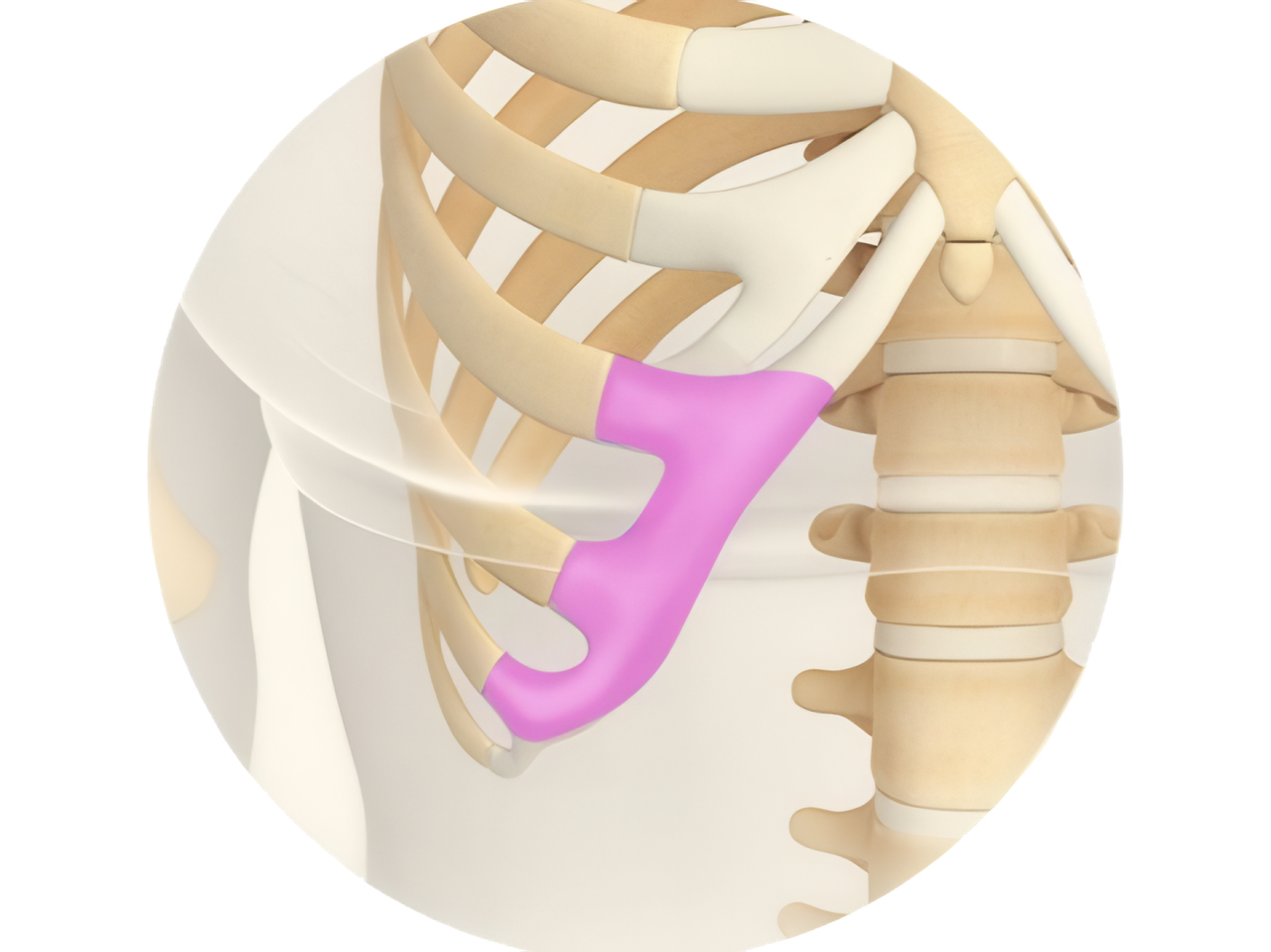
Costal cartilage (rib cartilage)
Costal cartilage beneath the ribs has a relatively low risk of side effects, strong support and durability, and especially a sufficient amount can be obtained, making it a surgical material that satisfies both functional and aesthetic aspects.
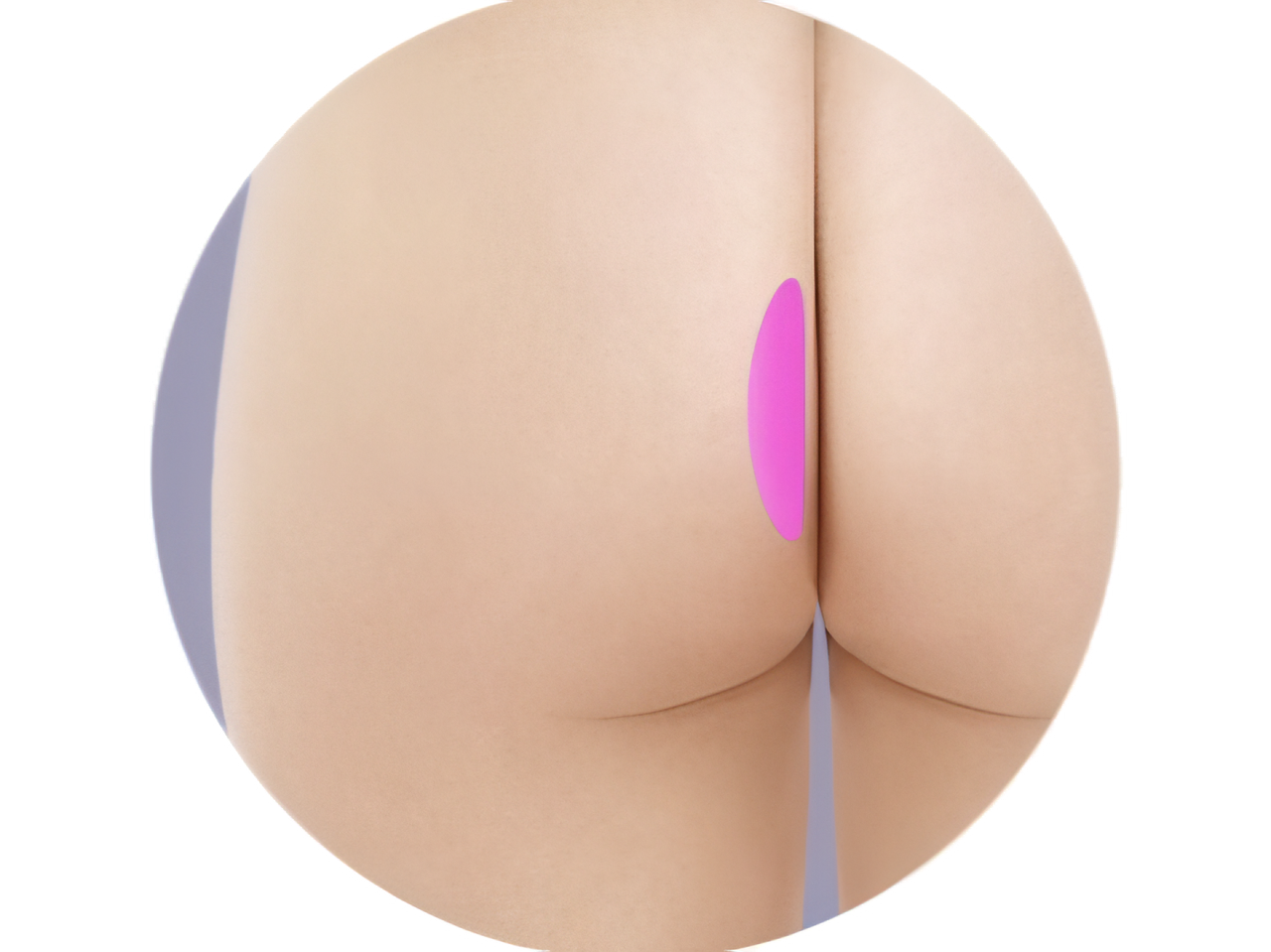
Autologous dermis
Dermis fills the area beneath the skin when the skin over the nasal bridge is thin or the soft tissue of the nose is lacking. With little foreign-body sensation, it is a highly satisfying material when the skin is sensitive or thin.
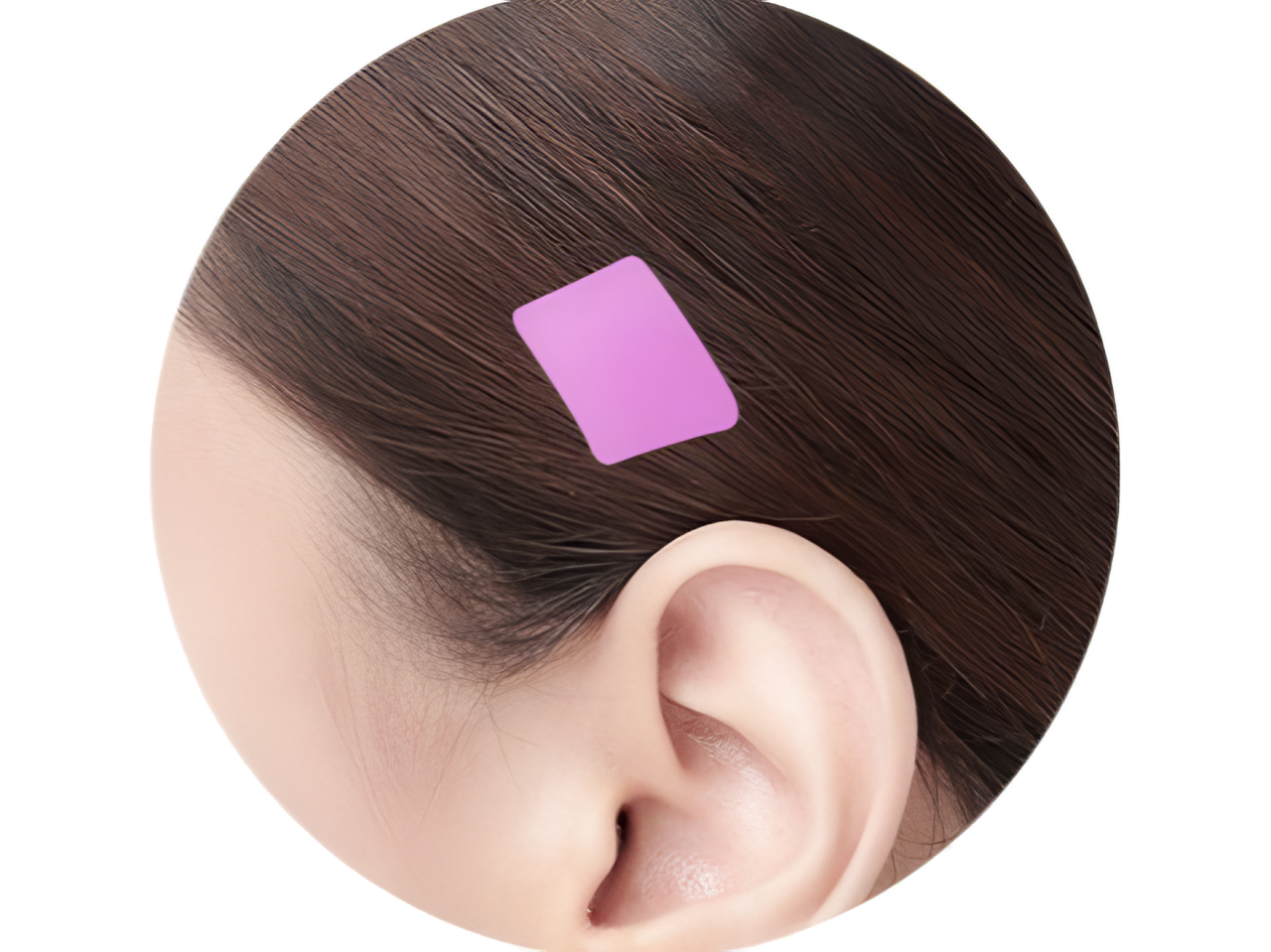
Fascia
Mainly the temporal fascia from inside the scalp is used. Wrapping the implant in fascia adds another layer of fascia between the implant and the skin, so it is mainly used when the skin is thin.
Nose revision by symptom
Nose revision is a highly difficult surgery, and above all the capability of the medical team matters. Ruby Plastic Surgery's medical team offers a natural, beautiful nose line with rich know-how and skill in nose revision.
CASE 01
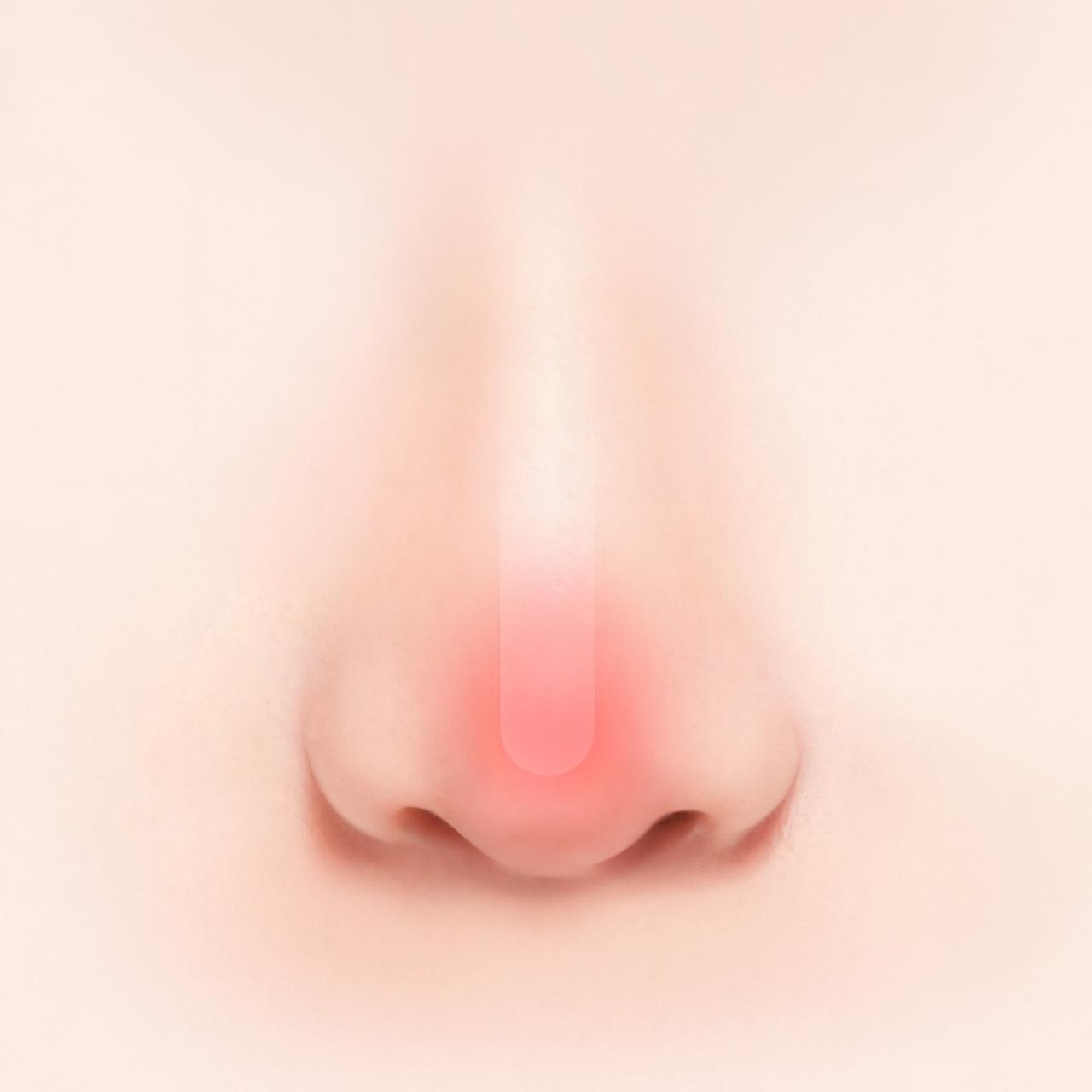
When the implant shows through
If the implant is thick, does not fit the nasal bone contour, or the skin is thin, it shows through and looks operated. We lower it or switch to one that fits the bone contour, and wrap it in artificial dermis if the skin is thin.
CASE 02
When the implant moves
If the implant was placed in another layer instead of under the periosteum of the nasal bone, the nose moves. We replace the implant and secure a proper space under the periosteum for revision.

CASE 03
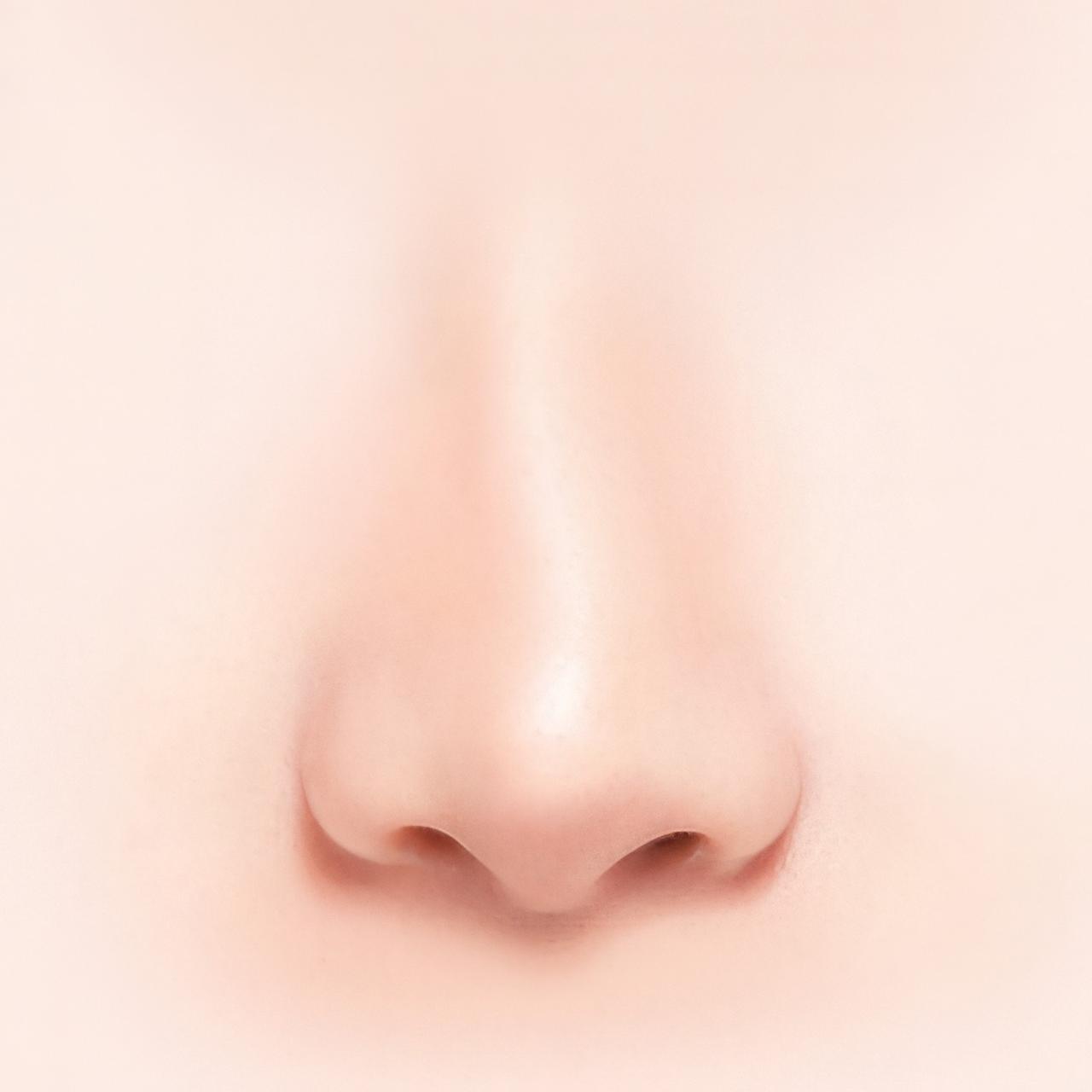
When the nasal bridge is deviated
A previous surgery has bent the bridge, making it look unnatural and unbalancing the face. We lower the tip that takes heavy pressure and reinforce cartilage opposite the bend to center it.
CASE 04
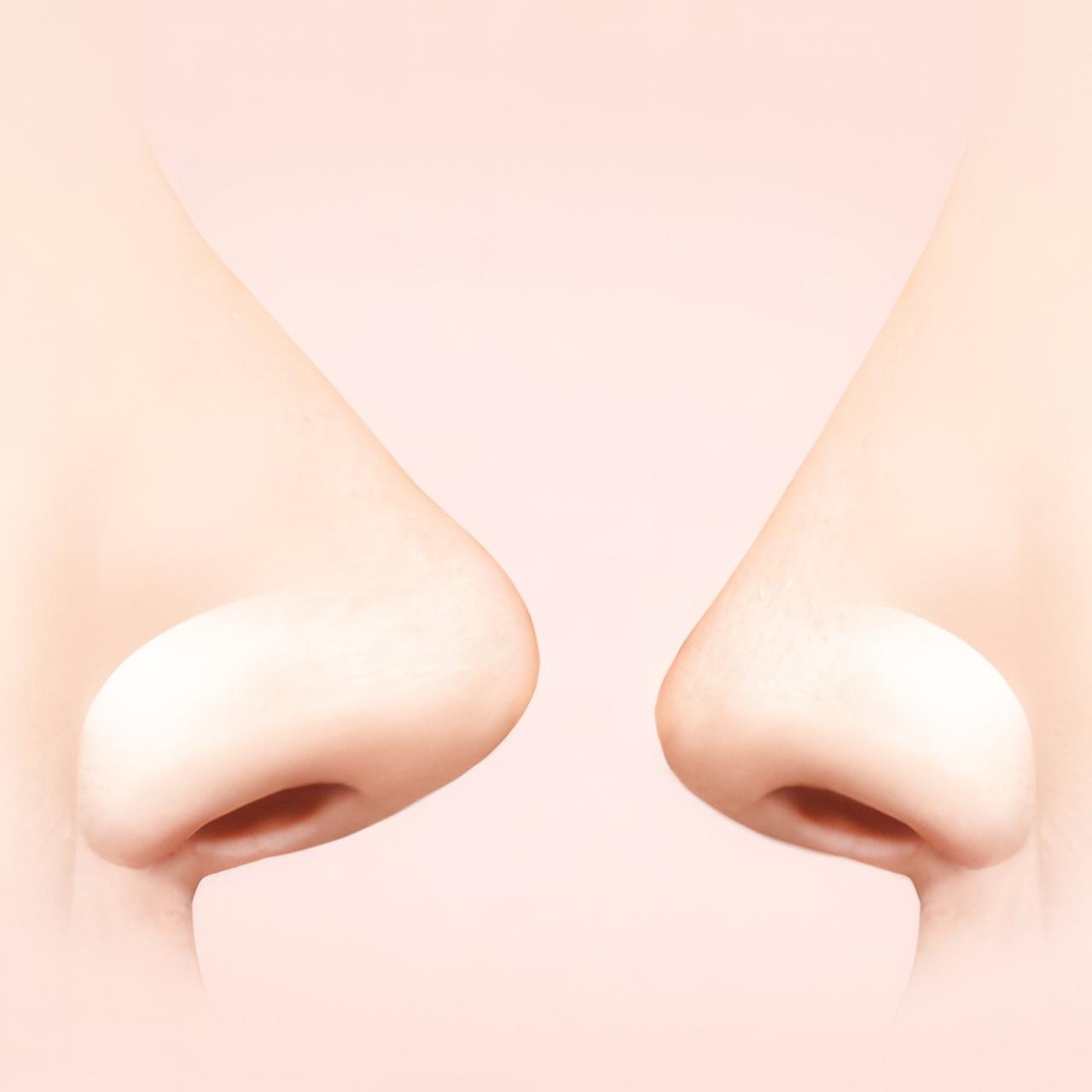
When the nasal bridge is too high
The bridge is too high overall, looking awkward and out of harmony with the face. We replace the implant with one of suitable height, and revise a high tip with septal or ear cartilage after removing the implant.
CASE 05
When the nasal tip looks wide
This happens when tip fat was not removed properly or overly wide cartilage was added. We remove the fat appropriately and graft narrower cartilage for a sleek, natural tip.
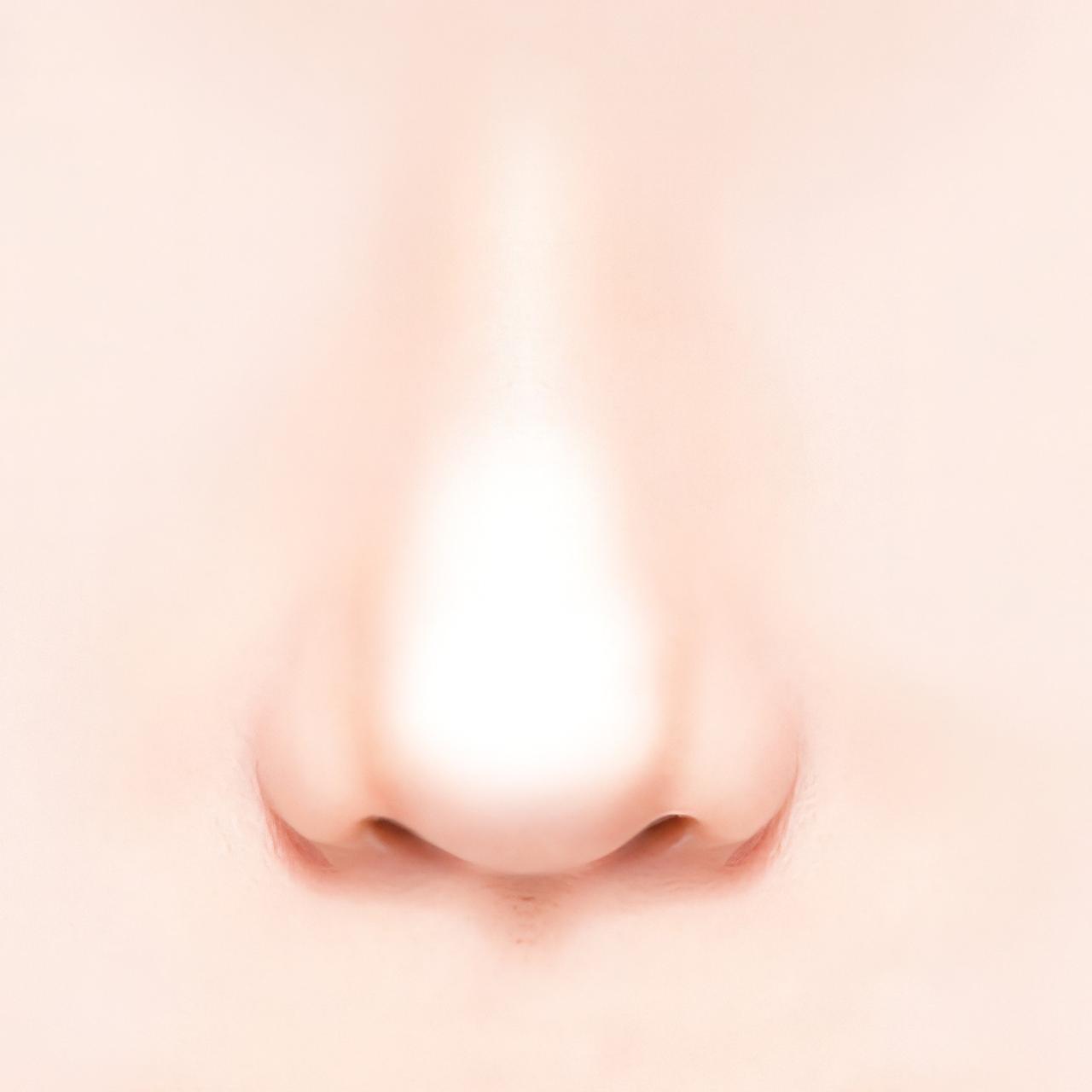
CASE 06
When contracture has made the nose turn up or become short
Contracture develops when inappropriate or excessive tip surgery leads to ongoing inflammation. Scar adhesions under the skin are fully released to bring the tip skin down, and the tip is supported with inflammation-resistant autologous tissue.
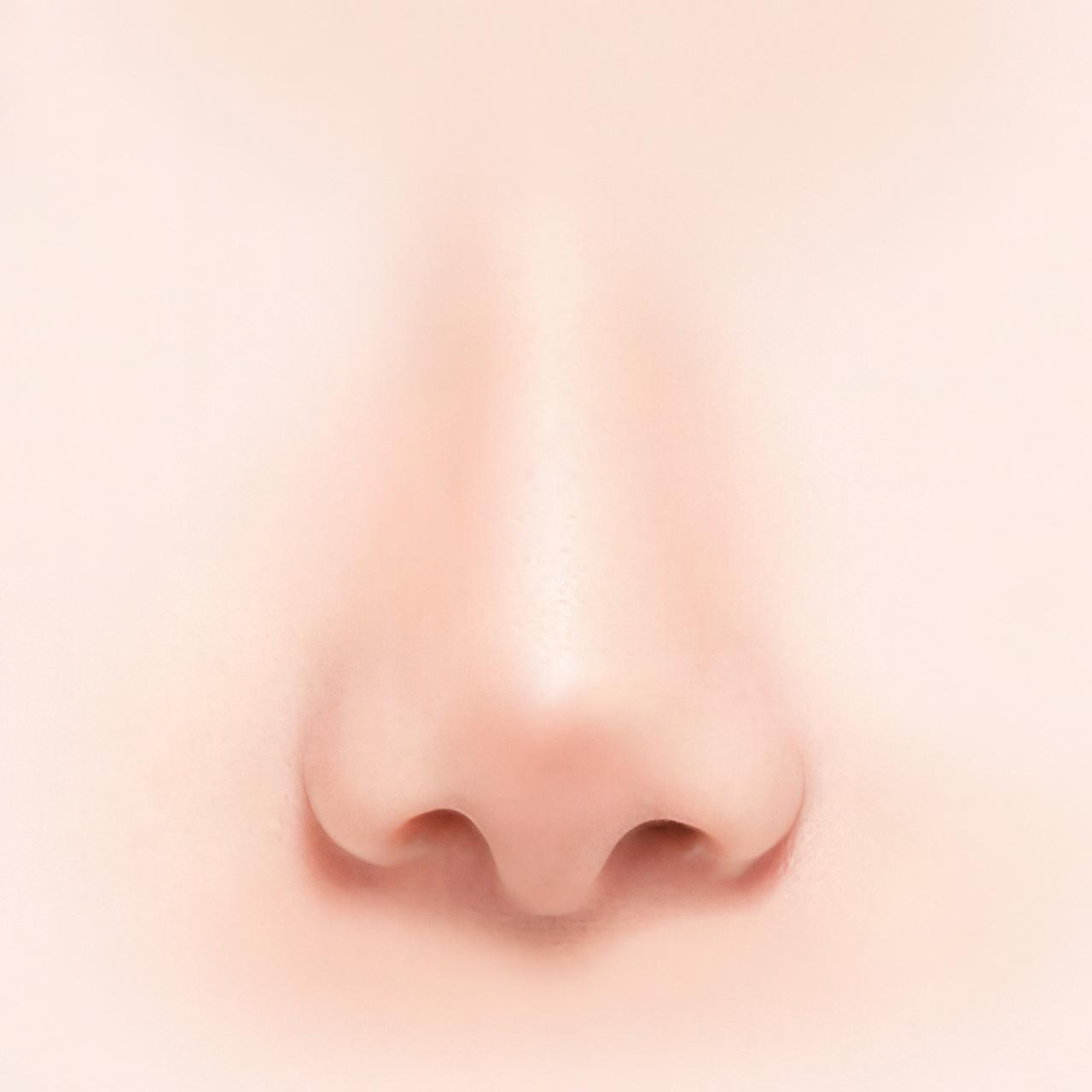

Want a natural nose line, as if reborn?
A natural nose line, healing of inflammation and scarring Resolving functional problems, surgery aimed at easing worry about further revisions
Who nose revision suits
At consultation we review implant condition, nose shape, inflammation and skin.
Visible implant
When the implant stands out after nose surgery
Nose bent after surgery
When the nose looks bent after surgery
Shifting, visible implant
When the implant moves and shows through
Redness from inflammation
When inflammation after nose surgery has made the nasal bridge or tip red
Bridge too high or narrow
When the nasal bridge is too high or has become too narrow
Short nose from contracture
When contracture has made the nose turn up or become short
Four promises we keep
Beyond beauty, we practice medicine that adds value to your life.
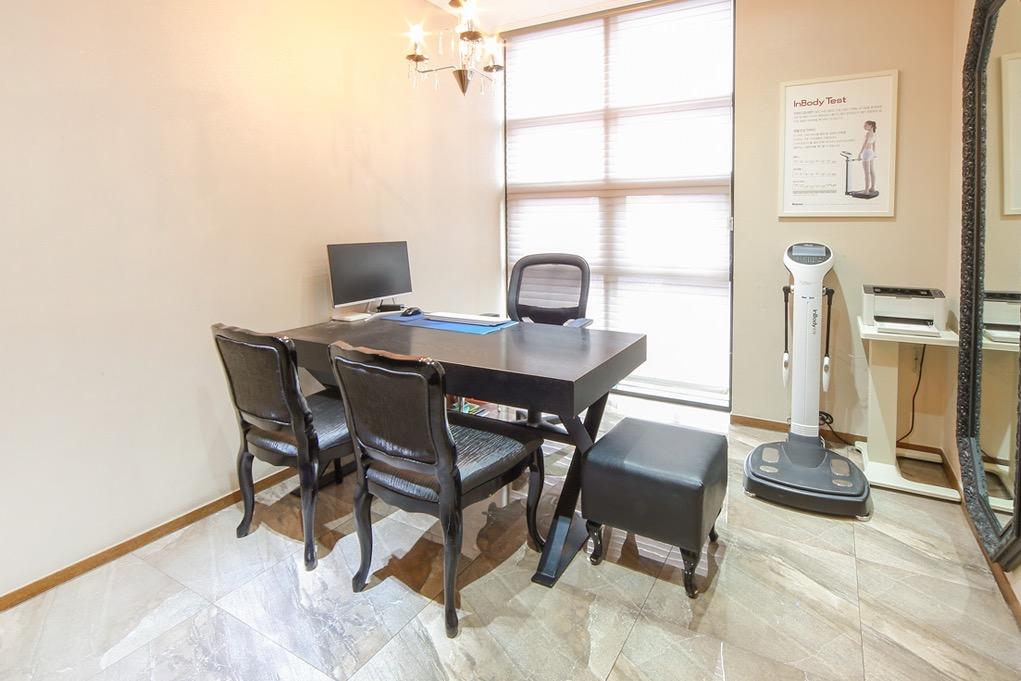
Honest consultation, principled surgery
We consult without exaggeration and operate by principle.
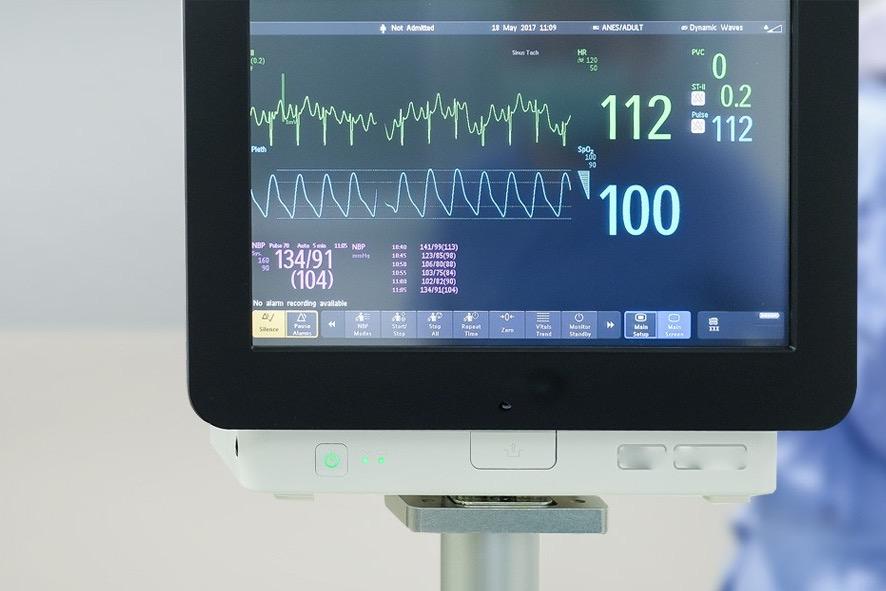
Safety from the basics
Accidents can start from small details, so we follow every safety rule carefully.

One dedicated specialist
Your specialist handles consultation, surgery and aftercare. No shadow doctors.

Results that suit you
We find the beauty that fits your features and personality.
Frequently Asked Questions
We discuss the timing of revision surgery after checking the cause of the previous surgery and the condition of the tissue.
When can I consult about nose revision?
Revision surgery is generally judged after the tissue has stabilized following the first surgery, and the timing may vary depending on circumstances such as inflammation. Your current condition is confirmed at your consultation.
What is analyzed before revision surgery?
We analyze the cause of problems from the previous surgery, the condition of the implant and the anatomical structure of the nose, then decide the method and timing.
Post-Surgery Precautions
Side effect information: Complications that can generally occur after surgery, such as bleeding, infection and inflammation, may vary in degree from person to person, so caution is needed.
Related Nose Surgery
Explore nose surgery care by area and method.







Get started with an easy inquiry or booking
Reach us by phone, messenger or online. Our chatbot is available 24 hours a day.