

Deviated Nose Correction
Deviated nose correction considers both the nose's appearance and internal structure to create a straight nose line.
Procedure information
From surgery time to recovery, see the deviated nose correction schedule at a glance.
Surgery time
About 1 hour to 1 hour 30 minutes
Anesthesia
Sedation or general anesthesia

Hospitalization
Not required

Stitch removal
After 7-14 days
Follow-up visits
3-4 visits
Recovery period
After 1-2 weeks
Ruby Deviated Nose Correction
This surgery improves both the shape of a nose bent to one side and functional problems such as nasal obstruction.

Shape improved
The look of a nose bent to one side is improved.
Function improved
Problems that can cause nasal obstruction or chronic headaches are addressed.

Specialist experience
It draws on the experience and know-how of nose surgery specialists.
What sets our deviated nose correction apart
We look at function, such as blockage, along with shape.

A straight nose line
By straightening a deviated nose, it can improve toward a straight, neat nose line and a balanced face.
Function and shape
By resolving not only appearance but also functional problems at the same time, a satisfying result can be achieved.
Harmony with the face
Through consultation, diagnosis and analysis by a nose surgery specialist team, we create the nose line that best harmonizes with each person's face.
What types of deviated nose are there?
Learn about the types of deviated nose and compare how they differ from a normal nose.
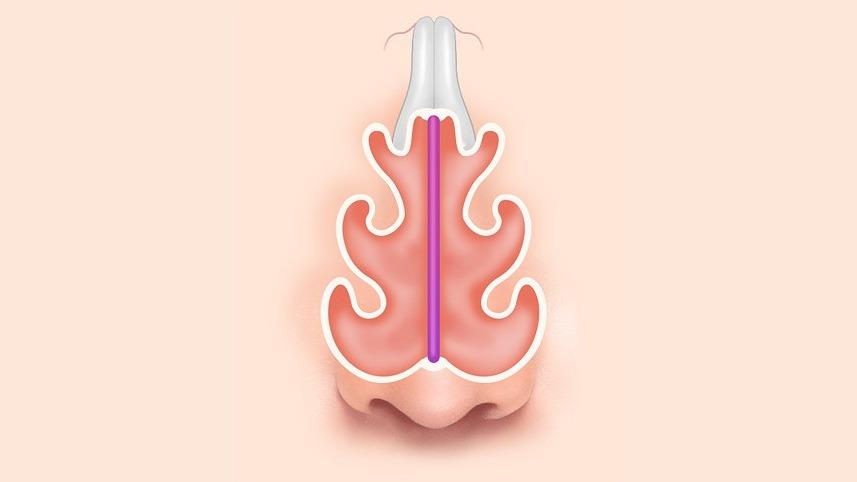
Normal septum
When the septum is straight without deviation
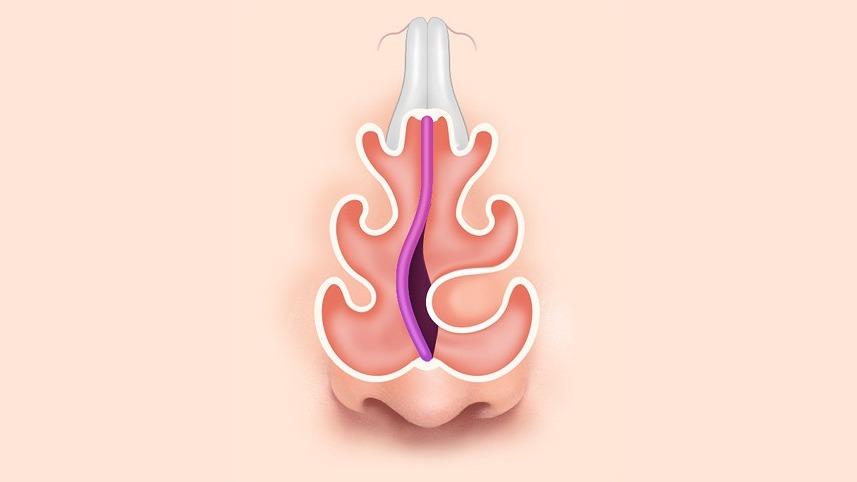
C-shaped septal deviation
When the lower part of the septum is bent in a C shape
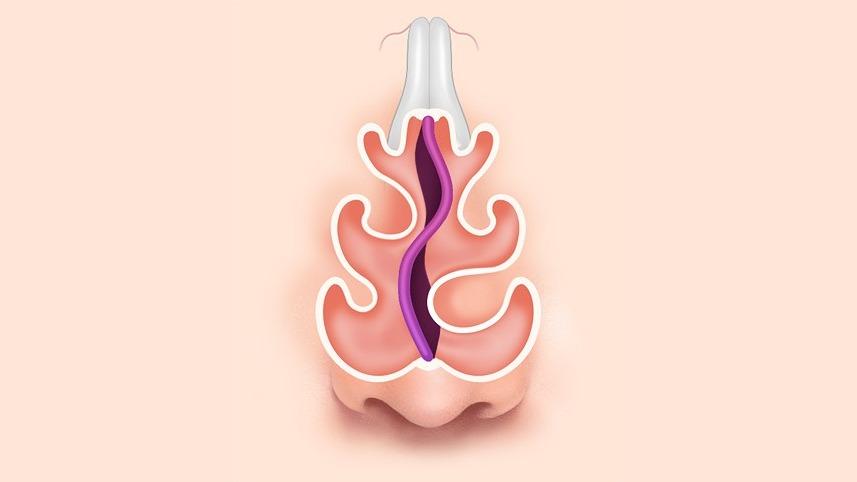
S-shaped septal deviation
When the septum is bent both up and down into an S shape
When the nasal bone is deviated
The key to deviated nose surgery is straightening the septum, since severe deviation is mostly caused by a bent septum. When the nasal bone is bent, both sides are cut and straightened, and an uneven surface is evened out with additional osteotomy.
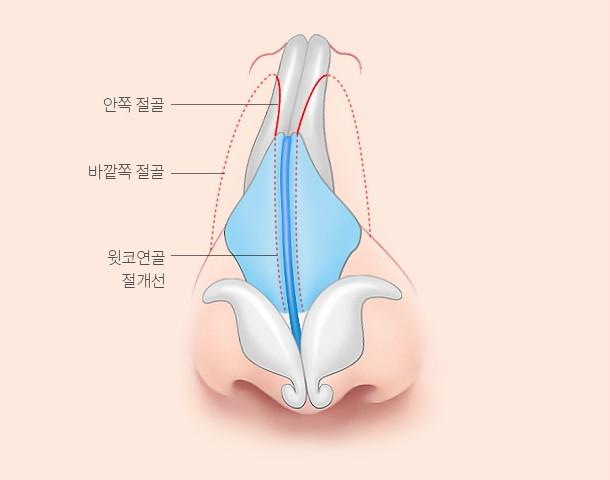
Osteotomy
The inside and outside of the nasal bone are cut at the same time and set upright
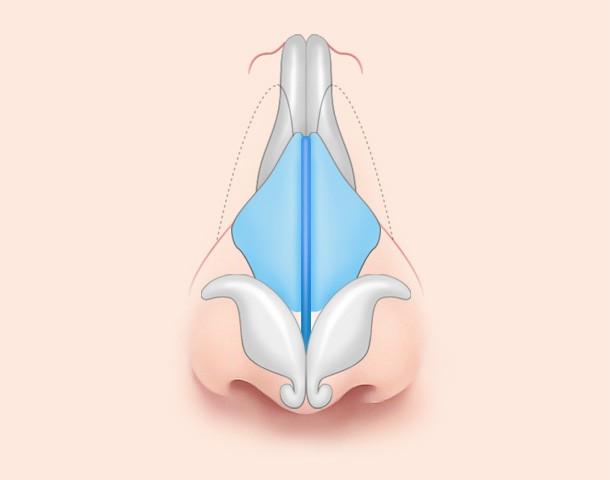
Symmetry
Symmetrical in a straight line
When the septal cartilage is deviated
Part of the bent septal cartilage is removed and straightened, and cartilage is reinforced over the bent area to correct it.
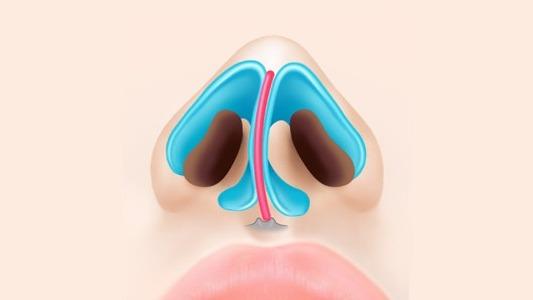
Before surgery
Deviated septum
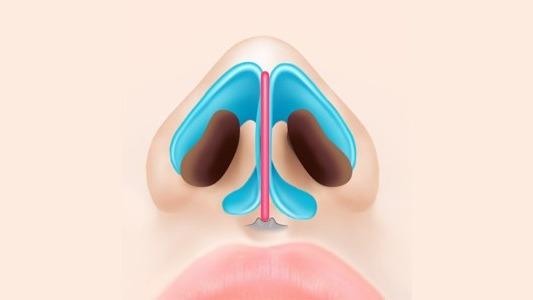
Septum correction
Correcting the deviated septum
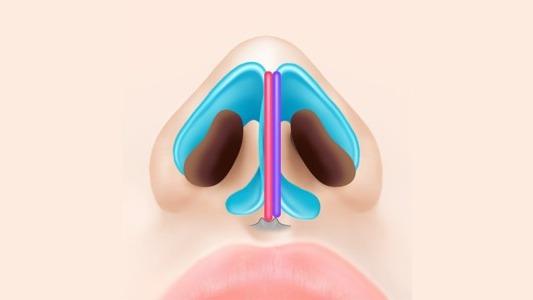
Reinforcing the cartilage support, correcting the columella
The cartilage support is reinforced and the columella is corrected
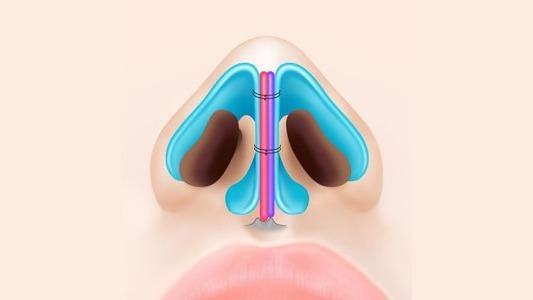
Columellar cartilage correction
Finally, the columellar cartilage is corrected
When the deviation is severe
When the deviation goes beyond a certain level, the two methods for bone and cartilage are combined.

Bone and cartilage corrected together
The bent cartilage and bone are removed, then the nasal bone is cut as a whole.
Straightening the bent side
On the side that bends inward, the bone is moved outward and set straight.
Nostrils corrected at the same time
If needed, crooked nostrils can be corrected at the same time.
Want to correct a deviated nose from the inside out?
A straight, smooth nasal bridge; a balanced face Improved nasal function; correction of nostril asymmetry possible
Who deviated nose correction suits
At consultation we look at deviation, breathing, nostril shape and implant condition.
Facial imbalance
When a deviated nose throws your facial balance off
Frequent blockage
When your nose is often blocked and nose-related conditions occur often
Crooked nostrils
When the nostrils are uneven
Bent implant
When a nose surgery implant has bent and you want it straightened
Straight nose line
When you want to improve toward a straight, neat nose line
Deviated septum
When the septum inside the nose is bent into a C or S shape
Four promises we keep
Beyond beauty, we practice medicine that adds value to your life.
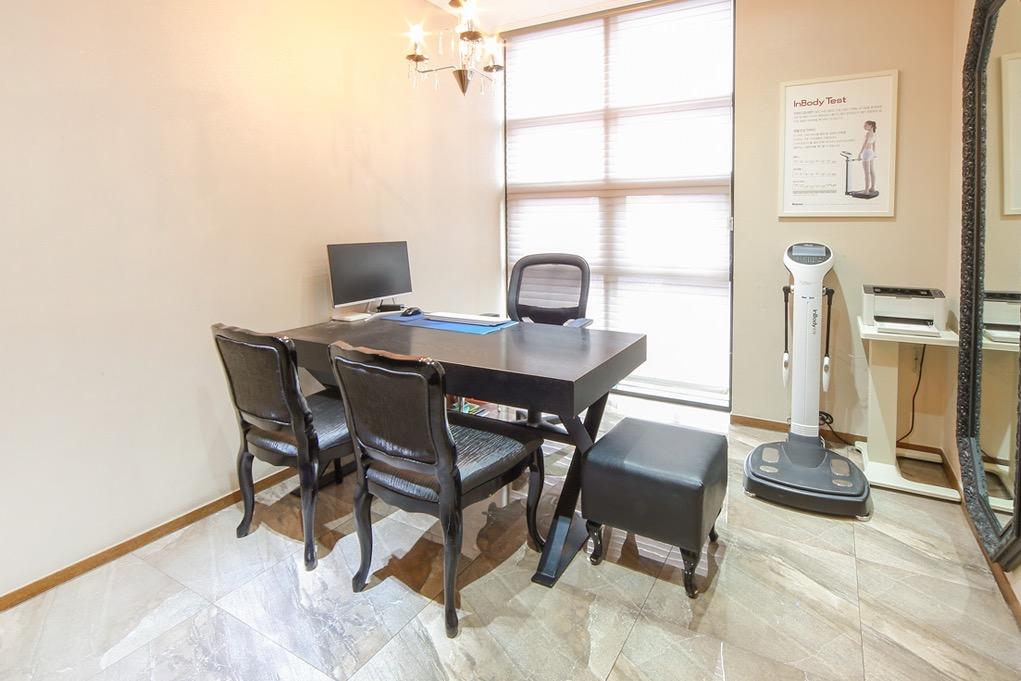
Honest consultation, principled surgery
We consult without exaggeration and operate by principle.
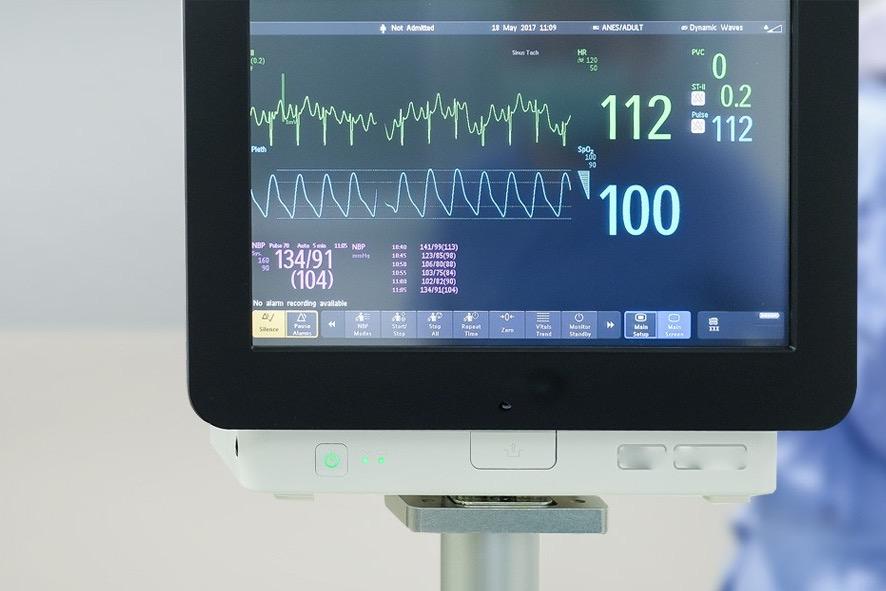
Safety from the basics
Accidents can start from small details, so we follow every safety rule carefully.

One dedicated specialist
Your specialist handles consultation, surgery and aftercare. No shadow doctors.

Results that suit you
We find the beauty that fits your features and personality.
Frequently Asked Questions
We check the position of the nasal deviation and the condition of the septum together.
What types of deviated nose are there?
There is a C shape, where the lower part of the septum bends, and an S shape, where it bends both up and down. The actual type is confirmed at your consultation.
What is checked in a consultation?
We divide the method according to the degree of deviation and the condition of the septum, and look at both appearance and nasal function.
Post-Surgery Precautions
Side effect information: Complications that can generally occur after surgery, such as bleeding, infection and inflammation, may vary in degree from person to person, so caution is needed.
Related Nose Surgery
Explore nose surgery care by area and method.







Get started with an easy inquiry or booking
Reach us by phone, messenger or online. Our chatbot is available 24 hours a day.